Flying to a faraway destination is exciting. Dealing with a big time difference is usually less glamorous. Jet lag can leave you wide awake in the middle of the night and exhausted during the day. After many long flights to Asia, the Americas and other destinations far from home, I have found a few habits that make the first days easier. They do not completely prevent jet lag, but they help me adjust without losing too much of my trip.
What is jet lag?
Jet lag happens when your internal body clock no longer matches the local time at your destination. Your body may still expect breakfast while everyone around you is preparing for bed. Traveling east is often more difficult because you need to fall asleep and wake up earlier than your body expects. Traveling west makes the day longer, which many people find easier.
Personally, I often suffer more when I return home. It does not seem to matter whether I traveled east or west. Arriving somewhere tropical and adventurous gives me energy. Returning to work and my normal routine is simply not quite as exciting. Sometimes you also have to accept that your body needs a few days. Fighting every tired moment usually makes jet lag feel more frustrating.
What does jet lag feel like?
Jet lag affects everyone differently. My usual symptoms include tiredness, difficulty falling asleep, headaches, irritability and poor concentration. It can also affect my appetite and digestion. After a long flight, I sometimes feel slightly nauseous or simply out of rhythm.
My 8 tips for dealing with jet lag
1. Adjust your rhythm before departure
A few days before leaving, I start adjusting my sleep schedule slightly toward the time at my destination. Before traveling east, I go to bed and get up earlier. Before traveling west, you can do the opposite and move your routine a little later. I do not completely change my daily life, but even an hour can make the time difference feel less sudden. It also helps to start the trip well rested instead of arriving at the airport after several late nights of packing.
2. Choose your flight time carefully
When possible, I book a night flight. Sleeping for part of the journey makes a long flight feel much shorter, especially when those hours fit reasonably well with the time at your destination. Of course, this only works when you can actually sleep on a plane. The arrival time matters too. Arriving in the morning or early afternoon gives you time to get outside and move toward the local rhythm before bedtime.
3. Switch to destination time
As soon as I board the plane, I set my watch and phone to the time at my destination. I try not to keep calculating what time it is at home. Where possible, I plan my sleep and meals around the new time zone. Sometimes I skip an airplane meal because sleeping at the right moment is more valuable than another tray of mysterious pasta. After arrival, try to eat at normal local times. Breakfast, lunch and dinner give the day some structure, even when your body is not completely convinced yet.
4. Drink water and be sensible with food and caffeine
Drink water regularly during the flight. Airplane cabins are dry, and dehydration can make the tired and heavy feeling worse. Try to limit alcohol because it affects the quality of your sleep. Also avoid too much coffee when you want to rest, although a coffee during the local daytime can help you to stay awake. I prefer lighter meals during a long flight. Eating a large, heavy meal while sitting still for hours does not make me feel any fresher.
5. Keep moving during the flight
Staying in your seat for the entire journey makes you feel even stiffer. I occasionally walk through the cabin and move my feet and legs while seated. This helps reduce the swollen-ankle feeling after a long flight. Drinking water also gives me a good reason to walk to the bathroom several times.
6. Create your own sleeping space
I always carry a small sleep kit in my hand luggage. It includes an eye mask, earplugs, extra socks and a neck pillow. A hoodie and scarf keep me warm and create a little private space around my seat. I also bring a toothbrush and toothpaste so I can freshen up before landing. Luckily, I sleep quite well on planes. On many flights, I wake up only when I smell breakfast arriving!
7. Use sleep support carefully
I used melatonin in the past. These days, I sometimes use half of a sleeping tablet because it works better for me. I may also use it at local bedtime during the first two or three nights after arrival. I do the same when I return home and need to get back into my normal rhythm. This is my personal choice and not something I automatically recommend to everyone. I only use a sleeping tablet for a short period, according to the medical instructions and when I have enough time for a full night of sleep. I never combine it with alcohol.
Sleep medication does not reset your body clock by itself. It mainly helps me sleep at the time when I need to sleep.
8. Use daylight, activities and short naps
After arrival, I try not to go straight to bed. Daylight is an important signal for your internal body clock, so I go outside when possible. I often book an easy activity for the first day. A walking tour, bike tour or gentle sightseeing gives me a reason to stay awake and helps me get into the rhythm of the destination. The activity should not be too demanding. The first day is not the time for a difficult hike or a packed schedule. A walk, a good coffee and an early dinner are often enough. Then I try to stay awake until a reasonable local bedtime.
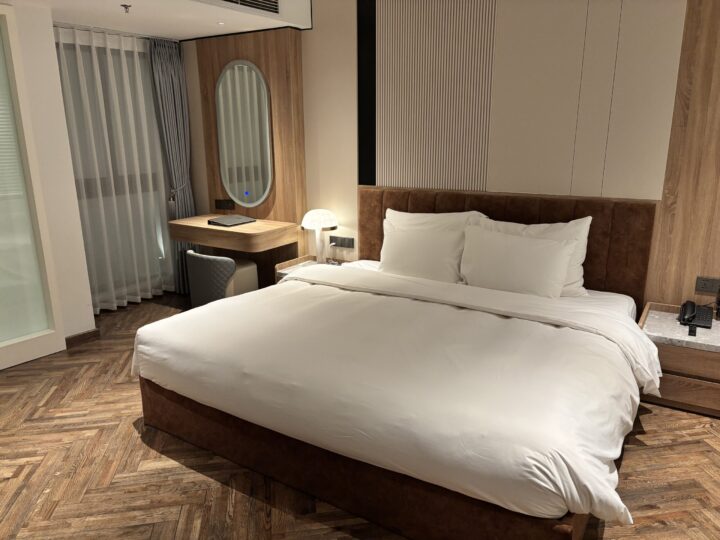
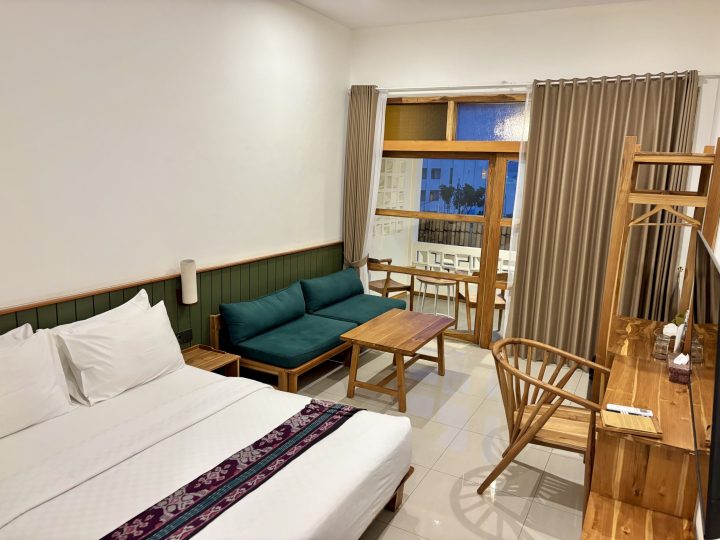
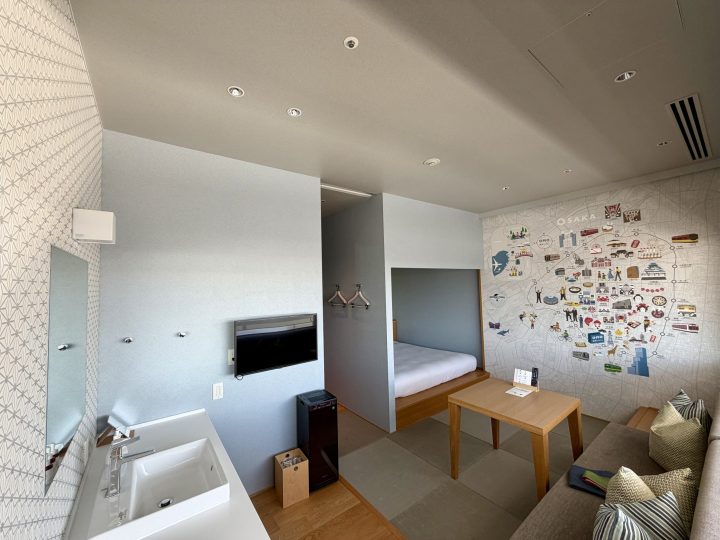
A comfortable place to sleep also makes a difference. I prefer a small boutique-style hotel with a good bed, a quiet room and proper curtains. After a long flight, a good night’s sleep is more valuable to me than choosing the cheapest accommodation.
When I really cannot keep my eyes open, a short powernap with an alarm helps. Around 20 to 30 minutes gives me some energy without turning the nap into a full afternoon of sleep.

How long does jet lag last?
There is no exact answer. It depends on the number of time zones, the direction of travel and your own sleeping rhythm. For me, the first two or three nights are usually the strangest. I may wake up far too early or suddenly feel exhausted in the afternoon. After that, my body usually starts to adjust.
Why my jet lag feels worse at home
I often find the return journey harder than the outward journey. At the start of a trip, the excitement gives me energy. I want to go outside and explore. At home, the washing, groceries and work routine are waiting, with much less adrenaline to keep me awake.
My final thoughts on jet lag
Jet lag can be uncomfortable, but I still see it as a luxury problem. Having jet lag means I was lucky enough to travel somewhere far away. I know the first days may feel strange, but they pass. A little tiredness is not going to keep me inside when a new destination is waiting outside the hotel door!! Let me know your thoughts on this. blog via Instagram.
Planning your next long-haul adventure? Read my 10 solo travel tips for women and my solo female travel safety tips before you go.