Sardinia may look like an easy island to plan. Book a flight, rent a car and follow the coast. In reality, a few practical choices can make the trip much easier. Distances sometimes take longer than expected. Restaurant hours matter, and small B&Bs may want to know exactly when you will arrive. Choosing different arrival and departure airports can also save you from driving all the way back to your starting point. I traveled around Sardinia for two weeks, starting in Olbia and ending in Cagliari. During that trip, I drove 1,521 kilometers, stayed in several types of accommodation and booked part of the route while traveling. These Sardinia travel tips are based on that experience. They will help you prepare for your trip while leaving enough room for spontaneous stops along the way.
Is Sardinia easy to travel around?
Sardinia is part of Italy and the European Union. EU citizens can travel with a valid passport or national identity card. Travelers from outside the EU should check the current entry requirements for Italy before booking. The euro is used throughout the island. Cards are widely accepted in hotels, restaurants and larger shops, but it is still useful to carry some cash. During my trip, several smaller B&Bs preferred cash payment. Italian is spoken everywhere, and you may also hear Sardinian in smaller towns and inland areas. English was not always enough, but with a few Italian words, some Spanish and Google Translate, I managed without serious problems.

Sardinia also felt safe to me as a woman traveling independently. I used normal travel awareness and avoided leaving luggage visible in the rental car.
Mobile Data and eSIM in Sardinia
Travelers with a mobile subscription from an EU or EEA country can normally use calls, messages and data under EU roaming rules. Check your own provider’s limits before leaving, especially if you plan to use your phone for navigation every day. If you are traveling from outside the EU, or simply want extra data during your trip, an eSIM can be a convenient option. I use Airalo, which allows you to install a digital SIM before you travel and get online without swapping your physical SIM card. Mobile internet is especially useful in Sardinia for navigation, checking opening hours, contacting accommodations and making last-minute bookings.
Need an eSIM for Sardinia? Airalo offers Italy and Europe eSIMs, and new users can currently save 15% on their first eSIM with code NEWTOAIRALO15.

Download an offline map in MAPS.ME or Google Maps before driving into the mountains or along quieter coastal roads. Reception can be less reliable once you leave the larger towns, and an offline map also saves data.
What is the best time to visit Sardinia?
I traveled in September, just after the busiest summer period. Temperatures were around 28°C during much of my trip, and I rarely needed a sweater in the evening. September worked very well for a Sardinia road trip. The sea was still warm, the weather was good and the island was becoming quieter. Roads, beaches and accommodations generally felt less crowded than they would in July or August.
May, June, September and early October are good months to consider when you want warm weather without the busiest summer crowds. Spring is also suitable for walking and exploring inland areas, although the sea may still feel cool. July and August are the hottest and busiest months. Book flights, rental cars and accommodations well in advance when you can only travel during this period. Later in October, some seasonal hotels, restaurants and boat tours may start to close. The weather can also vary between the coast and the mountains.

How to get to Sardinia
Sardinia has three main airports:
- Olbia Airport in Northeast Sardinia
- Alghero Airport in Northwest Sardinia
- Cagliari Airport in South Sardinia
Olbia and Cagliari work particularly well for an open-jaw road trip. You can fly into Olbia, travel around the island and fly home from Cagliari without repeating the complete route. I booked two separate flights instead of a return ticket from the same airport. At the time, this was cheaper and saved me from driving back to Olbia at the end of the trip. You can also travel to Sardinia by ferry. The main ports include Olbia, Golfo Aranci, Porto Torres, Arbatax and Cagliari. Connections depend on the season and your departure point. A ferry can be useful when you want to bring your own car or combine Sardinia with mainland Italy, Corsica, France or Spain.
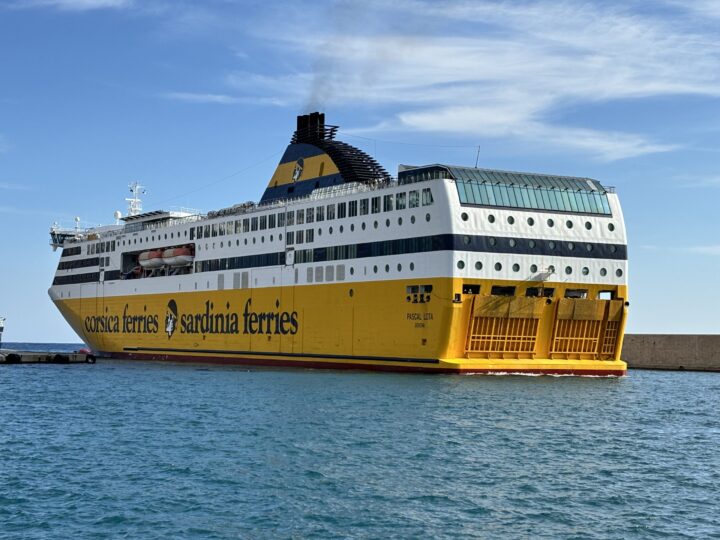
Check ferry routes and prices: compare ferries to Sardinia.
Hiring a car in Olbia
A rental car is the easiest option when you want to follow a road trip route and reach different beaches, villages and rural accommodations. Compare rental prices at all three airports. The smallest car is not automatically the cheapest, so check several categories instead of searching only for a Fiat 500 or another small Italian car.
I originally booked a Mini One. The rental company upgraded it to a brand-new Mini Cabrio, which made driving around Sardinia considerably more fun. Driving 1,521 kilometers in two weeks sounds slightly excessive on paper, but it did not feel that way. The open roof may have helped. When collecting the car in Olbia and returning it in Cagliari, check whether a one-way fee applies. I paid approximately €60 at the time, but current fees depend on the rental company, dates and car category. Check the insurance excess, deposit, fuel policy, mileage limits and airport opening hours before booking. Also check the rules when you plan to take the car on a ferry.

Compare rental cars: check car hire at Olbia Airport.
Take photos and a short video of the rental car before leaving the parking area. Include the wheels, windows, roof and fuel level.
Driving in Sardinia
The roads in Sardinia vary considerably. Main roads between larger towns can be fast and easy, while mountain roads and coastal routes may be narrow, winding and slower than the distance suggests. Do not calculate a driving day using kilometers alone. A route that looks short on the map can take much longer once you add bends, viewpoints, villages and unexpected beach stops. I often chose the slower road instead of the fastest one. This took me through mountains, along quieter parts of the coast and past small towns I would otherwise have missed. Fill up before driving into remote areas and watch for animals on rural roads. Parking near popular beaches can be limited in summer, and some beaches may use paid parking or visitor limits during the busiest period.

Leave some space in every driving day. Sardinia has a talent for adding another viewpoint, beach or coffee stop to your plans.
Can you visit Sardinia without a car?
It is possible to visit Sardinia without renting a car. Trains and buses connect many larger towns, including Cagliari, Oristano, Sassari and Olbia. A car becomes more useful when you want to follow a multi-stop route, stay in agriturismi or visit beaches away from the main transport lines. For a car-free trip, choose one or two well-connected bases rather than trying to follow a complete island road trip. Cagliari, Alghero and Olbia are easier starting points than a remote countryside stay.

My Sardinia road trip from Olbia to Cagliari
This blog focuses on practical planning. For the complete itinerary, follow my two- to three-week route from Northeast Sardinia to Cagliari. The route includes Costa Smeralda, the Golfo di Orosei, Alghero, the Sinis Peninsula, Costa Verde, Costa del Sud and Cagliari.
Read more: Sardinia by Car: A 2–3 Week Route from Olbia to Cagliari
Where to stay in Sardinia
Sardinia has a wide range of accommodations. You can stay in agriturismi, small B&Bs, apartments, boutique hotels, beach resorts and traditional town hotels. I stayed in almost every type except a large resort. Smaller B&Bs and agriturismi often felt more personal, but they also required a little more communication. Hosts regularly contacted me through WhatsApp to ask about my arrival time. That was not always easy to estimate during a road trip, especially when another beach or viewpoint appeared along the way.

I booked the first part of the trip in advance. Later, I wanted more freedom and booked several accommodations on the same day or shortly before arriving. That worked in September, but I would not rely on this approach in July or August. For a road trip, check whether parking is available, the latest check-in time and how far the accommodation is from restaurants. The regional blogs linked from my road trip guide include the places where I stayed and what I thought of them.
Find accommodation: check places to stay in Sardinia.
Money and costs in Sardinia
Sardinia can be expensive in the most famous coastal areas, especially during July and August. Prices are often more manageable in inland towns and outside the busiest season. Coffee and gelato were still affordable pleasures during my trip. Accommodation and car rental made up a much larger part of the budget. Keep some cash for smaller B&Bs, markets, parking machines and rural cafés. Do not assume every roadside stop accepts cards.
The final cost of a Sardinia road trip depends heavily on the season. Flights, rental cars and beach accommodation can change price much more than a plate of pasta ever will.

Eating in Sardinia: timing matters
The food in Sardinia is one of the best parts of the trip. You will find seafood, meat, pasta, local cheeses, olives, wine and produce from the island. Breakfast is often simple. A cappuccino with a croissant at the bar is normal, although hotels usually offer a larger breakfast with plenty of sweet options. Lunch and dinner hours require more planning. During my trip, many restaurant kitchens closed after lunch and did not reopen until the evening. More than once, I arrived too late for lunch and far too early for dinner. Carry water, fruit or a few snacks in the car, particularly on longer driving days. Roadside fruit stalls can be useful, but they are not guaranteed to appear exactly when hunger does.

Do not wait until late afternoon to look for lunch. Sardinian restaurant hours and spontaneous road-trip timing are not always natural friends.
Try an aperitivo before dinner, with a drink and small snacks such as cheese, olives or cured meat. Pecorino is found across the island, and pane carasau is the thin, crisp Sardinian bread often served at the table. Seafood dishes included octopus, pasta with clams and mussels. Seadas is one of the best-known Sardinian desserts: fried pastry filled with cheese and usually served with honey. I tried it, but still preferred tiramisu.

Booking boat trips in Sardinia
Boat trips are one of the easiest ways to see coastlines that cannot be reached comfortably by car. The La Maddalena Archipelago and the Golfo di Orosei are the two most obvious places to include one. You can choose between larger tour boats, smaller inflatable boats and private trips. Smaller boats can feel more personal, while larger boats usually offer more space and facilities. Self-drive boat rental is available in some places. When you have little boating experience, a guided trip is normally the more relaxed option. The skipper knows the route, local conditions and the best swimming stops.

Book ahead in summer. Outside the main season, check whether trips are operating and whether the weather allows the planned route.
Would I plan my Sardinia trip differently?
I would still arrive in Olbia, rent a car and finish in Cagliari. That open-jaw route saved time and allowed me to see very different parts of the island. I would also continue booking a few important stays in advance while leaving some flexibility later in the trip. That balance worked well for my way of traveling. The only change would be to allow slightly more time in the places I liked most. Sardinia is large enough for an active road trip, but it also rewards slower days. Start with a clear route, book the important parts and leave room for one or two changes along the way.

Buon viaggio! Are you looking for a route suggestion for Sardina?