Cusco is much more than the place where you catch a train to Machu Picchu. Give the city at least two or three days and you can explore Inca history, colonial streets, local markets, good food and viewpoints without rushing. The atmosphere felt touristy, but still comfortable and relaxed. The city sits around 3,400 meters above sea level, so the altitude is something to take seriously. If you arrive from Lima or another lower place, keep your first day easy and save the steep walks for later. Cusco has been a UNESCO World Heritage Site since 1983, and once you start walking around, you quickly understand why.
Give your body some time to adjust to the altitude, especially when arriving from sea level. A quiet first day in Cusco can make the next days much more comfortable.

Why Cusco is worth visiting beyond Machu Picchu
Cusco was the capital of the Inca Empire, and you can still see that history throughout the city. Inca stonework forms the base of Spanish churches, narrow streets climb away from the main squares and many buildings show the mix of two very different periods. It is one of those places where history is not hidden inside a museum but simply part of the streets around you. It is often said that the original Inca city was built in the shape of a puma, a sacred animal in Inca culture. Quechua was the language of the Incas and the sun played an important role in their religion. You do not need to know all the history before you arrive, but understanding a little of it makes walking around Cusco much more interesting.
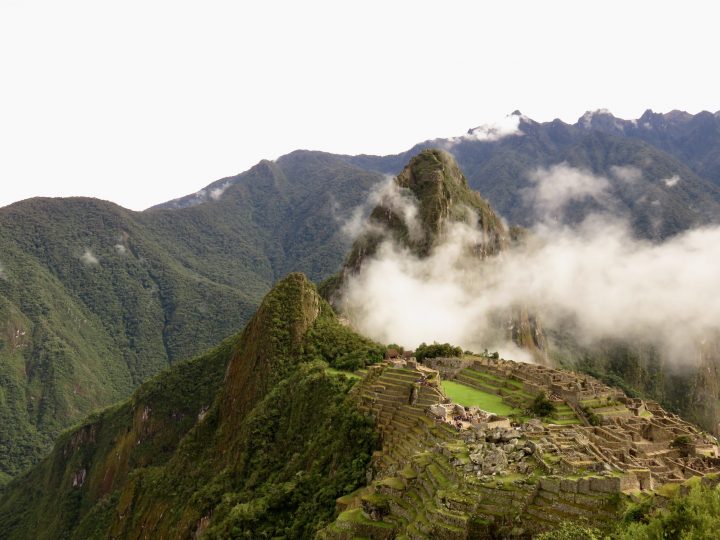
Cusco was the start and end point of this part of my Peru trip. From here the route continued toward Ollantaytambo and Machu Picchu, followed by the Sacred Valley before returning to Cusco via Pisac. That route worked well and avoided unnecessary backtracking.
My best things to do in Cusco Peru
Explore Plaza de Armas
Start at Plaza de Armas, with the Cathedral on one side and Iglesia de la Compañía de Jesús on the other. The Spanish built the church on the foundations of an Inca palace, which is one of those details that makes Cusco so interesting. The square is busy, but it is also a good place to get your bearings before walking into the smaller streets around the center.

Close by is Plaza Regocijo, a smaller square with a more relaxed atmosphere. Around this part of the city you can also visit ChocoMuseo if you want to learn more about cacao and chocolate. It makes an easy stop between churches, shops and coffee.

One of my favorite walks went uphill from the center in search of a free viewpoint over Cusco. Take your time on the climb because you really notice the altitude. Once you reach the higher streets, the view over the red roofs, Plaza de Armas and the mountains around Cusco is worth the effort.

Visit Qorikancha and the museums
Qorikancha is one of the places where the mix of Inca and Spanish history becomes very clear. The old Inca stonework combined with later colonial architecture shows how much the city changed after the Spanish arrived. You do not need hours here to get a good impression of this part of Cusco’s history.

Museo Histórico Regional in Casa Garcilaso de la Vega was another interesting stop, especially because the history of the Inca culture is explained in chronological order. The later Christian section interested me less, but that is personal. Take the parts that interest you instead of trying to absorb every room in every museum. If you plan to visit several archaeological sites and museums in Cusco and the Sacred Valley, look into the Boleto Turístico del Cusco. Different ticket options cover different combinations of places, so it makes sense to check your complete route before buying one. This is especially useful when Sacred Valley sites are already part of your itinerary.
Check the Boleto Turístico before buying separate entrance tickets. Planning it around both Cusco and the Sacred Valley can be the smarter option.
Shop in Cusco
After enough churches and museums, make some time for the markets. Plaza San Francisco and the streets around it are good places to browse local products and souvenirs. Look at the unfamiliar fruits, practice some Spanish with the vendors and search for alpaca scarves, blankets, hats and ponchos. Avenida El Sol feels more modern, with shops, banks and restaurants. It is also an easy street to wander along when you need a break from archaeological sites and churches. A French style bakery and coffee place here became a repeat stop during my stay, mainly because of the chocolate cake. Sometimes sightseeing can wait.

Do your Peruvian souvenir shopping in Cusco instead of leaving everything until Lima. I found much more choice here.
Book a massage
A massage may not be the first activity you expect in a Cusco travel guide, but it is very welcome after several active days. There are many small massage places around the historic center, and I went twice for an Inca massage with hot stones. It was an easy way to add a little comfort between all the walking and sightseeing. After exploring Cusco and later hiking toward the Sun Gate at Machu Picchu, this was exactly what my legs needed. A Peru trip does not have to be hiking, climbing and sightseeing every hour of the day. Take a slower afternoon when your body tells you to.
Support a local project
Traveling also gives you a chance to spend some of your money in places that give something back to the local community. During my stay I learned more about Niños Unidos Peruanos, a foundation connected to Niños Hotel that supports children and families in and around Cusco. That added another layer to choosing where to stay and eat. Staying or eating at Niños Hotel is therefore more than simply booking a room or restaurant. Part of what you spend helps support the work of the foundation, so you can give something back while still choosing a comfortable place for yourself. For me that made the stay more meaningful without turning it into a charity visit.

Things to do from Cusco
Cusco is a good base for exploring more of the region, but you do not have to return here after every stop. My route went from Cusco to Ollantaytambo and Machu Picchu, then continued through the Sacred Valley before returning via Pisac. It was a logical route and saved unnecessary travel time.
Continue into the Sacred Valley from Ollantaytambo after Machu Picchu if it fits your itinerary. There is no need to automatically return to Cusco first.
Rainbow Mountain, or Vinicunca, is another popular full day trip from Cusco. I did not visit it myself, so this is not one of my tested experiences, but it can be an option if you have an extra day and are already well acclimatized. The viewpoint is above 5,000 meters, so take the altitude seriously when deciding whether this trip fits your itinerary.
Where to stay in Cusco
Niños Hotel Meloc was my choice and I would choose it again. The location made it easy to walk into the historic center, while the patio filled with flowers and plants gave the hotel a calm feeling after a busy day in Cusco. It had the personal atmosphere I usually prefer over a large chain hotel.

The rooms were comfortable and the restaurant was useful for breakfast or lunch when I did not feel like searching for another place. Knowing that your stay also contributes to a local good cause makes it an especially nice option. You can stay here for the location and atmosphere while at the same time supporting the foundation behind it.

If you prefer another type of accommodation, you can search for hotels in Cusco through Booking.com. For travelers who prefer to compare accommodation and flights in one place, Expedia is another option. Compare location as well as price because staying within walking distance of the historic center makes exploring Cusco much easier.
Where to eat in Cusco
The Niños restaurant became a regular stop during my stay, and you can eat here without staying at the hotel. The Andean breakfast with quinoa, yogurt, banana, apple and almonds was a favorite and a nice change from another breakfast with bread and eggs. Cusco has enough cafés and restaurants to mix local food with familiar options during a longer trip.
Then there is cuy, the Peruvian guinea pig. For many Europeans and Americans this sounds strange because we know guinea pigs mainly as pets, but in the Andes they have been raised as food for centuries. Cuy is part of the local food culture and is often served for celebrations and special occasions. Cusco seemed like the right place to try it, so I ordered cuy at Cicciolina. Mine came as part of a surf and turf dish with shrimp and risotto, which was probably an easier introduction than having a whole roasted guinea pig on the plate. The taste was better than expected, although it did not become my new favorite Peruvian dish.

Trying cuy was more about experiencing a traditional Andean dish than finding a new favorite meal. That is part of traveling for me; sometimes you try something once simply because it belongs to the place you are visiting. And after several weeks of local food, a pizza or a good piece of chocolate cake can be just as welcome.
How to get to Cusco and travel onward
I arrived in Cusco by Cruz del Sur bus from Arequipa and later flew from Cusco to Lima. Between Cusco, Machu Picchu and the Sacred Valley, colectivos and trains worked well for my route. You do not need complicated transport planning for every part of this region. For long distance buses and other transport connections, compare routes through 12Go. If you plan to fly between Cusco and Lima or combine several domestic flights, check Expedia as well. Having a few options side by side makes it easier to decide whether time or price matters more for that part of your trip.

You do not need a car for the historic center because most places are walkable. If Cusco is part of a wider Peru road trip, you can compare rental cars through Discover Cars. For my Cusco, Machu Picchu and Sacred Valley route, public transport worked perfectly well.
How many days do you need in Cusco?
Keep two to three full days for Cusco itself, separate from Machu Picchu and the Sacred Valley. That gives you time to acclimatize, explore the historic center, visit a museum, shop at a market and enjoy the city without filling every hour. It also leaves room for that coffee, massage or chocolate cake when you feel like slowing down. If you arrive directly from sea level, adding a quiet first day can make the rest of your stay much more comfortable. Rather than trying to fit five attractions into your arrival day, walk around the center and see how your body responds to the altitude. You can always do more the next morning.

FAQs about things to do in Cusco Peru
What are the best things to do in Cusco Peru?
Start with Plaza de Armas, walk through the historic center, visit Qorikancha and a museum, browse a local market and find a viewpoint over the city. Add good food and enough time to simply wander around, because Cusco is more enjoyable when you do not treat every hour as another attraction to tick off.
What to do in Cusco besides Machu Picchu?
Explore the old streets, learn about Inca history, visit the markets and try some local food. You can also book a massage, spend time around Plaza de Armas or use Cusco as the starting point for the Sacred Valley and Rainbow Mountain.

Should you visit Cusco before or after Machu Picchu?
My route started with Cusco, followed by Ollantaytambo and Machu Picchu, and then continued through the Sacred Valley before returning to Cusco. This worked well because it avoided traveling back to Cusco immediately after Machu Picchu only to leave again for the Sacred Valley.
Let Me Inspire You takeaways
The best things to do in Cusco Peru are not only the famous attractions. Give yourself time to walk, look around, visit a market and understand some of the Inca history before moving on. Cusco is a city where slowing the pace often makes the experience better. The altitude naturally forces you to take things a little easier, which worked well for me. Stay a few days, enjoy the city itself and then continue deeper into this part of Peru. Cusco deserves to be part of the trip, not just the place you pass through on your way to Machu Picchu.

Continue your Peru trip
Planning the next part of your journey? Read my Machu Picchu guide for the next famous stop and continue with my Sacred Valley guide for Ollantaytambo, Urubamba, Pisac and more. Together they fit naturally with a few days in Cusco.