If you are planning 4 days in Kyoto, this guide covers the best things to see in Kyoto without making the city feel rushed. Think famous temples, old lanes, good coffee, matcha stops, riverside walks, and neighborhoods that all feel different. Kyoto felt very different from Osaka right away. The city is greener, calmer, and more relaxed, with a nice mix of history, good food, and beautiful streets. Kyoto can easily become a checklist city, but I liked it most when I gave myself time between the big sights. A coffee stop, a quiet river walk, or a slower dinner often made the day feel much better.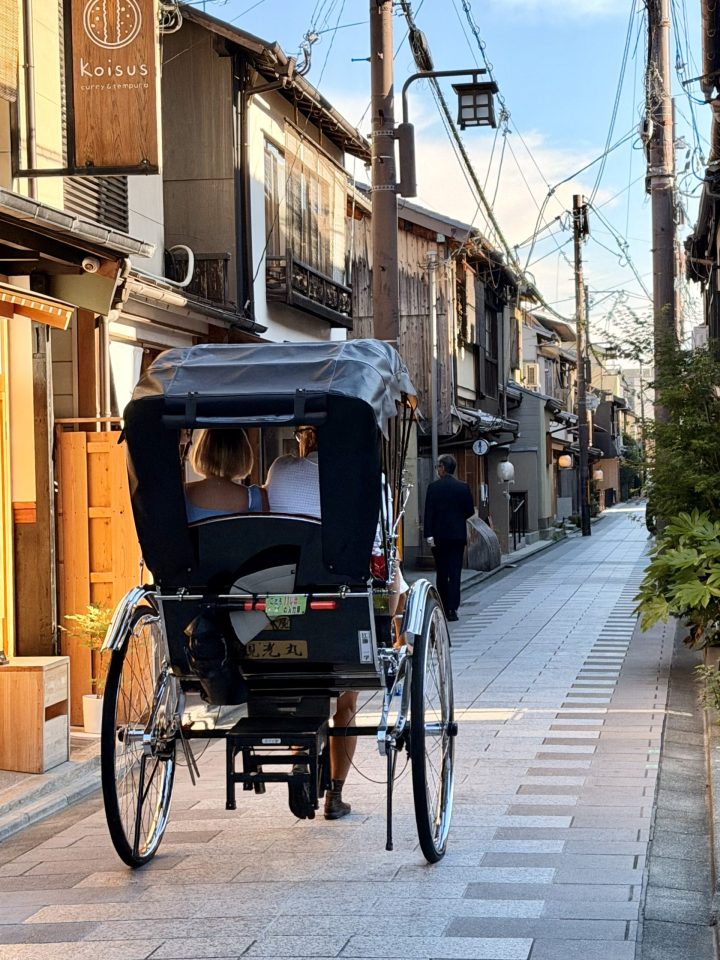
Coming from Osaka to Kyoto is easy by train, and there are several options depending on your budget and where your hotel is located. I would simply check Google Maps and choose the connection that works best for your day. For train routes between Osaka and Kyoto, I mostly used Google Maps on the day itself. If you prefer to compare routes or book transport in advance, 12Go is useful for planning your Japan route.
Where to Stay in Kyoto
I stayed at Hotel Resol Trinity Kyoto and thought it was a very good base for 4 nights. Kyoto hotel prices can change a lot by season, especially around cherry blossoms and autumn colors. I paid around 110 EUR per night, which felt fair for a comfortable hotel with a good location and a public bath. The room was small, which is not unusual in Japan, but it was clean and comfortable. I did not mind the size at all because I was outside most of the day anyway. The onsen was a real plus after long walking days, and the location worked so well for me because it was close to Kyoto City Hall, in a lively area with many good restaurants nearby, but still outside the busiest tourist crowds.
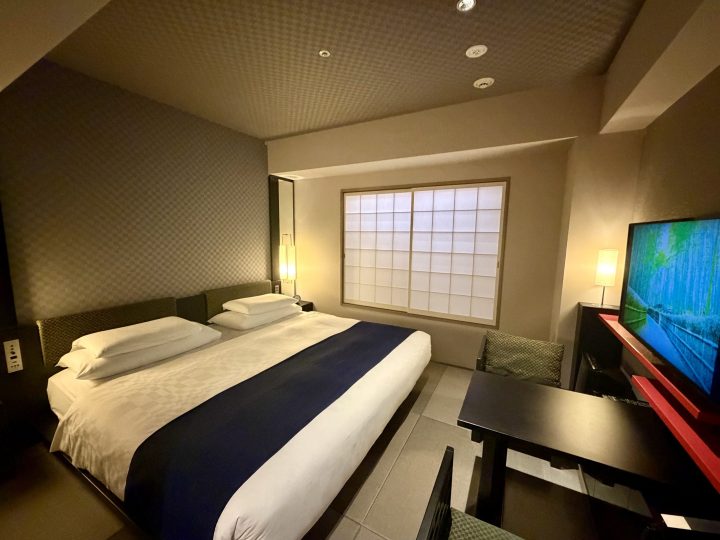
What I also liked was that the hotel offered a little more than just a place to sleep. On certain evenings, a geisha comes by for a dance and cultural performance, there is also a short introduction to the tea ceremony, and on Fridays they offer free yoga. It made the stay feel a little more local and thoughtful.
If you walk a lot, book a hotel with an onsen or public bath. Your feet will thank you at the end of the day.
I booked Hotel Resol Trinity Kyoto because I wanted a comfortable base in a central but not too chaotic area. You can check current rates and availability for Kyoto hotels on Booking.
Day 1 in Kyoto: Imperial Palace, the Kamo River, and Pontocho Alley
Kyoto Imperial Palace and the river
I started with a walk to the Kyoto Imperial Palace area. The palace itself was closed when I was there, but the grounds around it were still worth visiting for free! For centuries, this was where the emperor lived before the capital moved to Tokyo, and you still feel that old Kyoto history here in the wide paths, the walls, and the calm gardens around the palace area.
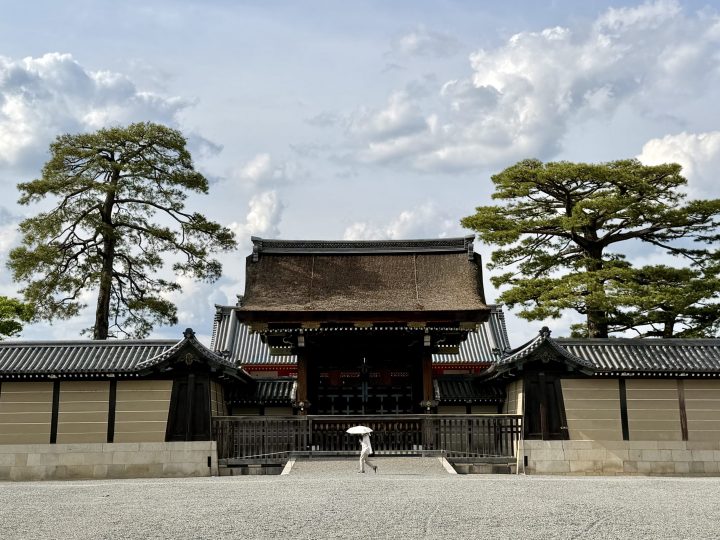
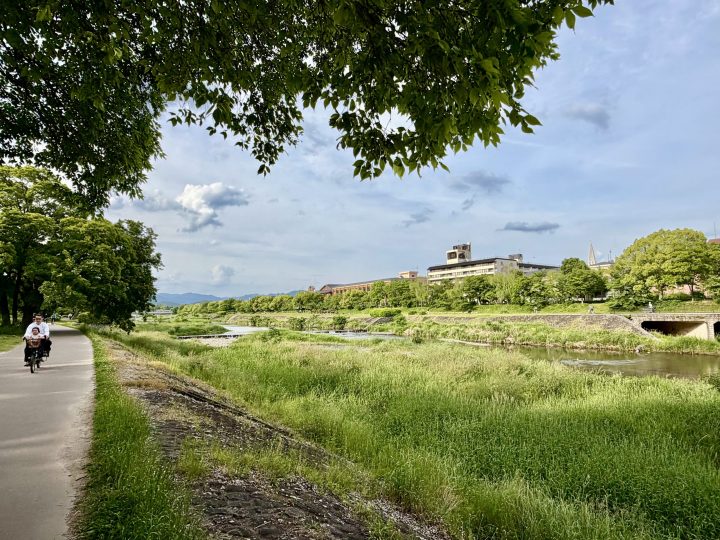
Because it was warm, I was very happy with the shady walk around the grounds. After that I crossed toward the Kamogawa or Kamo-river, and this became one of those simple Kyoto moments I really liked. The riverbank was full of people walking, sitting, running, or just relaxing, and with the mountains in the background it gave the city a very open feeling.
Pontocho Alley
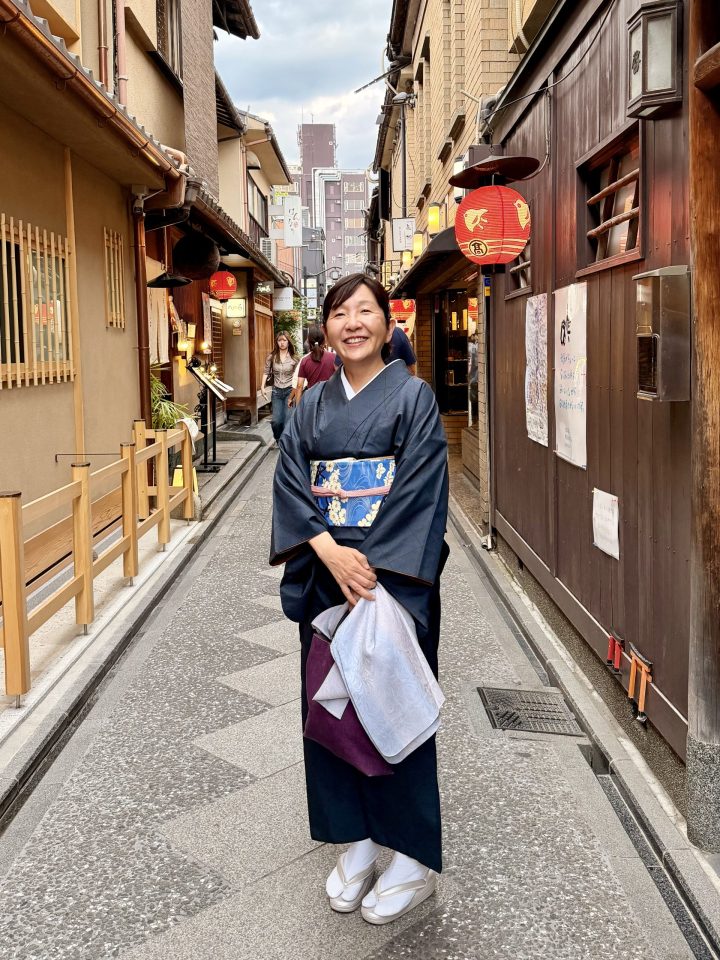
From there I walked all the way to Pontocho Alley. This narrow lane is one of the prettiest streets in Kyoto, with old wooden buildings, small restaurants, and that stylish evening atmosphere Kyoto does so well. Pontocho runs along the river and has long been known as one of Kyoto’s classic dining streets, which you still feel when you walk here in the evening.
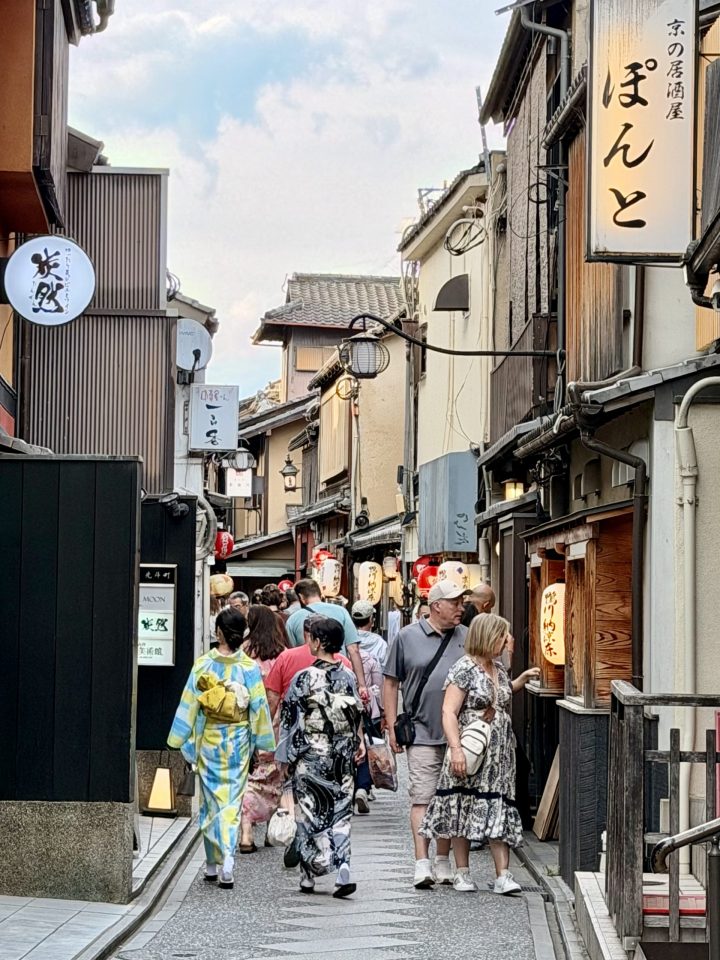
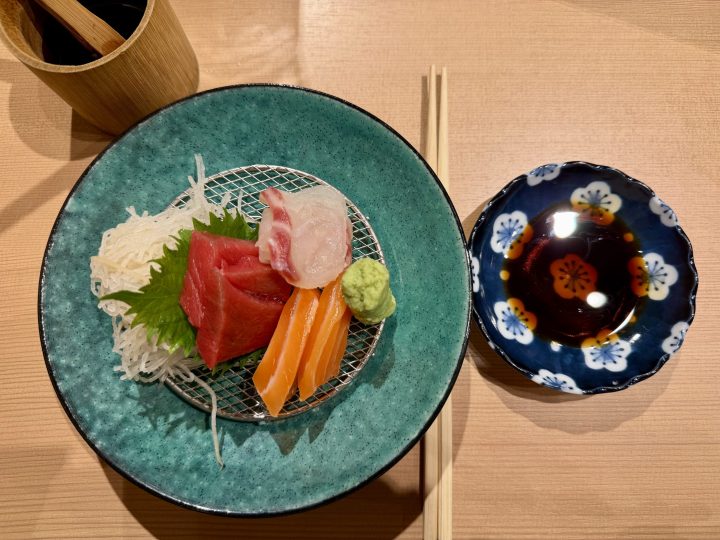
I had dinner at Sushi Kizaemon and loved it. The sushi was excellent and the interior felt modern in that clean Japanese way I always enjoy. I was there early, which made it feel even more relaxed. Such a good first impression of Kyoto. I had already done around 20,000 steps and was very happy to call it a day.
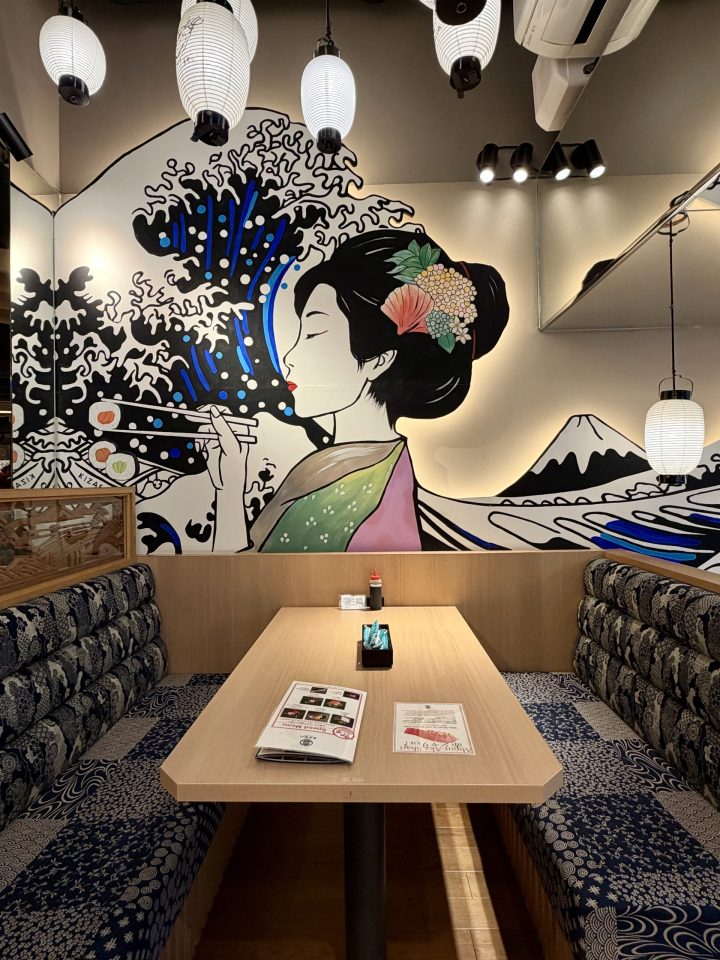
Day 2 in Kyoto: Nara by day, Gion and Yasaka Shrine at night
Gion
I visited Nara as a separate day trip from Kyoto read the full blog on Nara here! So I will keep this Kyoto guide focused on what I did back in the city that evening.
You can also do Nara as an easy day trip from Osaka if that fits your route better.
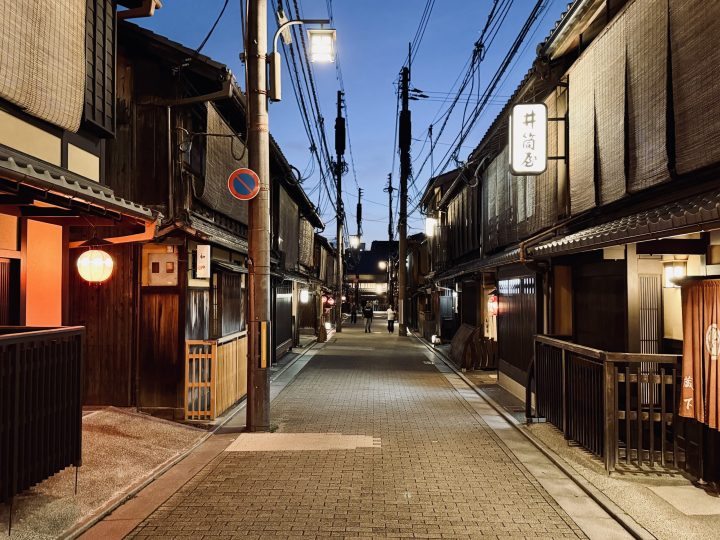
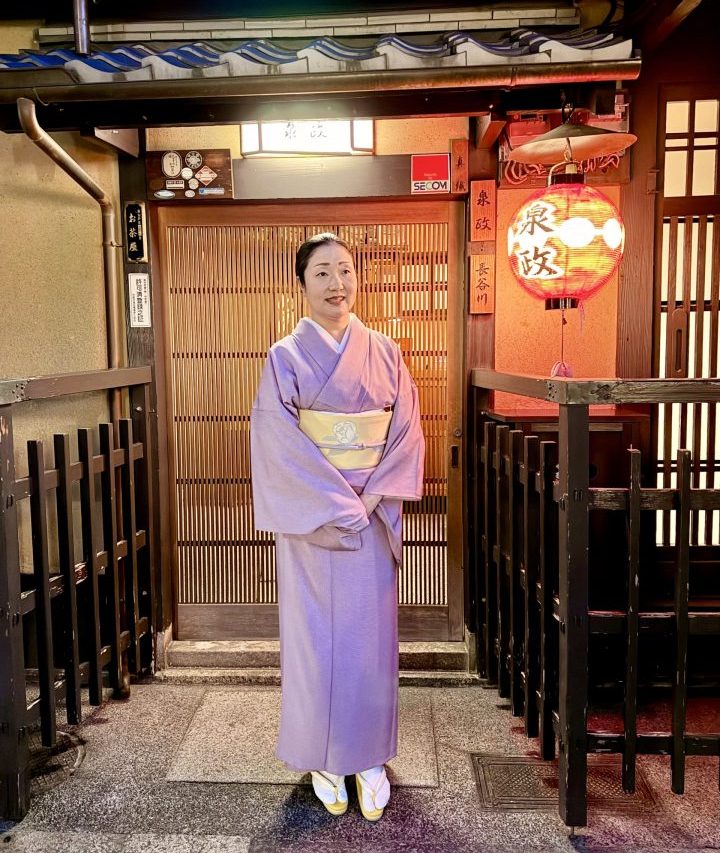
Back in the city I walked into Gion, Kyoto’s most famous geisha district. Geishas, called geiko in Kyoto, are women trained in traditional arts like dance, music, conversation, and hosting guests in private tea houses. Behind the closed doors, people gather for private evenings with food, drinks, and traditional entertainment. Sometimes business relationships are part of that setting too, which adds to the exclusive feel of Gion. That is also why this area feels a little closed from the outside. It felt quiet and a bit mysterious, with wooden doors, old houses, and very little happening on the surface. That is also what makes Gion so interesting. You come here for the atmosphere and the feeling of walking through one of Kyoto’s most historic neighborhoods, not to step inside everywhere.
Yasaka Shrine in the evening
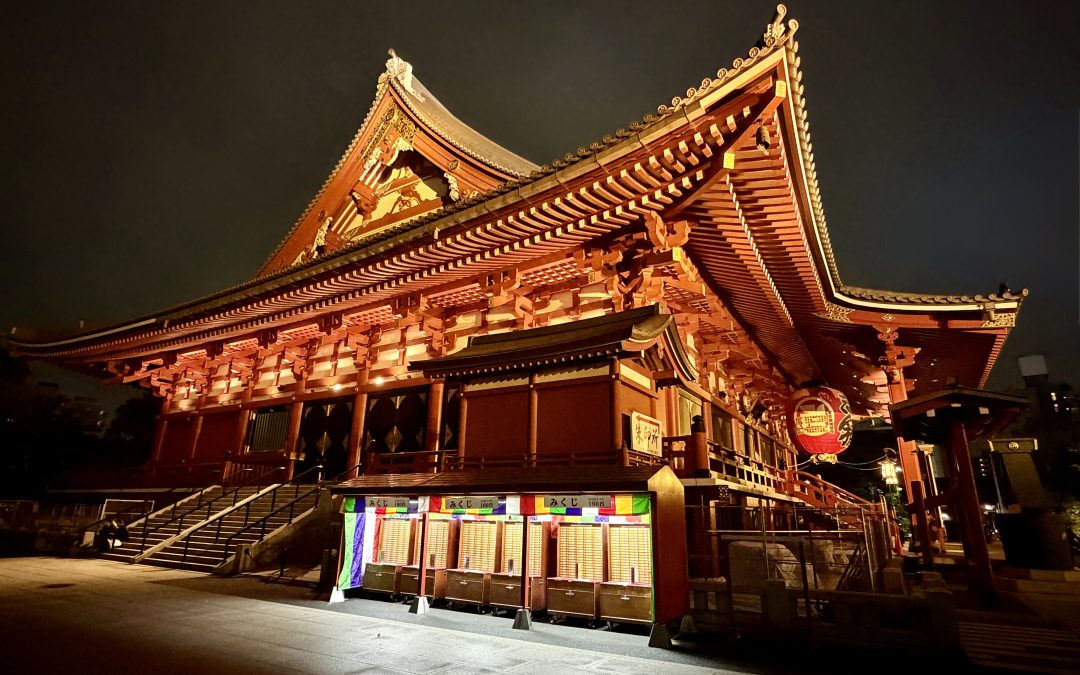
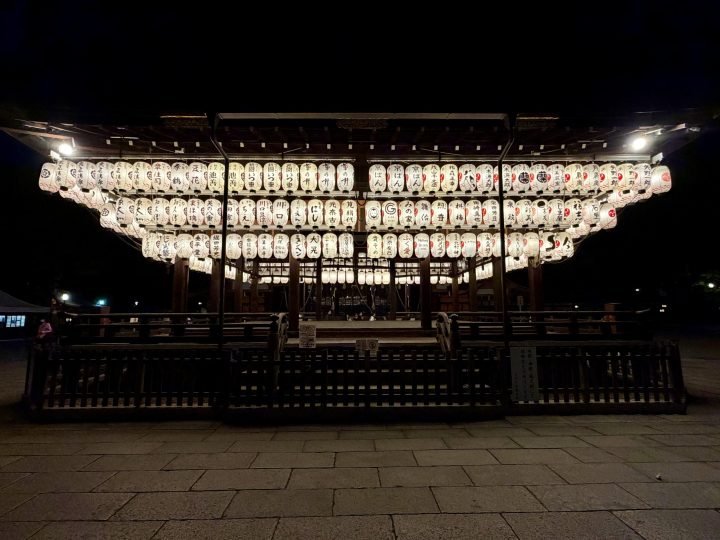
I continued to Yasaka Shrine in the evening and really liked seeing it after dark. This shrine sits right on the edge of Gion and has been part of Kyoto for more than a thousand years, so it feels deeply woven into the city. In the evening, with all the lanterns glowing, it looked even more beautiful and atmospheric to me than it probably would during the day. There were people walking quietly through the grounds, taking photos, stopping briefly to pray, and the whole place felt much calmer than the busy streets around it.
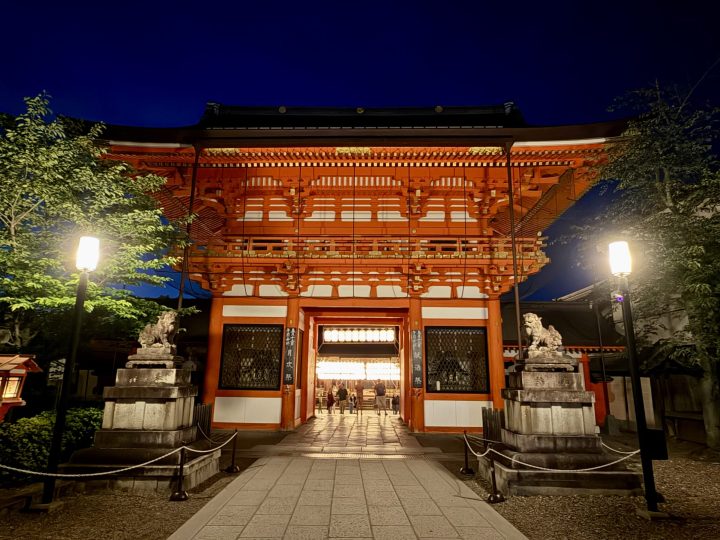
Visit Yasaka Shrine in the evening too. The lighting is beautiful and the whole area feels calmer and more atmospheric.
Day 3 in Kyoto: Fushimi Inari, Kiyomizu-dera, old streets, and rooftop drinks
Fushimi Inari
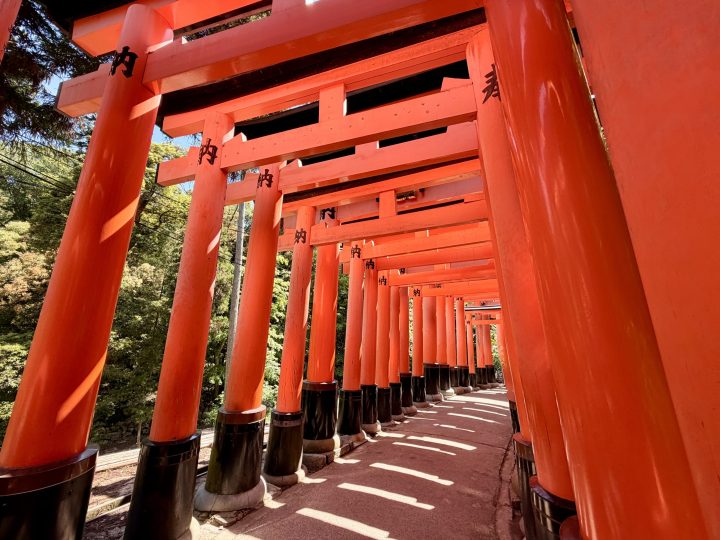
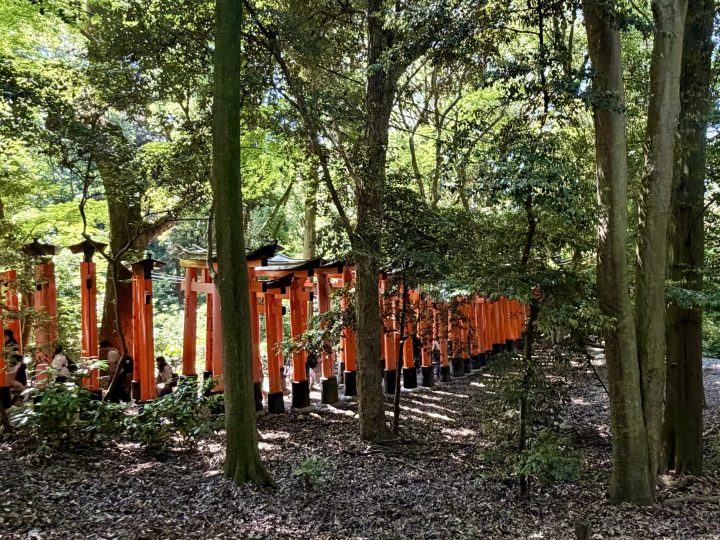
This became my biggest highlight day in Kyoto. I took the train out to Fushimi Inari, one of Kyoto’s most famous shrines and known for the ten thousand of red torii gates climbing up the mountain. The shrine is free of entrance and dedicated to Inari, linked to rice, prosperity, and business, which is why so many gates have been donated over the years. The lower part was busy, with lots of school groups and visitors, but once I walked farther uphill it became calmer and much easier to enjoy.
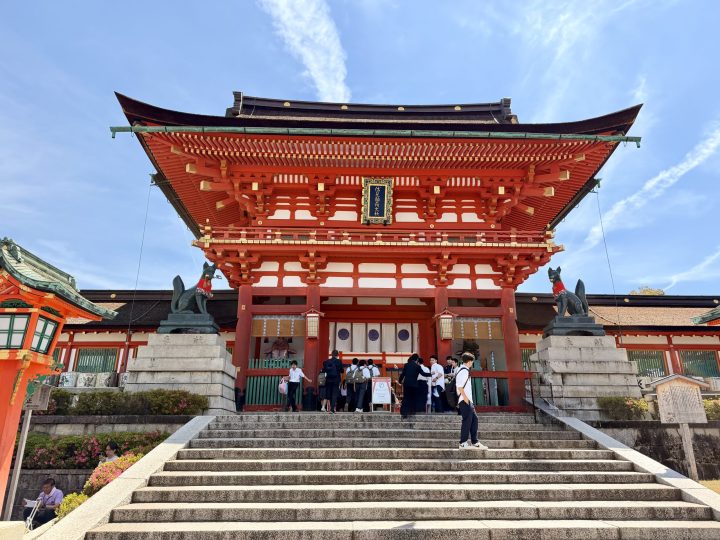
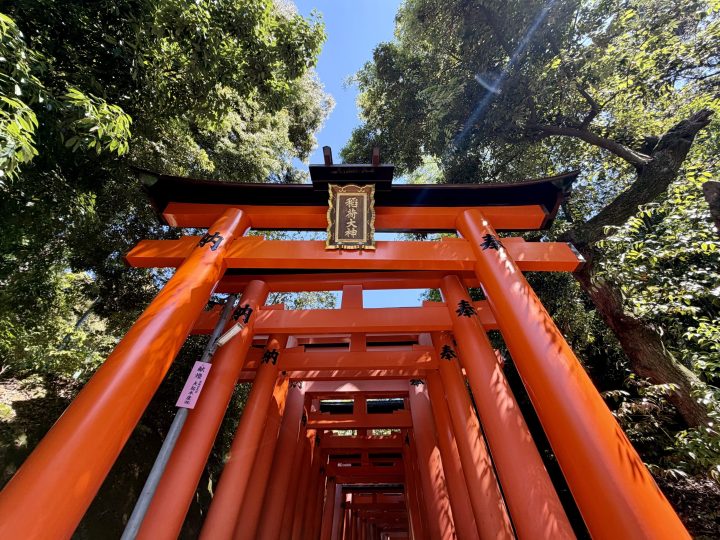
I stayed about 1.5 hours in total and thought that was enough for a good experience. The first shrine buildings are beautiful, but the real reward is a little higher up, where there is more space and better views.
Bring water and keep walking higher if you want more space, better views, and a calmer atmosphere.
Kiyomizu-dera
After that I went to Walden Woods Coffee, which also became breakfast. Then I continued to Kiyomizu-dera, one of the most famous temples in Kyoto. The temple sits high on the hillside in the Higashiyama area, which is why the views over Kyoto are so beautiful from here. Kiyomizu-dera is especially known for its large wooden stage, built out from the main hall. It is one of those places you have probably seen in photos before visiting Kyoto, but it still feels impressive in real life. The temple is also linked to the Otowa Waterfall, where visitors come to drink from the streams for good fortune.
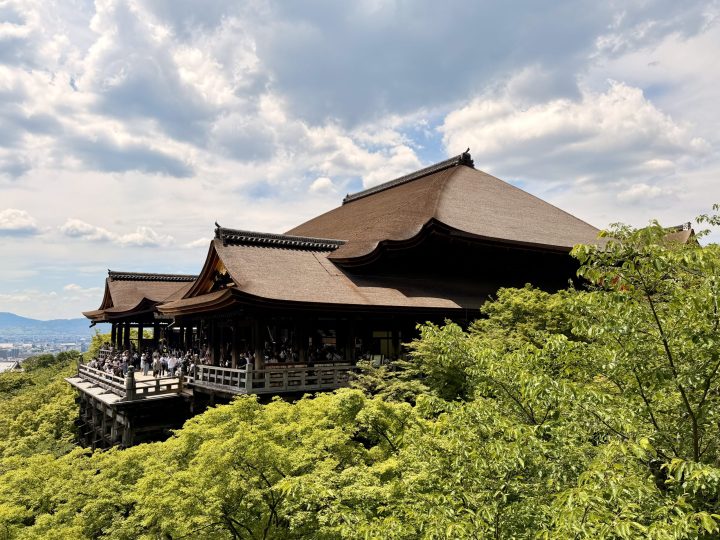
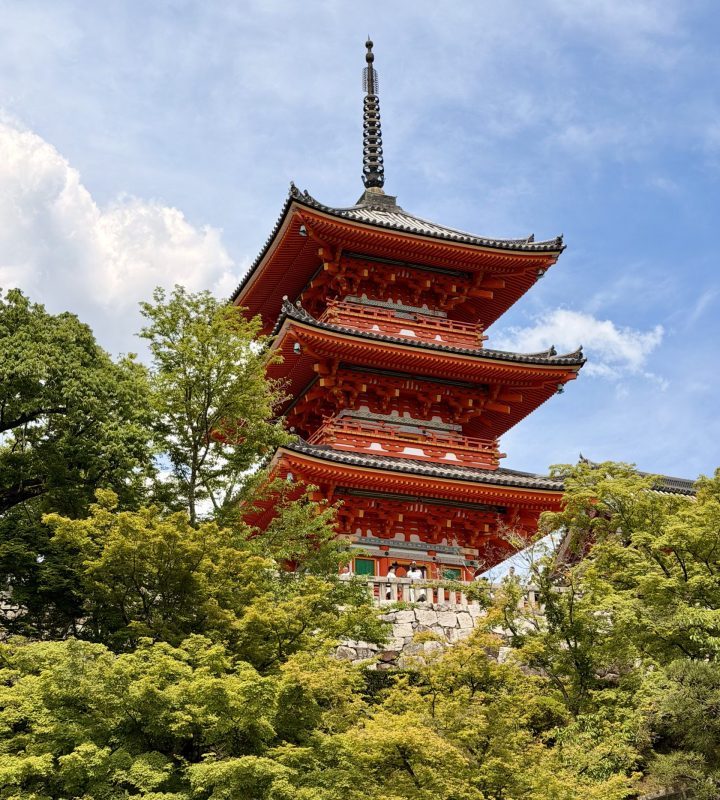
It was busy, but the setting was so striking that I did not mind too much. I had my goshuin book written there again for ¥300 and loved seeing the large wooden stage from different angles. The bright red three-storied pagoda at Kiyomizu-dera was also beautiful, especially with all the green trees around it.
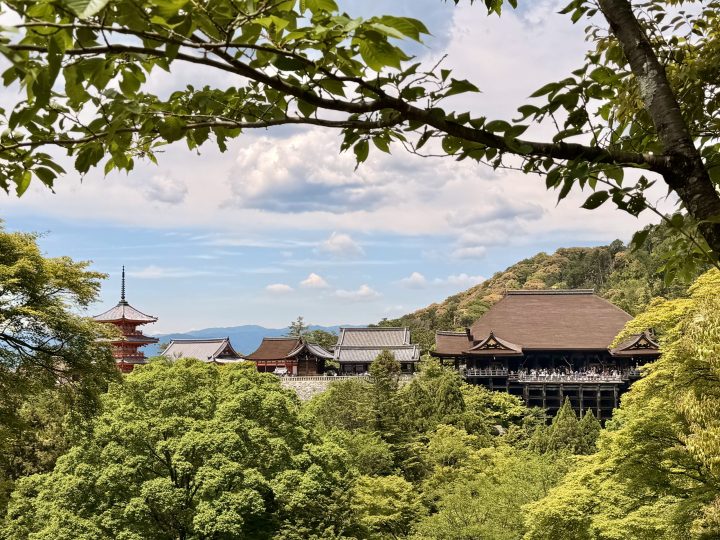
The entrance fee was small, around ¥500 for adults. Bring some cash, because small entrance fees in Japan are not always card-friendly.
Sannenzaka, Ninenzaka, and K36
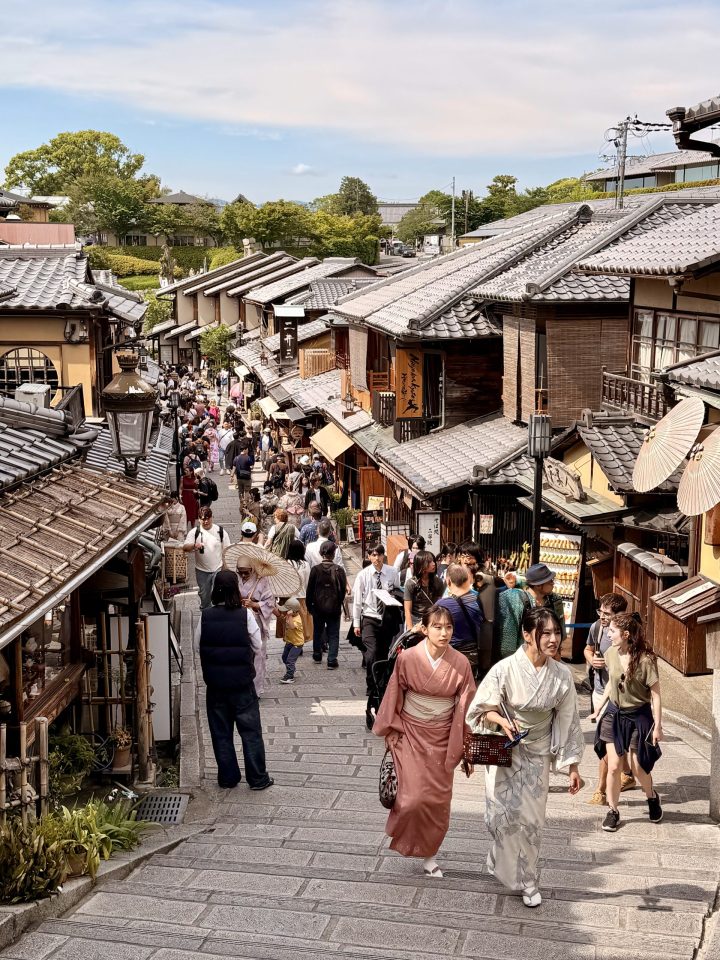
After visiting, I walked through Sannenzaka and Ninenzaka, two of the nicest old streets in Kyoto for boutiques, sweets, and souvenirs. These sloping lanes connect beautifully with the temple area and still have that old Kyoto feel with wooden shopfronts, stone paths, and lots of little details to look at. It was also perfect for souvenir shopping, and I bought some of my favorite things here, including matcha items and incense holders.
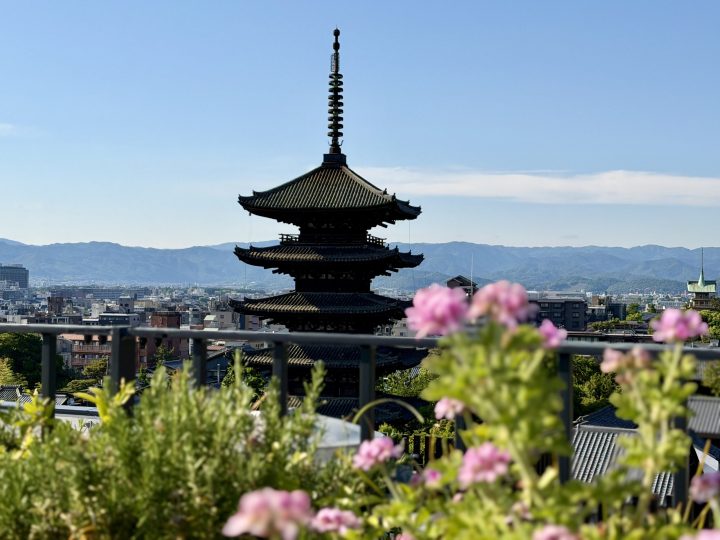
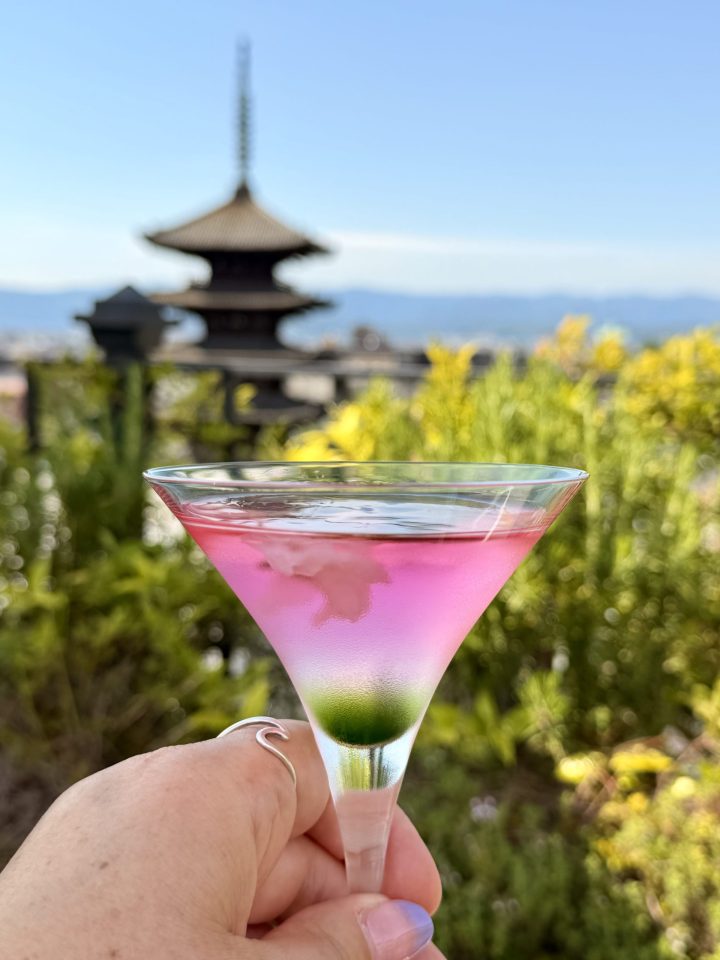
Later I stopped for matcha at Itohkyuemon and ended the day at K36, one of my favorite spots in Kyoto. The rooftop view over the city, the mountains, and the Yasaka Pagoda was incredible. That view of Yasaka Pagoda really makes this spot extra special, especially around golden hour. I stayed longer than planned just to enjoy it with my cherry blossom sake cocktail and even called home for a moment to share the view. Honestly, thank me later for this tip!!
Back near the hotel I had dinner at 26 Dining, a new and very hip restaurant where no one spoke English. That made it a little exciting, but also fun, and exactly the kind of travel moment I enjoy. The food was delicious, and after a day of around 25,000 steps I was more than ready for bed.
Day 4 in Kyoto: Arashiyama, a wagashi workshop and tempura dinner
Arashiyama
Arashiyama is another famous Kyoto area, mostly known for the bamboo grove, the river, and the hills around it. It feels more like a nature break from the city, which is part of the appeal. I took the JR line to Saga-Arashiyama Station and first stopped for coffee at Coffee Stand reUnion Arashiyama. Such a nice little place, and again this became breakfast for me.
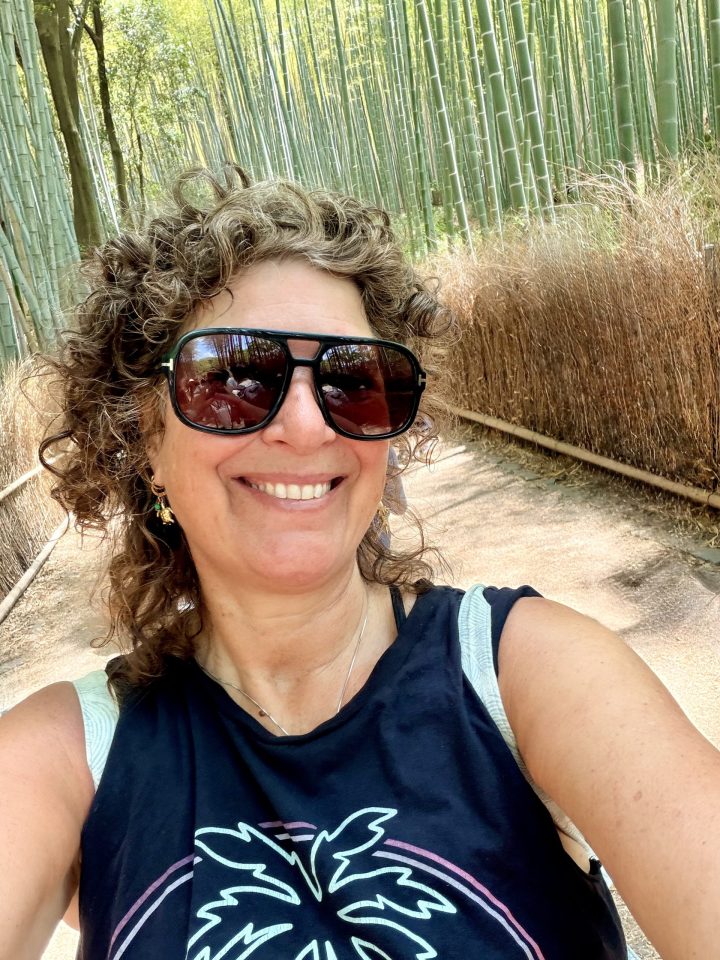
The bamboo grove is iconic, but to be honest, I expected a little more. Online it often looks magical and empty, but in real life it was busy and smaller than I imagined. Still, it is worth seeing once.
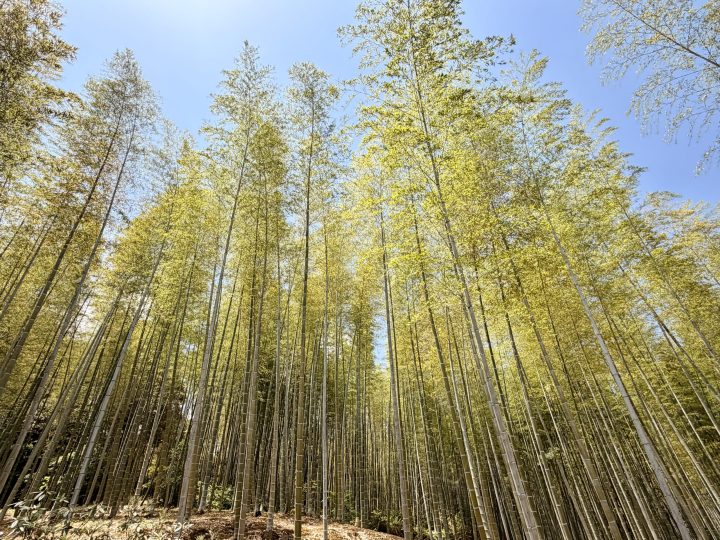
What I liked even more was Tenryu-ji next to it, one of Kyoto’s important Zen temples. It was founded in the 14th century and is especially known for its beautiful garden, with the Arashiyama mountains as a natural backdrop. The gardens were beautiful and spacious, and gave a much better sense of the bamboo and mountain setting around Arashiyama.
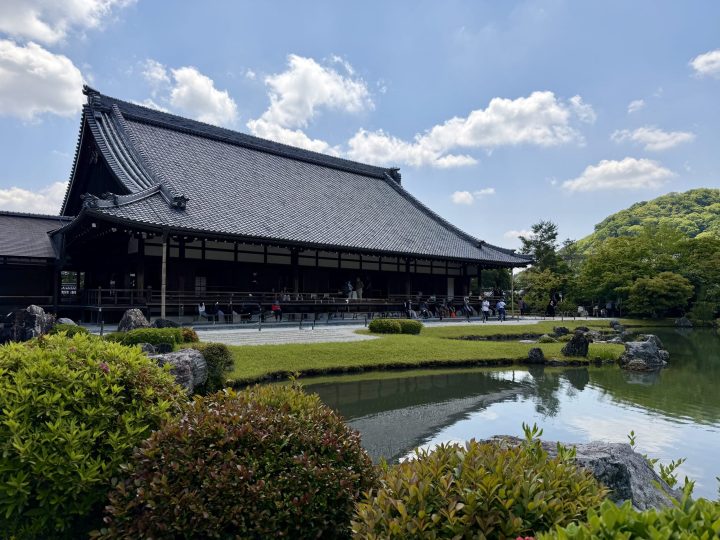
The bamboo grove is free to visit. Tenryu-ji next door costs around ¥500 for the garden, with an extra fee if you also want to enter the temple buildings. I also paid around ¥200 to have my goshuin book written here. These small temple costs are not huge, but they do add up if you visit several places in one day.
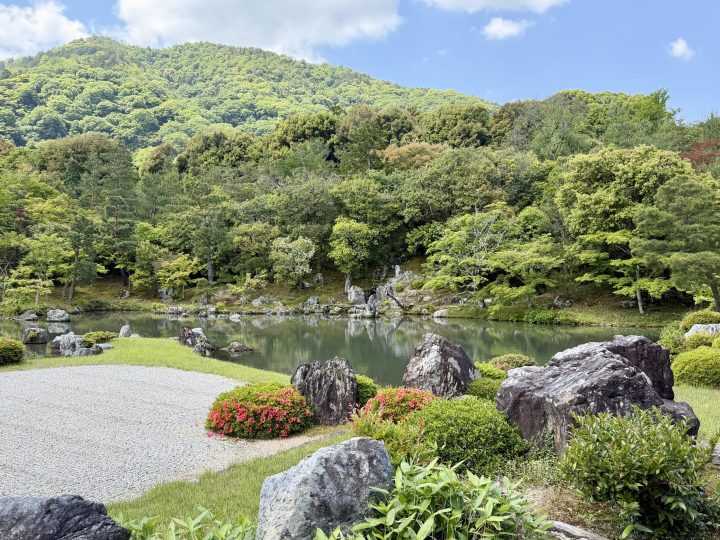
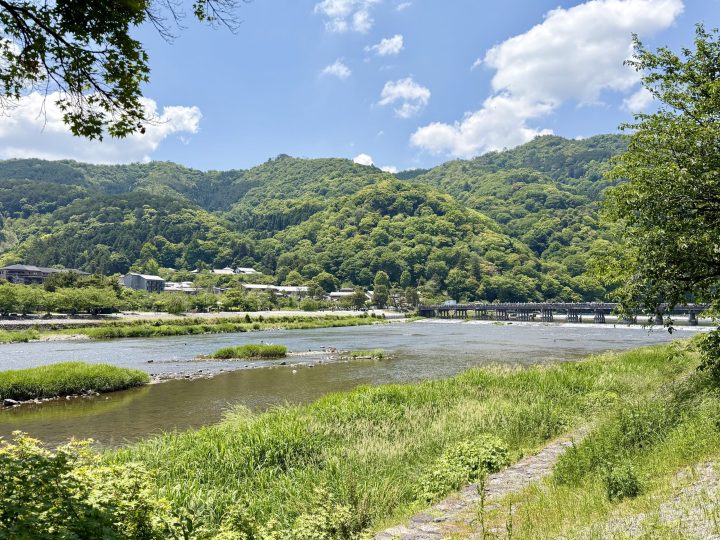
From there I walked toward the Togetsukyo Bridge and along the river. It is such a pretty part of Arashiyama, with people out on the water, the hills in the background, and Monkey Park on the other side. On the way back I paused at Rickshaw Cafe for my daily matcha shot, which had become a bit of a ritual by then.
Wagashi Workshop
Later that afternoon I returned to the city for a workshop at Wagashi Issho, where I made spring sweets inspired by cherry blossoms. Wagashi are traditional Japanese sweets, often linked to the seasons and usually served with tea. They are often made with ingredients like sweet bean paste, rice flour, and natural colors, so it felt very fitting to do this in Kyoto. The one-hour wagashi workshop cost around ¥12,500, about $78. It was not cheap, but was fun, delicious and original to do!
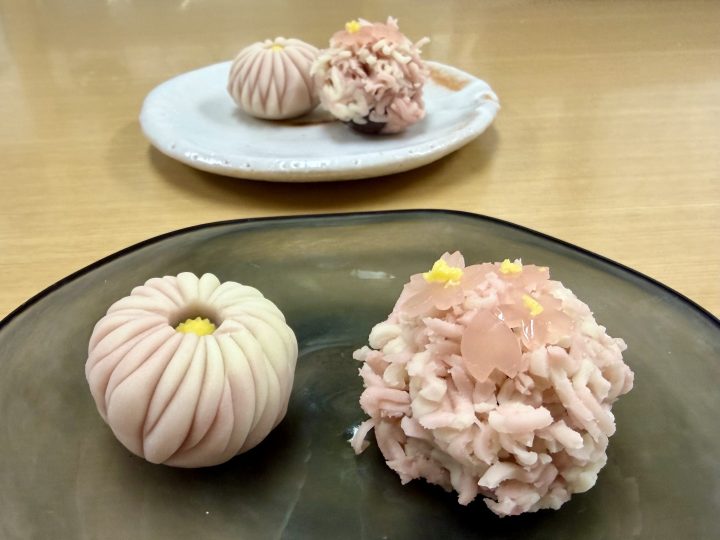
Book the wagashi workshop ahead of time. It is a fun alternative to the usual sushi class and also very photogenic.
Dinner at Yoshikawa
In the evening I had dinner at Yoshikawa, and this was one of the culinary highlights of my Japan trip. Dinner cost around ¥20,000, about $125, so it was not cheap. But sitting at the tempura counter and watching everything being prepared right in front of me made it feel like a real Japanese experience, not just a meal. I had never done anything quite like this before, and that made it even more special.
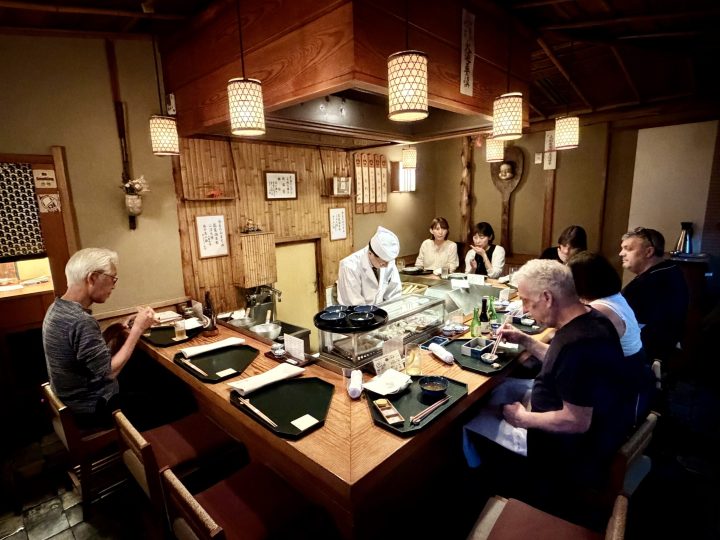
Book Yoshikawa ahead if you really want to eat here. I got lucky with a walk-in because I was traveling solo, but I would not count on that.
Where to Eat and Drink in Kyoto
Coffee and Matcha
For coffee I really liked Coffee Sunny George near the hotel, Walden Woods Coffee, and Coffee Stand reUnion Arashiyama.
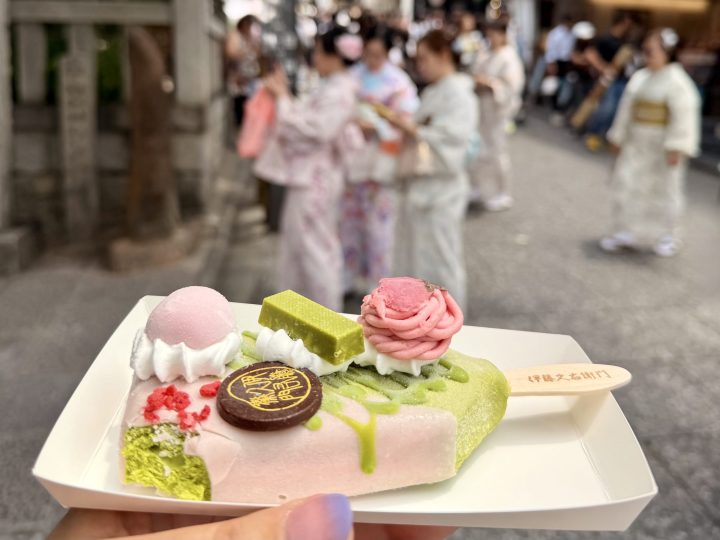
% Arabica near Togetsukyo Bridge is clearly a hot spot too, but it was too busy for me to stay. For matcha, I also liked Itohkyuemon near Sannenzaka, where I had a drink overlooking the garden. And in the other shop on the main street I had a delicious and stunning Matcha ice-cream!! Rickshaw Cafe was a fun stop on the way back from Arashiyama.
Dinner and Drinks
For dinner, Sushi Kizaemon in Pontocho Alley is a very good pick if you want great sushi in a beautiful setting. K36 Rooftop Bar is perfect for a drink with a view, 26 Dining was fun because it felt local and a little challenging, and Yoshikawa was my clear favorite for a special night out.
Let Me Inspire You Takeaways on Kyoto
Kyoto is one of those cities that looks beautiful in photos, but in real life it has much more depth. It is green, beautiful, and full of contrast. You can spend the morning at a famous shrine, the afternoon shopping for matcha bowls in an old lane, and the evening on a rooftop with a drink and temple views.
I also liked that the days felt different from each other. One day was more about history, another about big highlights, another about food, craft, and nature. That made 4 days in Kyoto feel like a really good amount of time, although I could easily have stayed one day longer because I really loved Kyoto.
FAQ: Planning 4 Days in Kyoto
What are the best things to see in Kyoto in 4 days?
For me, the best combination was Fushimi Inari, Kiyomizu-dera, Arashiyama, Gion, Pontocho Alley, and time around the river and the Kyoto Imperial Palace area. That way you do not only see temples, but also the atmosphere of the city itself.
Is 4 days enough for Kyoto?
Yes, 4 days is a really good amount of time for Kyoto, even including a day trip to Nara. But if you have an extra day, I would happily take it. Kyoto is one of those cities where it is easy to slow down and enjoy one more temple, one more neighborhood, or just one more good coffee stop in between the highlights.
What neighborhood should you not miss in Kyoto?
I would say Gion, Pontocho, and the Higashiyama area around Kiyomizu-dera, Sannenzaka, and Ninenzaka. These parts feel the most atmospheric and give you that classic Kyoto feeling.
Is Arashiyama worth visiting?
Yes, Arashiyama is worth visiting, but it helps to go with the right expectations. The bamboo grove is famous and fun to see, but Tenryu-ji and the area around the river made the visit feel much more complete for me.
From Kyoto to Takayama: the next stop on this Japan trip
If you are planning the same route, Kyoto connects well with Takayama by train via Nagoya. After Kyoto’s old lanes, matcha stops and rooftop views, Takayama felt like a completely different side of Japan. Smaller, slower and surrounded by snowy mountains in the distance. And funny enough, this is where I ended up seeing even more temples. Or if you do the route reverse you can take the train to Osaka.