If you are visiting Tokyo for the first time and keep doubting where to stay, I get it. I had exactly the same problem. In the end, I chose Asakusa for four nights, and after staying here myself, I do think it is one of the best areas to stay in Tokyo for a first trip. Choose Asakusa if you want an area that feels lively, but not too intense. Somewhere with character, but also easy for a first stay in Tokyo. Asakusa turned out to be exactly that, with a more traditional feel but still plenty of shops, food, and transport close by.
From Fujikawaguchiko back to Tokyo
Take the bus from Fujikawaguchiko to Tokyo if you want an easy route back into the city. That morning it was raining, and it made me realize again how lucky I had been to see Mount Fuji clearly for two days in a row before that. The direct bus ride to Shinjuku takes about two hours and arrives at the main bus terminal near Shinjuku Station. It costs around JPY 2,200 one way, so roughly USD 15. There was some traffic as we got closer to Tokyo, which of course is part of arriving in a big city like this. Mount Fuji is now behind you, and Tokyo is waiting for you!! From Shinjuku, continue by train toward Asakusa. There are several options depending on where you are coming from, so check in advance which station is most convenient for your route. If you are taking the same route, you can compare bus times and tickets on 12Go.
If you are traveling from Fujikawaguchiko to Tokyo, look at the final station that works best for your hotel, not just the first station in the city.
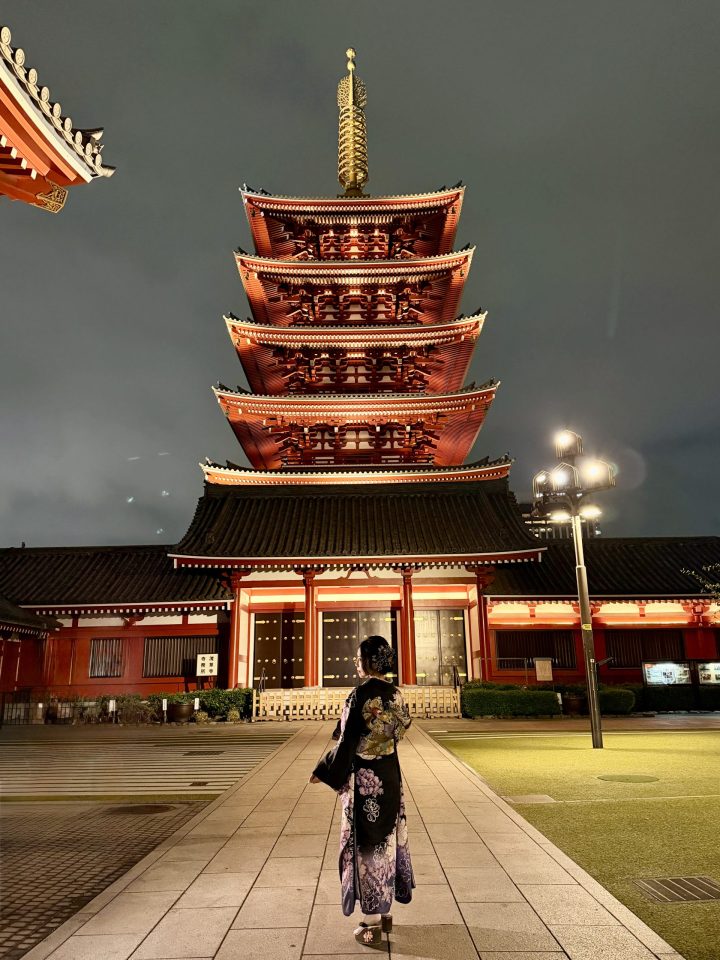
Why I chose Asakusa
I briefly considered splitting my stay between two neighborhoods, but do not underestimate how much time and energy that takes. Dragging your suitcase through stations, checking in again, checking out again, and losing half a day in the process did not feel worth it to me. For Tokyo, the real difference between neighborhoods is the atmosphere. If you want more energy and a busier setting, other areas may suit you better. Stay in Asakusa if you want somewhere a little calmer at the end of the day, while still feeling very much in the city. It is busy too, do not get me wrong. Don Quijote is open 24 hours, there are shops everywhere, and even late in the day the streets still feel alive. But it never felt like complete mass hysteria to me.
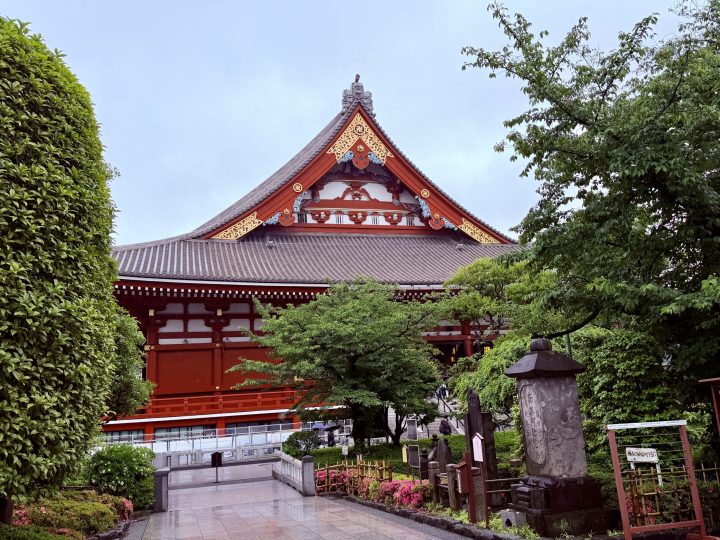
Asakusa has a softer feel to it and, for me, felt a little less overwhelming than areas like Shinjuku or Shibuya.
My Hotel in Asakusa
I stayed at Asakusa Kokono Club Hotel, and it was a good fit for me. Book this kind of hotel if you want to stay right in the heart of the neighborhood, close to Senso-ji and surrounded by little streets with shops and places to eat. Downstairs there is even a coffee shop, and yes, I got a discount on my cappuccino, so that already made me happy. I paid about USD 109 per night, excluding breakfast, but prices in Tokyo can change a lot depending on the season, day of the week, and how early you book. For Tokyo, that felt fair for the location, the styling, and the comfort. Expect a small room in Japan, but this one was completely fine, with enough space for my things and all the shopping I kept adding every day.
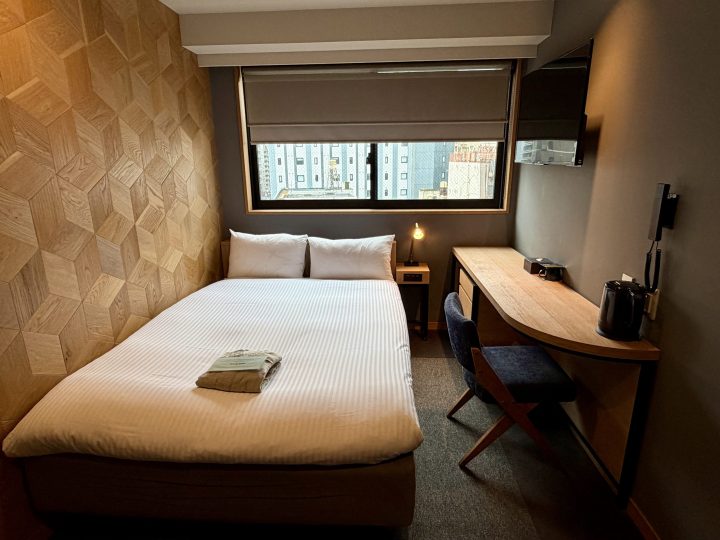
The staff were kind, the shower was good, and I was even allowed to check in early, which had not happened once on the rest of my trip. There is no onsen here, but that was fine for me. I also got the usual sleepwear again, although this one was definitely on the small side.
If you want to check the latest rates, have a look on Booking and compare what works best for your dates.
What Asakusa felt like as a base
Stay four nights in Asakusa if you want enough time for a first Tokyo visit without changing hotels again. I had three and a half days in Tokyo, and the first half day was mainly for arriving, settling in, and exploring the neighborhood a little. It was still lightly raining, which made it a good moment for coffee, browsing, and buying my first souvenirs at Don Quijote. If you have never been, Don Quijote is one of those Japanese discount stores where you walk in for one thing and come out with much more. Go here for souvenirs, snacks, face masks, beauty products, and all sorts of small gifts. I bought masks for everyone, several bags of Kit Kats, and quite a few random extras.
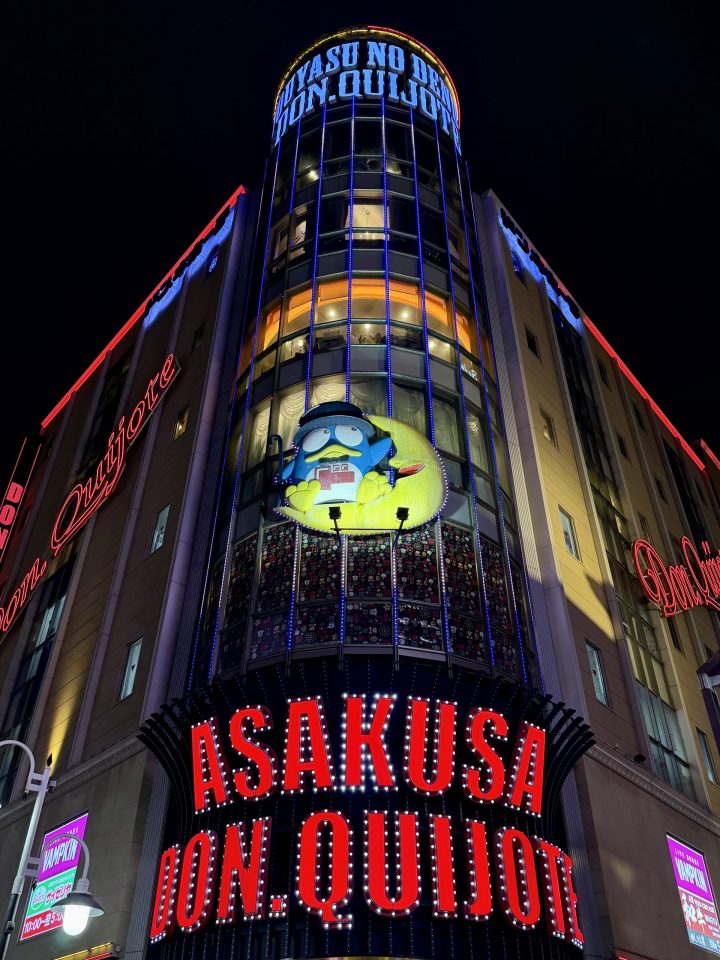
Keep your passport with you if you want to shop tax free in Tokyo. Japan is changing its tax-free system from November 2026, so always check the current rules if you plan to buy bigger items.
There was also a Uniqlo nearby, where I had a bag printed and picked up a few shirts. Even if you return from another part of Tokyo, the last part of the walk back through Asakusa still feels part of the day. You pass little shops, side streets, and the temple area again, so it never feels like a dull walk back to your hotel. Without really trying, those final steps add up too, and before you know it you are heading toward 25,000 steps again.
Senso-ji Temple around the corner
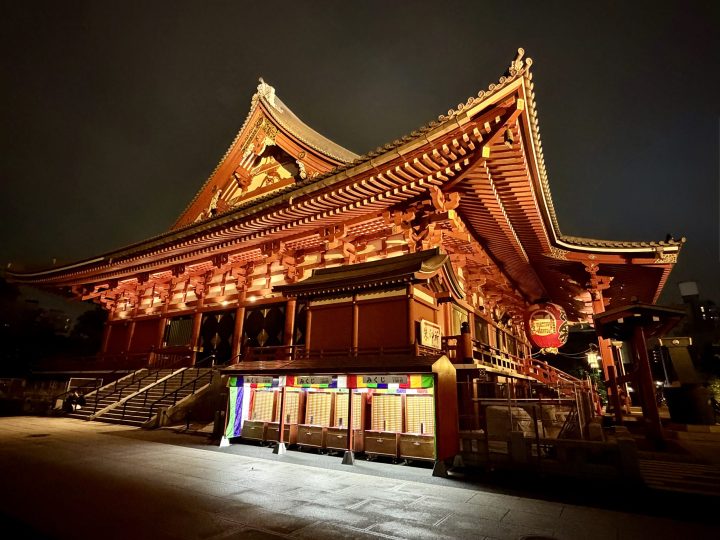
One of the reasons I liked staying here so much was Senso-ji. It was almost around the corner from my hotel, which meant I could stop by whenever I wanted. Senso-ji is Tokyo’s oldest temple, and its origin story goes back to 628, when a small Kannon statue was found in the Sumida River. A temple hall was later built in 645, and today Senso-ji is still one of the most important temple sites in the city.
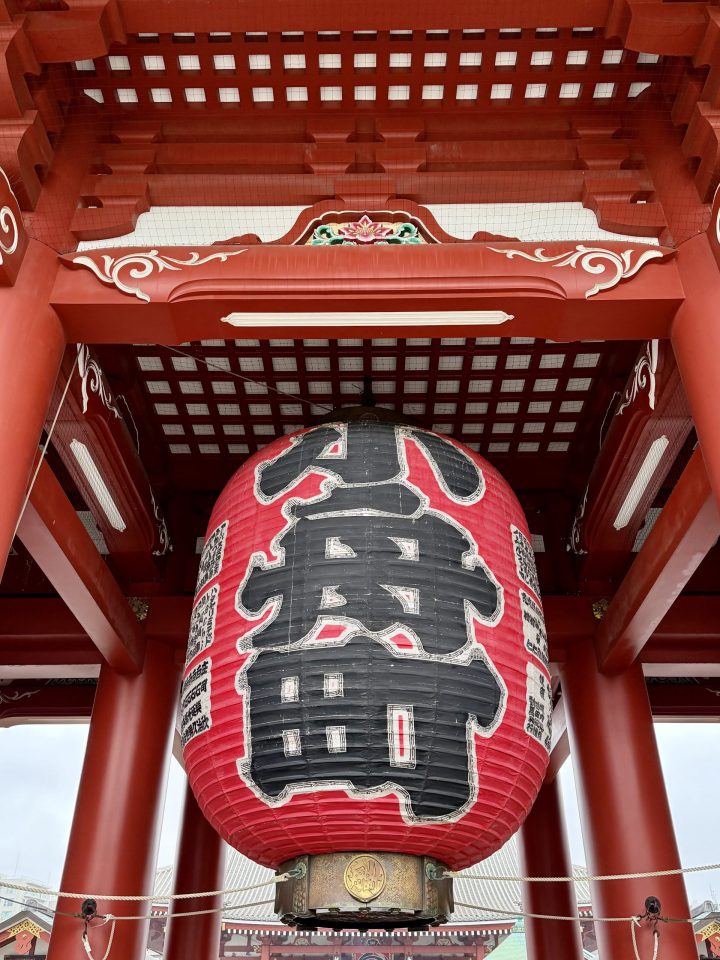
Walk past the huge lantern at Kaminarimon, continue through the shopping street, and then the temple opens up in front of you. It is busy, of course, but still beautiful, with a bit of greenery around it that feels good in the middle of Tokyo. You can also do one of the temple fortunes here. Shake the container until a stick comes out, match the number, and then read your paper. If you get good luck, you keep it. If you get bad luck, you leave it behind. I had my goshuin book stamped here too, which I really liked. Staying in Asakusa meant I did not have to rush anything.
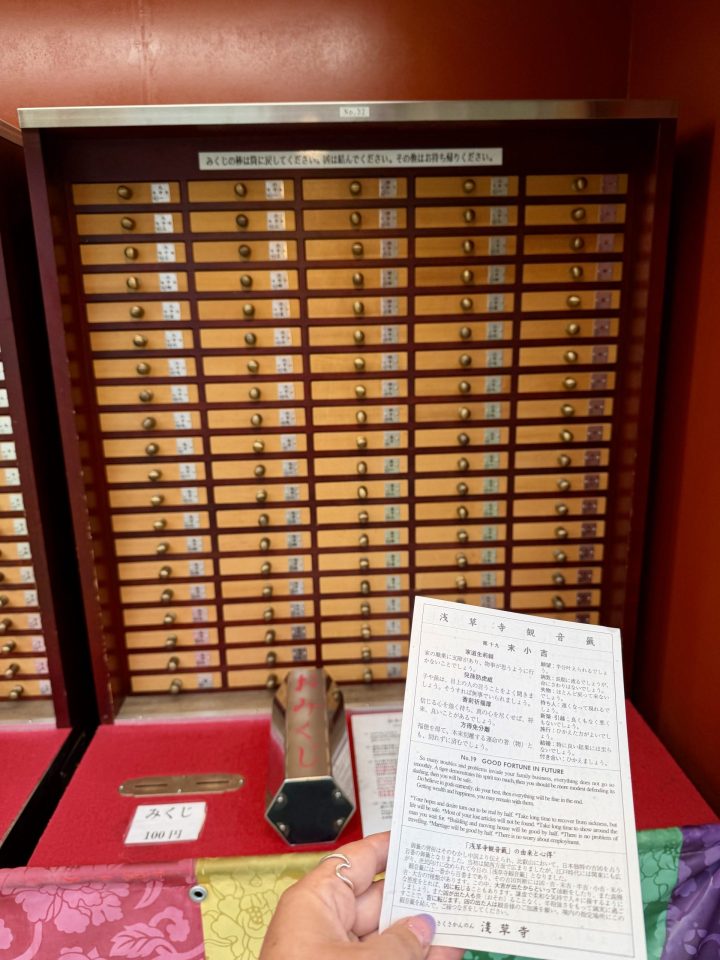
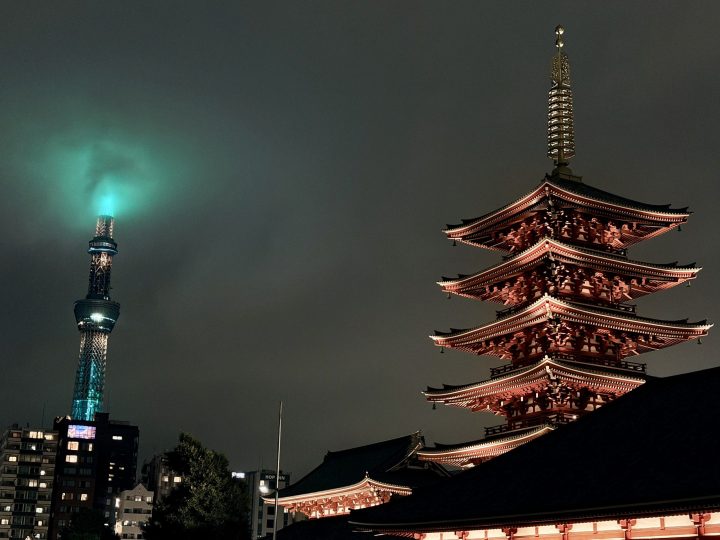
Go back to Senso-ji in the evening too. The lighting is lovely, and the whole area feels different in the evening.
More things I liked in the area
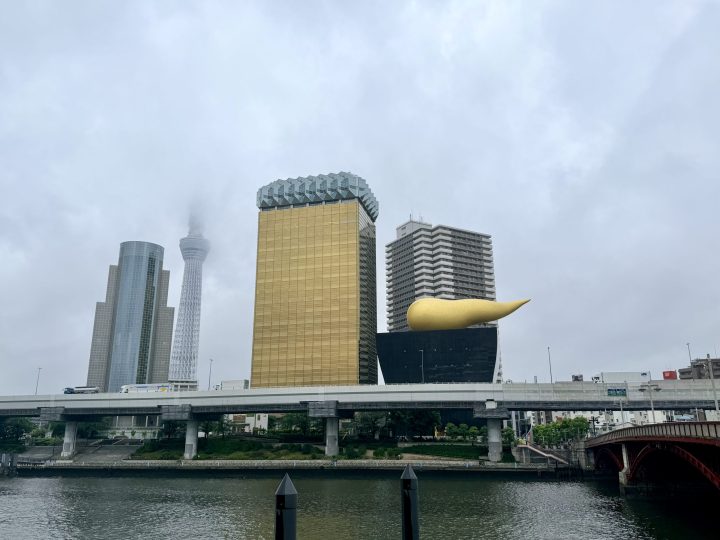
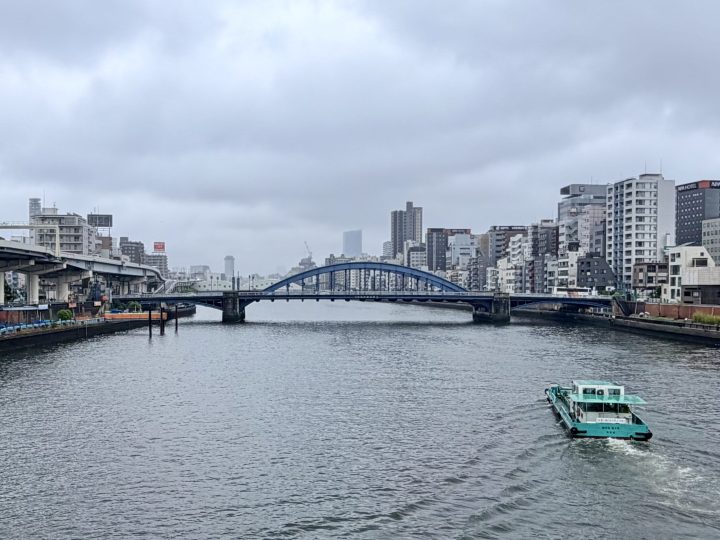
Walk over the river if you want a simple break from the smaller streets. One afternoon I saw Tokyo Skytree disappearing into the mist. Next to it you notice the Asahi buildings, including the famous golden flame on top, which does look a little unusual at first sight. That whole stretch by the river is nice for a walk, especially if you want a bit more space. Go into EKIMISE above Asakusa Station on a rainy day. It has sweets, food counters, and shops, so it is an easy indoor stop.
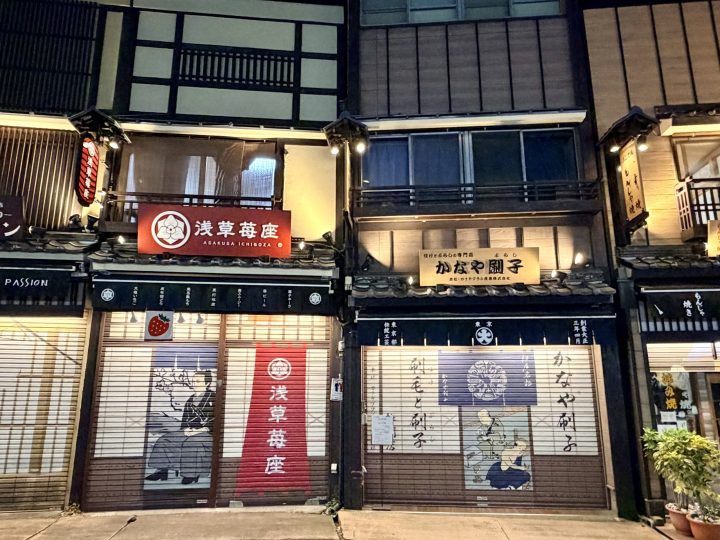
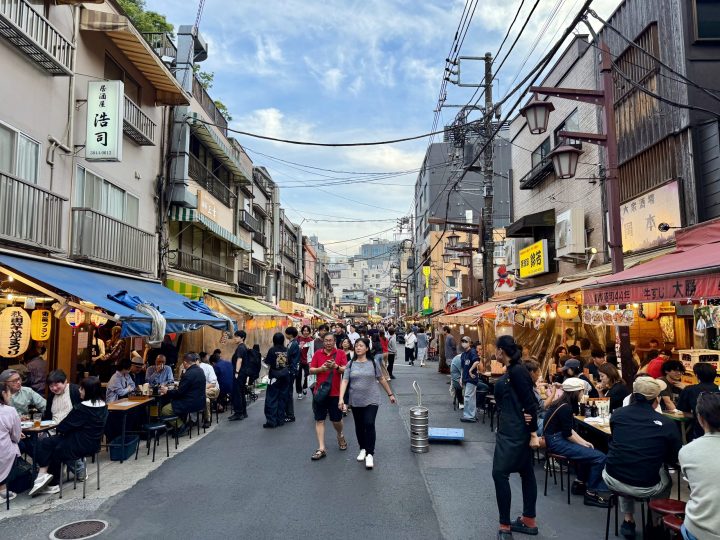
Hoppy Street was another place I really liked, especially toward the evening when the small restaurants fill up and the whole street feels lively. Continue to Denboin Street if you want something quieter and more traditional, with buildings that still show a bit of old Tokyo.
Food and small moments
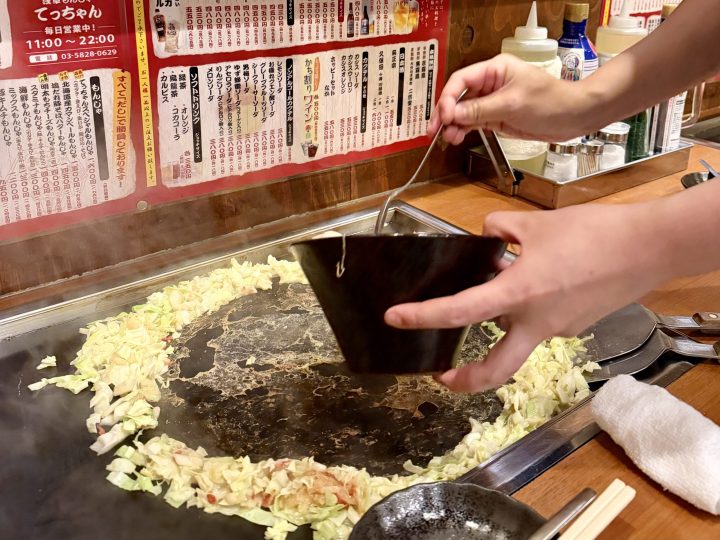
Try monjayaki while you are in Tokyo. It is the Tokyo version of Osaka’s okonomiyaki, cooked on a hot plate right in front of you. It is the kind of meal where they help you get started, but you still end up doing a little bit yourself at the table. I went to Tecchan, near my hotel Asakusa Kokono Club Hotel.
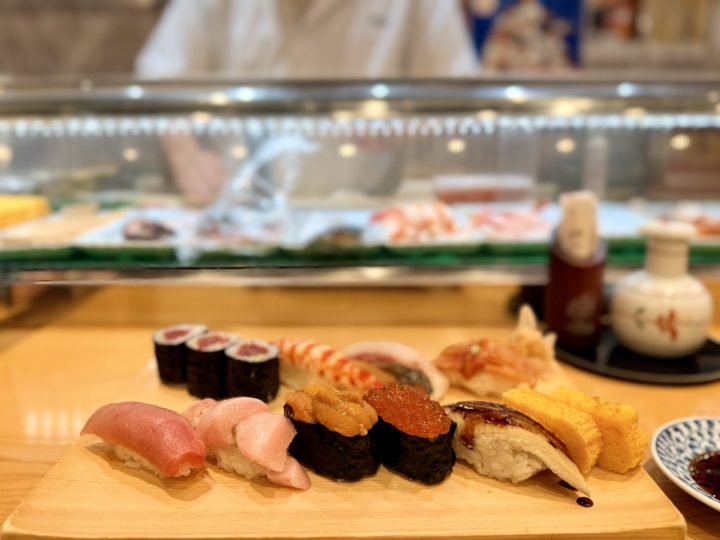
Another good solo option is sushi at the counter. I went to Kintaro Sushi, ordered a mixed selection, drank green tea, and had one last sushi dinner before leaving Japan. That is what made Asakusa such a good base for me. It was practical, but it also had enough character to make the mornings and evenings feel enjoyable too. It was simply a nice area to come back to.
Leaving Tokyo from Asakusa
On the day I left Japan, I took a taxi to Ueno Station to make things easier with my luggage. That felt like the right choice. In Tokyo, stairs and luggage are not always a great combination, and a short taxi ride can save you a lot of hassle. From Ueno, take the direct Keisei Skyliner to Narita. The trip takes about 45 minutes, seats are reserved, and it is very comfortable to use. I paid around JPY 2,570, including the basic fare and Skyliner reserved-seat fare.
Just note that you need a separate Skyliner ticket and surcharge for this, so you cannot simply rely on your regular IC card. If you like booking transport in advance, you can also check Skyliner tickets on 12Go.
FAQ about the best area to stay in Tokyo
Is Asakusa the best area to stay in Tokyo for first-time visitors?
For many first-time visitors, yes. It is easy to navigate, has a nice atmosphere, and gives you a good mix of traditional Tokyo and practical city comfort.
How many days should you stay in Asakusa?
I stayed four nights, so 3.5 days which felt very good for a first trip to Tokyo, especially with the travel days to and from the city taken into account.
Is Asakusa a good area to stay in Tokyo if you are traveling solo?
For me, yes. It felt lively and safe, with plenty of places to eat, shop, and walk around, without feeling too hectic at the end of the day.
Let Me Inspire You Takeaways
If you are doubting where to stay in Tokyo, I understand completely. I went back and forth on it myself. But after four nights in Asakusa, I can say it was the right choice for me. It gave me beautiful corners, easy logistics, good food, great shopping, and one of my favorite spots in the city just around the corner. Stay in Asakusa if you like a neighborhood with atmosphere, easy transport, and a slightly more traditional feel at the end of the day. For a first trip to Tokyo, that balance felt just right.
Still planning your trip? Read my 3 days in Tokyo itinerary with honest tips and favorite stops next.