Yes, Tokyo is absolutely doable in three days if you plan it by neighborhood and accept that you will not see everything. That is what made my first trip work. I linked areas that sit fairly close together, walked a lot, and took the metro or train to the next part of the city. Tokyo did overwhelm me at times. It is loud, huge, bright, and always moving. At the same time, I loved it almost immediately. Before this trip, I really only knew Shibuya Crossing and vaguely Harajuku as that street with the hip girls. Beyond that, I had no real idea how to tackle this massive city. This is the exact 3 days in Tokyo itinerary I followed, with the most important neighborhoods, main highlights, and places that stood out to me most.
Where to stay in Tokyo for 3 days: Asakusa
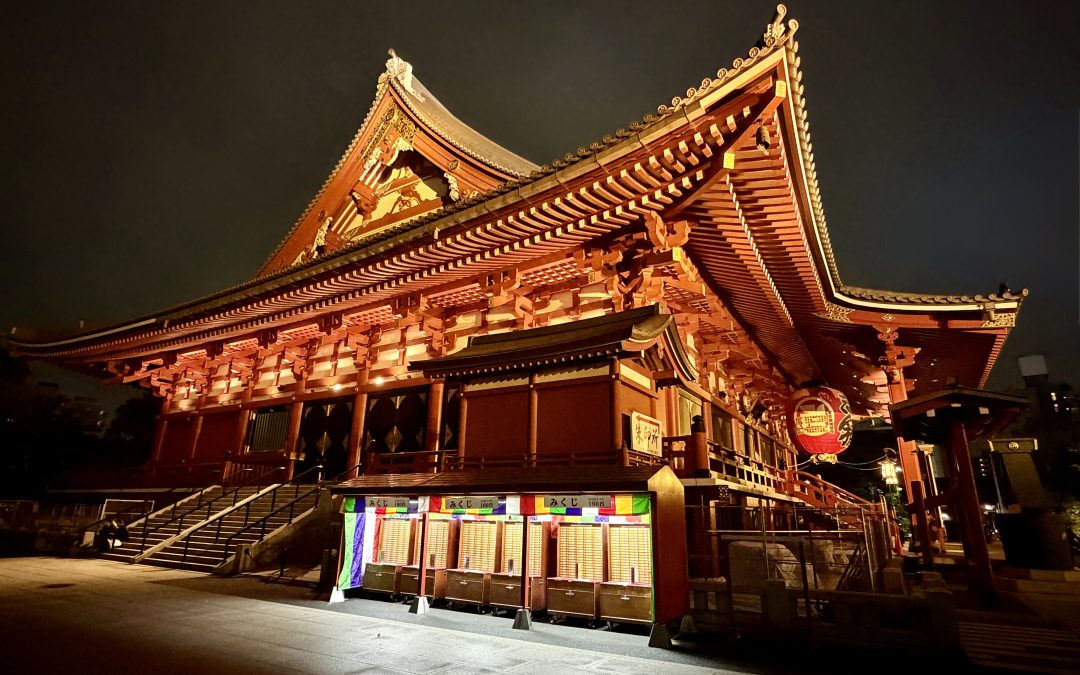
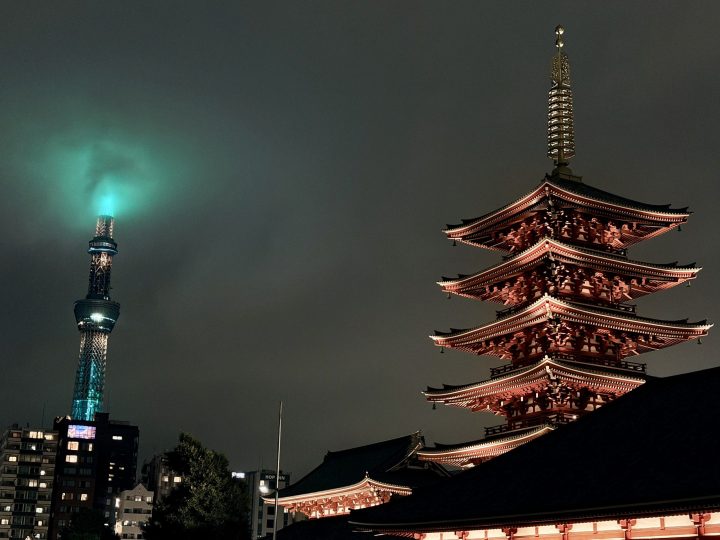
For this trip, I stayed at Asakusa Kokono Club Hotel and really liked Asakusa as a base. It felt calmer than Shibuya or Shinjuku, but still very well connected. For more about the hotel and the neighborhood, read my separate Asakusa blog here. I also liked that I could still walk around Asakusa in the evening, with Senso-ji close by and enough restaurants nearby without feeling like I was in the middle of Tokyo madness.
Day 1: Shibuya, Harajuku, and Shinjuku
Morning: Omotesando, Cat Street, and Meiji Shrine
Start the day in Omotesando and take the metro there. This area felt polished and expensive, with all the luxury brands, and that is just not really me. I love a boutique, but I prefer places that feel more original. Then I walked into Cat Street and that changed the mood immediately. Love this street!!!
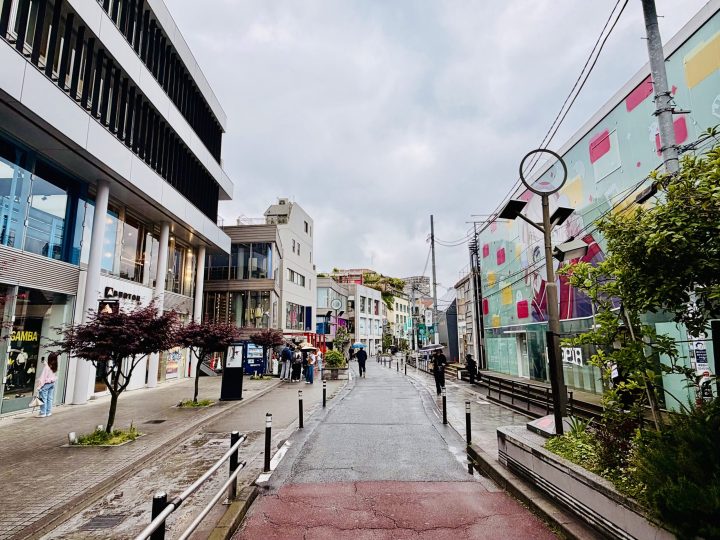
It was drizzling a little. Umbrellas everywhere, cool storefronts, and lots of good shops. There were brands like Patagonia and Puma, vintage stores, and even a hot running shoe store where people were lining up just to try things on. That made me laugh; Tokyo really does that to me sometimes. I had breakfast at The Roastery by Nozy Coffee. Trendy place, great coffee, and very good cake. Perfect start of the day!
From there, continue to Meiji Shrine. The mood changes straight away once you leave the shopping streets behind. The paths are wider and calmer, with much more green around you. Just before the main shrine, I noticed the two huge camphor trees tied together with a sacred rope. These are the Meoto Kusu, or husband and wife trees, and they are one of the best-known symbols at Meiji Shrine. I thought they looked very unique, and once you know what they mean, they stand out even more.
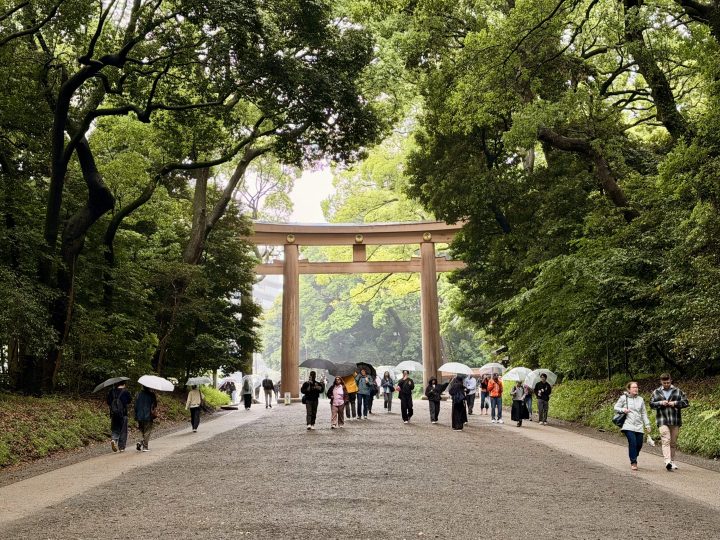
Don’t forget to bring your goshuin book stamped again here, which is still one of my favorite little Japan rituals.
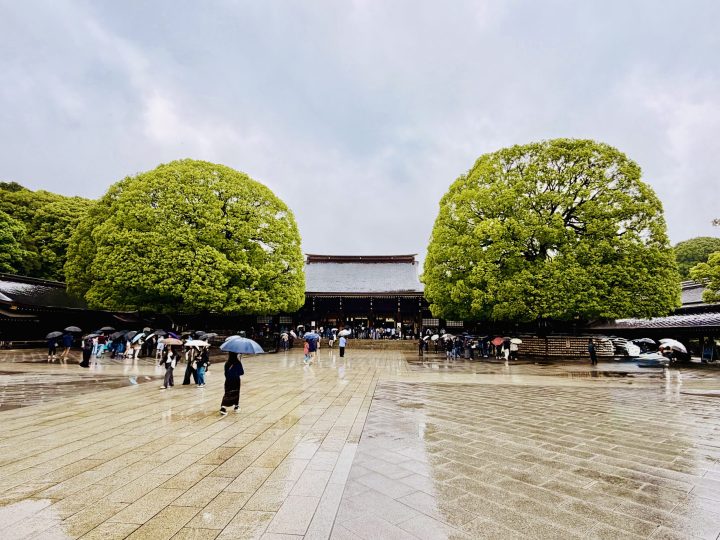
Midday: Harajuku and Shibuya Crossing
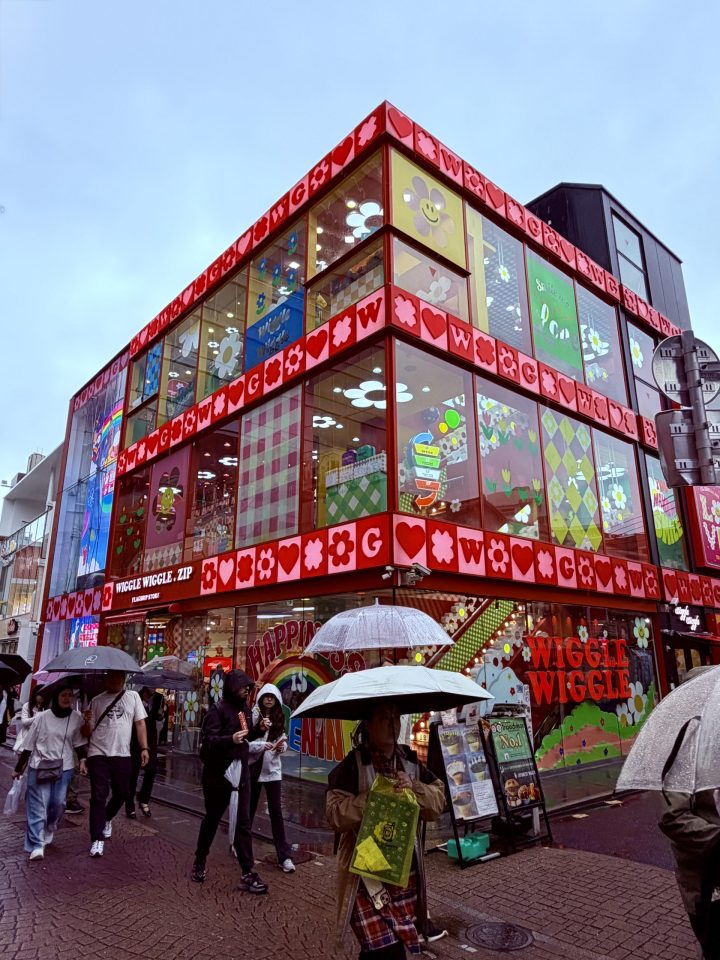
After Meiji Shrine you can walk into Harajuku. This is the neighborhood known for the girls, the unusual shops, and the quirky side of Tokyo. Takeshita Street is the main street and yes, it was very busy. I did see a few uniquely dressed girls, but honestly not as many as I had expected. I thought there would be more for some reason. There were also all kinds of odd little stores here, including pet shops with clothes for dogs and cats and even a place where you could cuddle piglets. I made a quick bubble tea stop as well, just to join in a little.
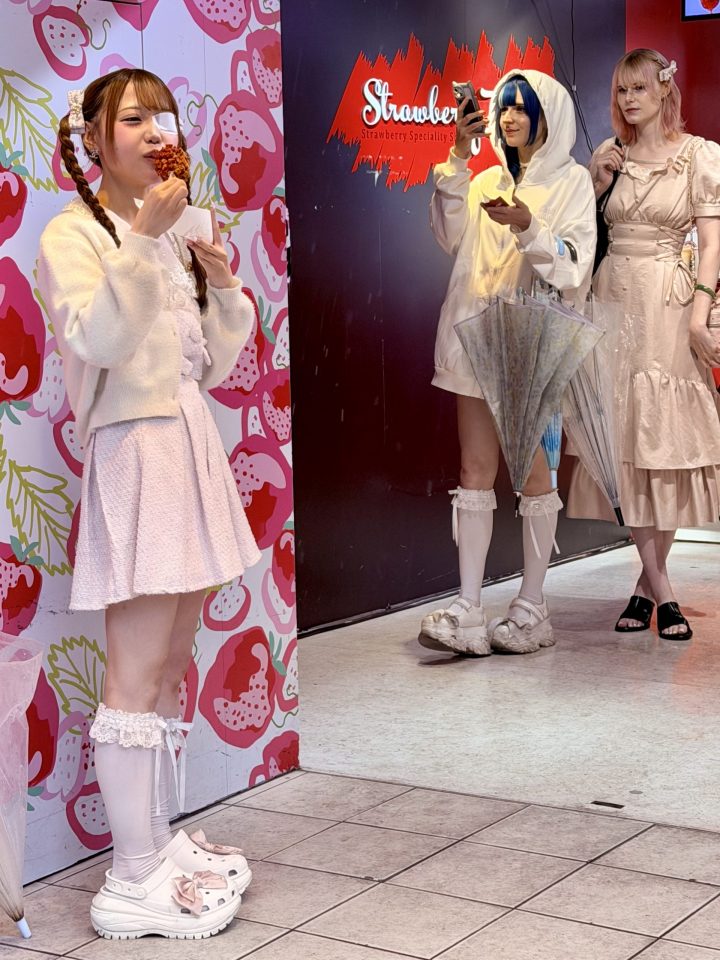
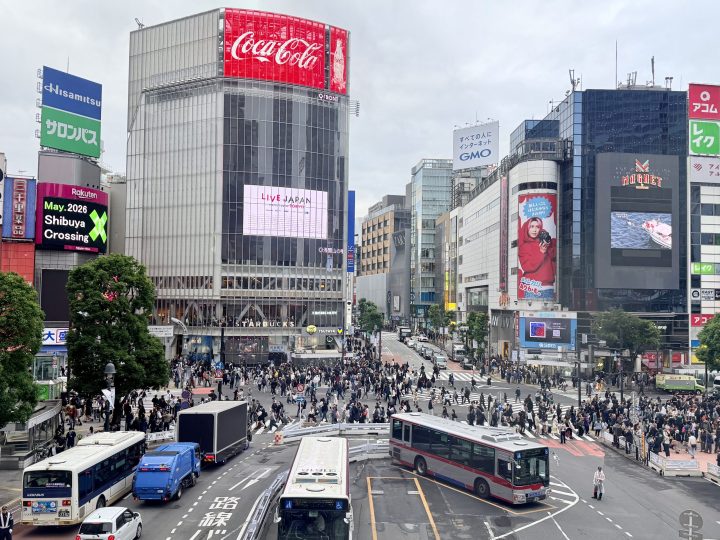
Shibuya Crossing was touristy, of course, but also really fun. Crossing with everyone else, filming, taking selfies, and then standing on the side for another look, it really did feel like the Tokyo I had imagined before I came. I also stopped at the Hachiko statue. The whole area felt busy and bright, and it gave me a lot of impressions at once. This was top Tokyo for me, at the same time, I was glad I was not sleeping here. I needed to process all of this after a few hours!!
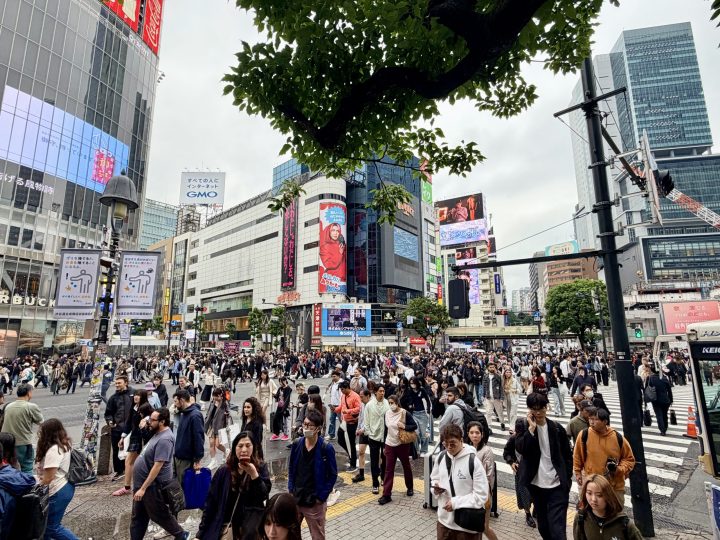
A good spot for an overview of Shibuya Crossing is around Shibuya Station. Some viewing spots are easier than waiting in line elsewhere.
Late afternoon: Shinjuku, Kabukicho, Omoide Yokocho, and skyline views
By late afternoon I took the metro from Shibuya Station to Shinjuku. Even more hysteria here. Time for a drink and ended up around the tiny bars of Golden Gai in Kabukicho. Some places charge JPY 1,000 just to enter and only fit five to ten people. It was funny to see, but also a little grimy in parts.
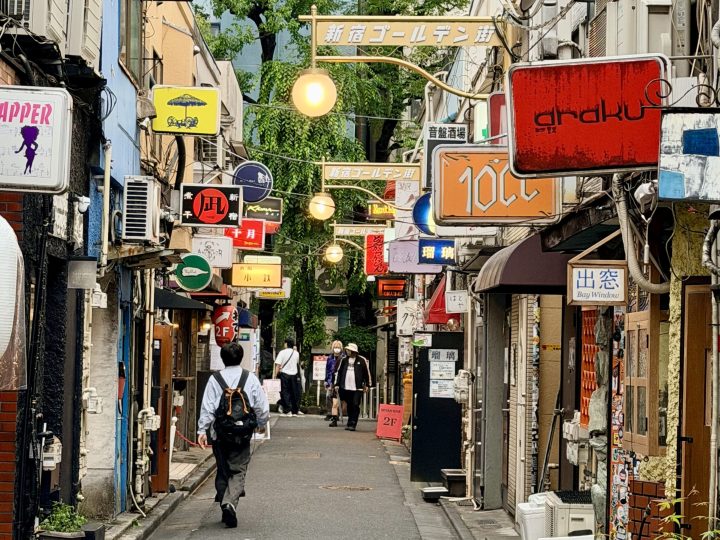
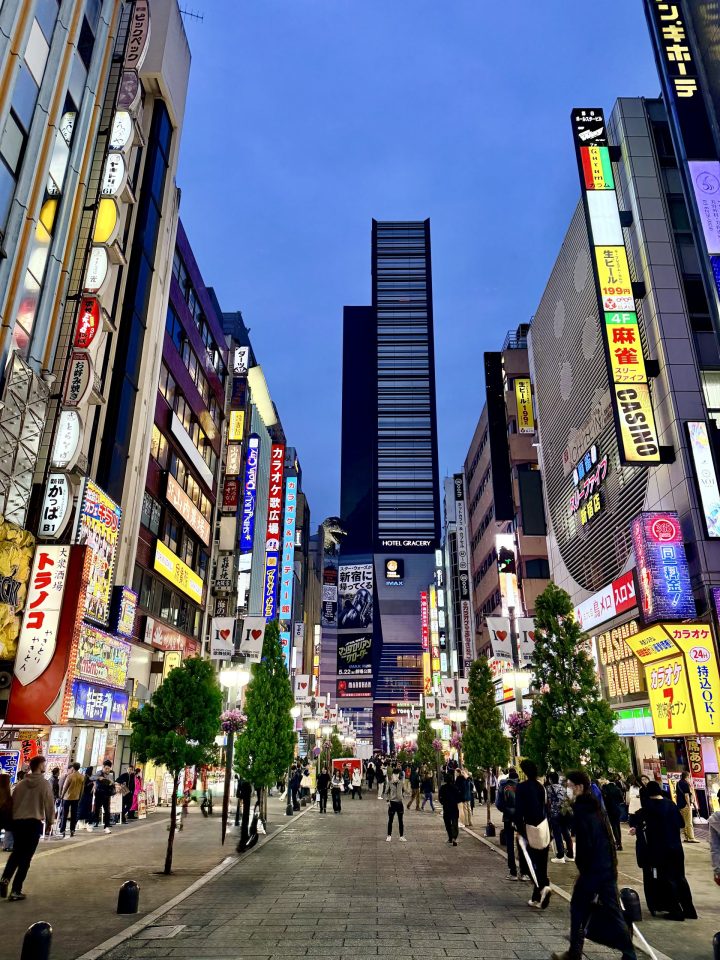
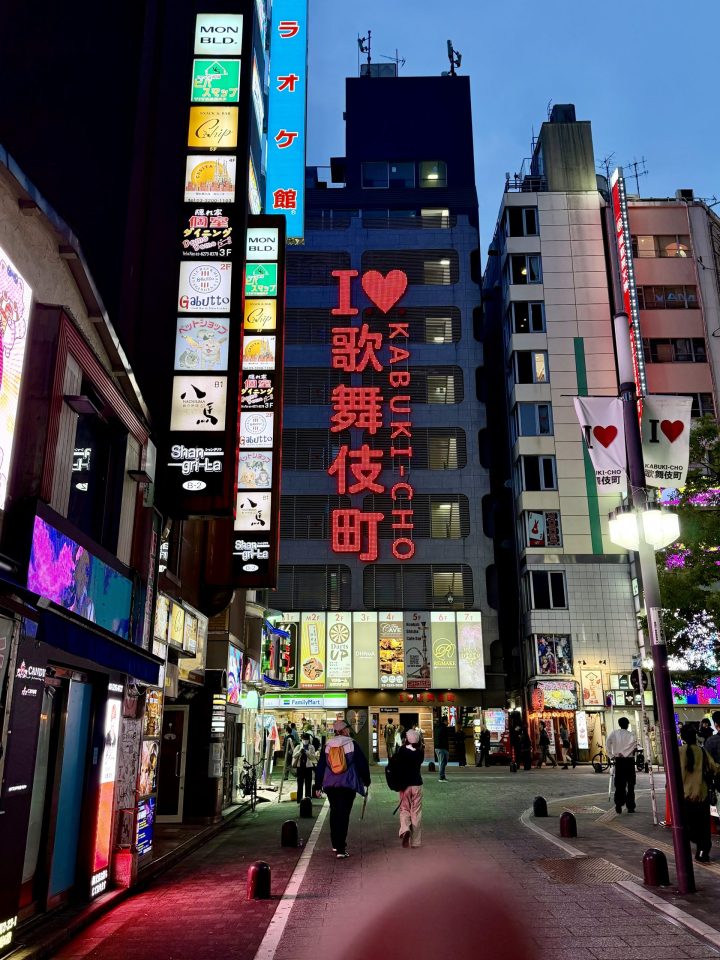
When I walked a bit further and saw the hotels where you can rent rooms by the hour, it was the first time in Japan that I did not feel fully comfortable anymore. So I moved on again and walked through the brighter part with giant billboards, traffic, and all the chaos. That part suited me better. I also passed the I Love Kabukicho sign and the very busy central streets near the cinema, and that felt like full-on Tokyo overload again.
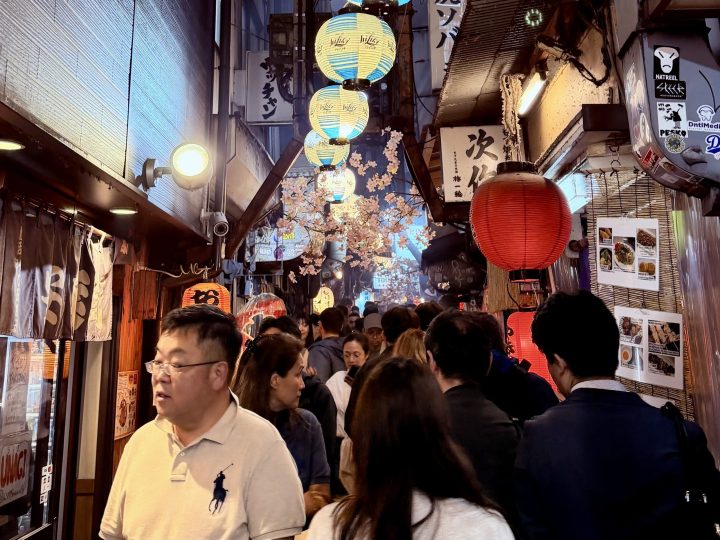
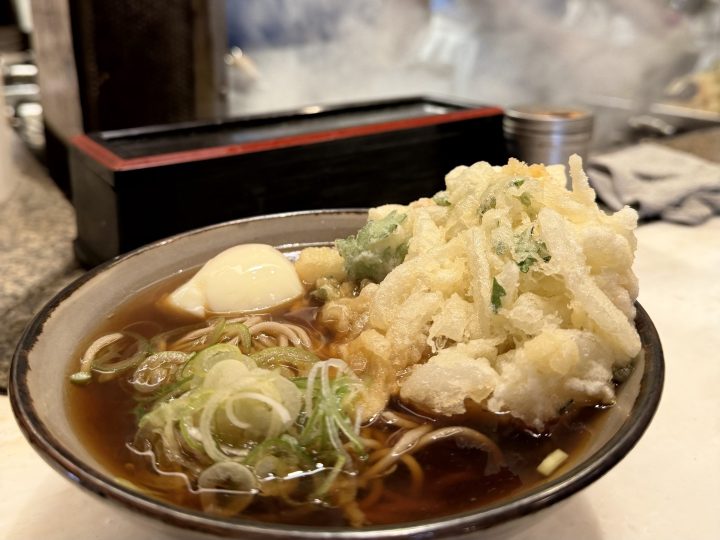
Continue to Omoide Yokocho, also called Memory Lane. I liked this much more; small narrow streets, lanterns overhead, tiny food places, and a cozy feeling in the middle of all that city chaos. Order tempura soba at the counter at Kameya Shinjuku for around JPY 600. It was so good, and you will not regret it!
Then it was time for one last big walk from Omoide Yokocho to the Tokyo Metropolitan Government Building. Most people come here for the free observation deck and skyline views. Outside there was already a light show, but I first got in line to go up. It took about half an hour. The elevator takes you up to the 45th floor. With my fear of heights, that already felt like a small challenge, but once I was up there, the view was so worth it. Everywhere you look, lights, lights and more colors of lights, how amazing! Tokyo is huge!!
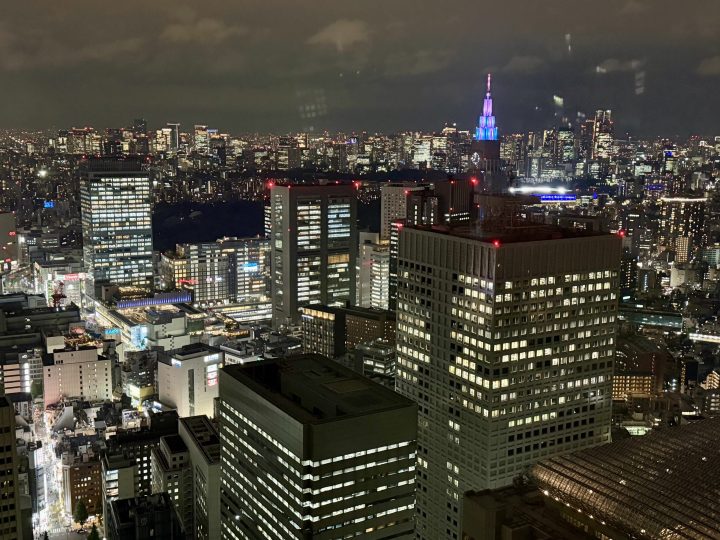
The Tokyo Metropolitan Government Building is free to visit, so this is a great skyline option if you do not feel like paying for Tokyo Skytree.
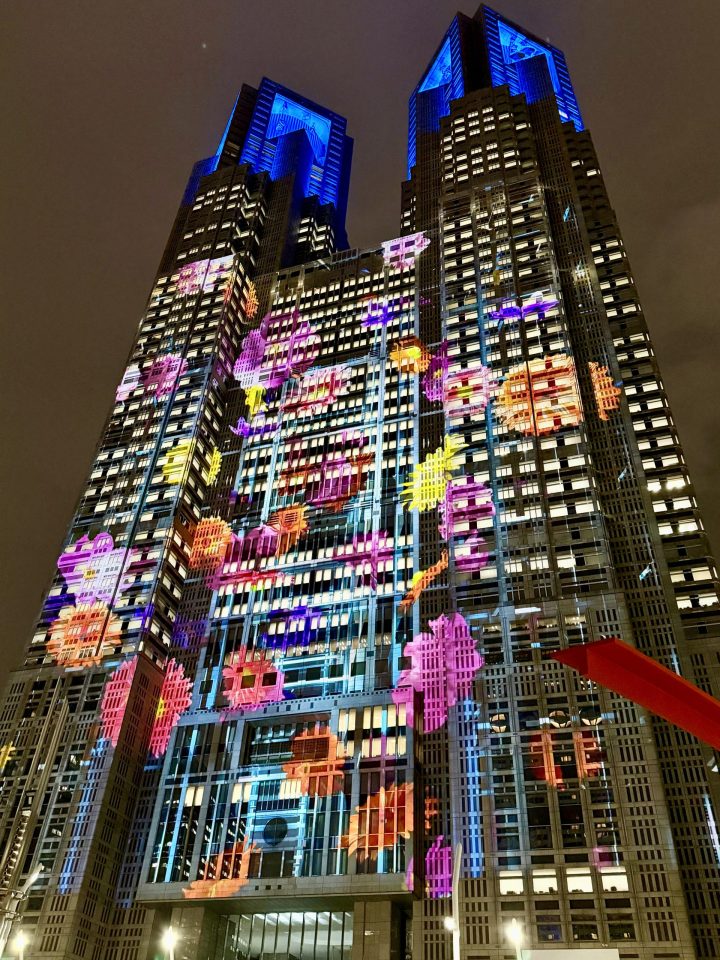
No more rain, the entire city stretching out in front of me, and somehow no real fear anymore. I was back downstairs around 8:30 PM where I had the last glim of the lightshow on the building. Then took the metro straight back to Asakusa. Dead tired, around 25,000 steps in, and completely impressed by Tokyo.
Day 2: Tsukiji Market, Ginza, Akihabara, and Ueno
Morning: Tsukiji Market and Hamarikyu Gardens
Start day two by taking the metro toward Higashi-Ginza and have breakfast in Ginza at Honolulu Coffee. A cappuccino and an acai bowl with a view toward Kabuki-za honestly makes everyone happy.
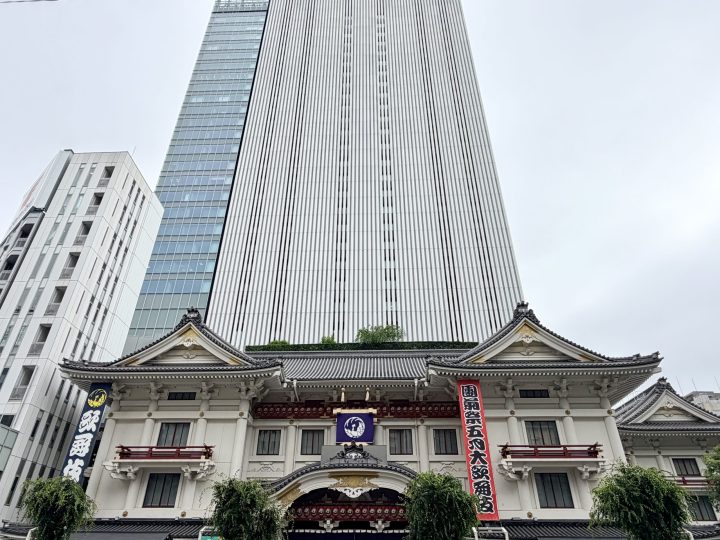
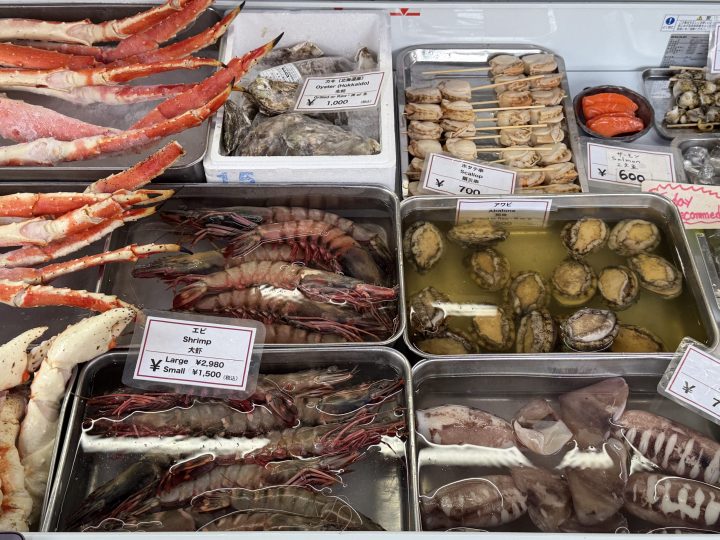
From there, it is not too far to walk to Tsukiji Outer Market. This is no longer the actual fish auction, as the wholesale market and tuna auction moved to Toyosu in 2018. Tsukiji Outer Market is now more the food market where everyone comes to eat, browse, and look around. I liked it, but I also have to be honest, I am not eating fresh fish at ten in the morning.
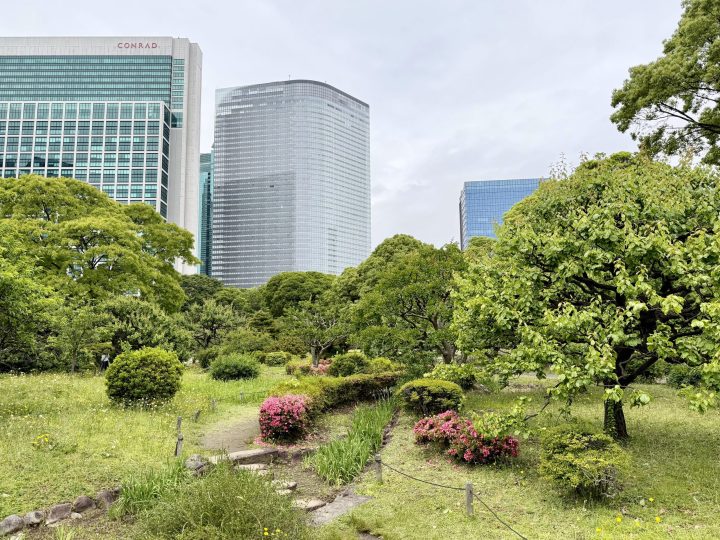
After that I continued to Hamarikyu Gardens. I really liked this stop. The garden and water in between all the high-rise buildings make it feel very Tokyo. It is a good place to slow down after the busier market area, so I would definitely add it if you have enough time.
Midday: Ginza luxury and design
Later it is nice to go back to Ginza for another coffee stop at Roar Coffee and some shopping at the Ginza Six mall. On weekends and public holidays, Chuo-dori turns into a pedestrian zone with chairs and parasols set out on the street. Even if you are not shopping for designer brands, I still think this part is worth it for the architecture alone.
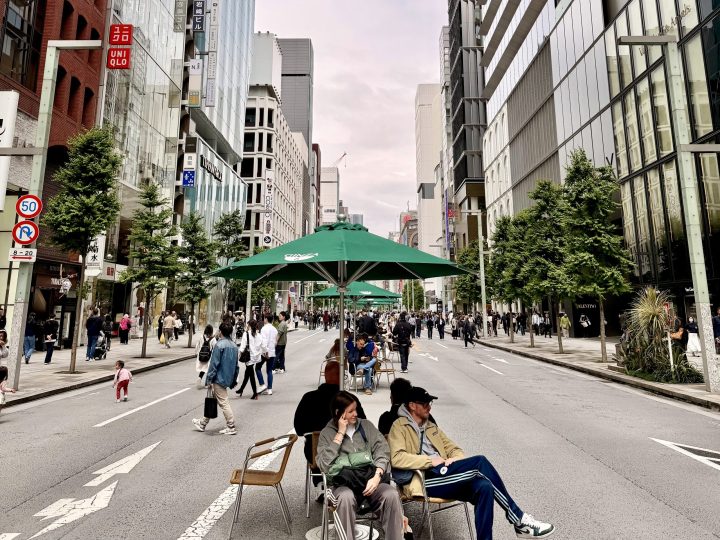
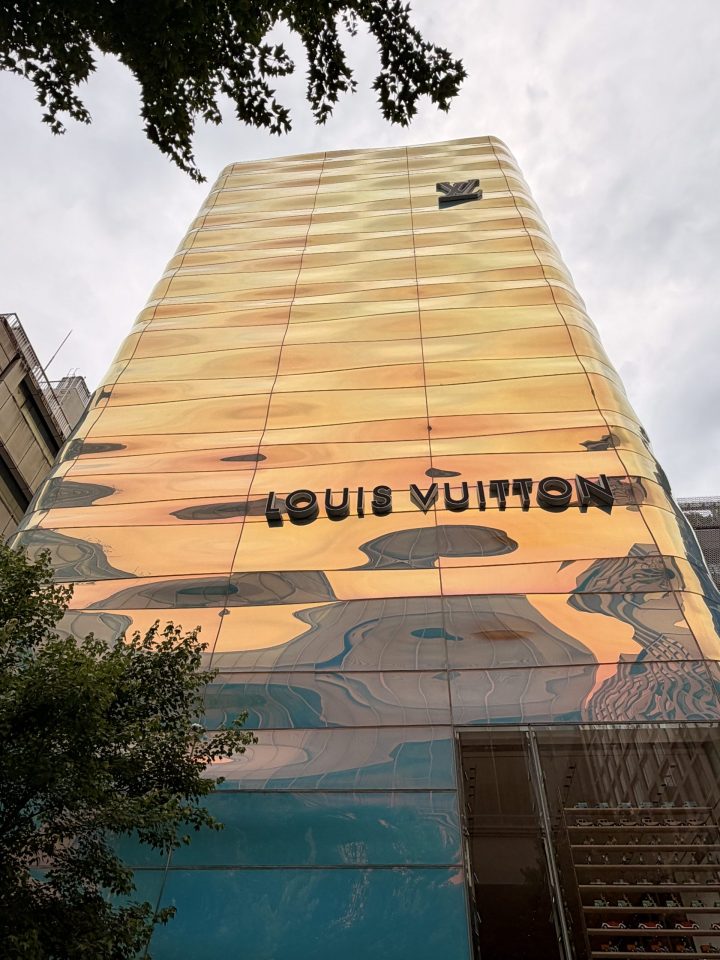
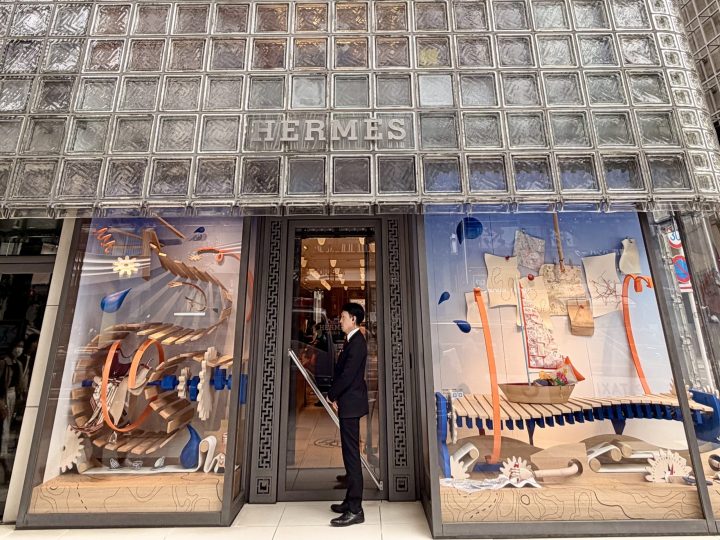
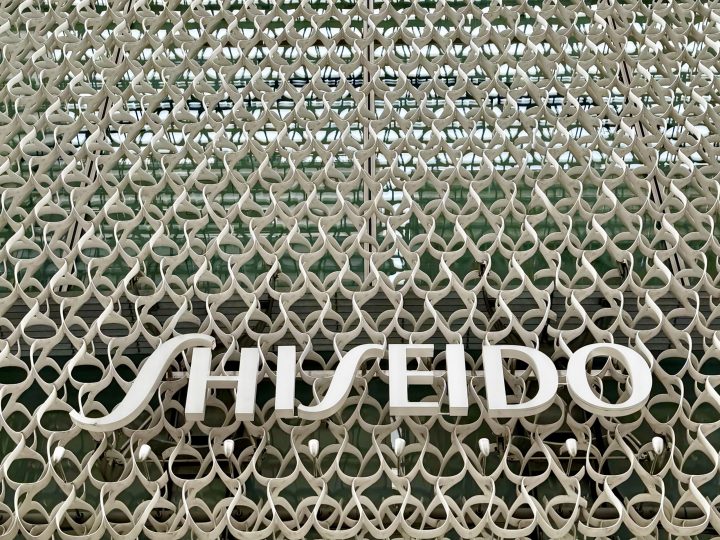
Great to admire and be amazed by the money on the buildings of Shiseido, Hermès, Gucci, the big Zara, Louis Vuitton, Chanel, and all the polished storefronts in between. My god, what a luxury. There was also a crossing here with several crosswalks at once that I almost liked more than Shibuya Crossing. What do you think of these buildings?
Late afternoon: Akihabara and Ueno
From Ginza you take the train to Akihabara Electric Town. If you want electronics in Tokyo, this is the place. Japanese brands like Sony and Fujifilm can sometimes be cheaper here than at home, especially with a favorable exchange rate and tax-free shopping, but it is worth checking prices before you go.
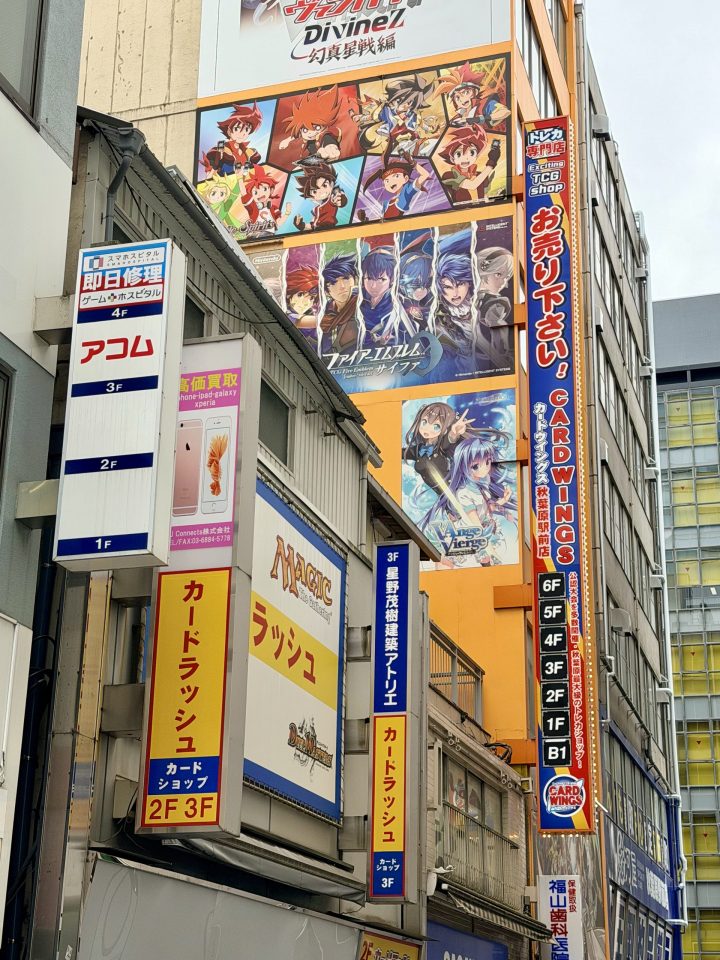
Bring your passport if you want to use tax-free shopping. From November 2026, Japan is changing the system, so you may need to pay the full price first and claim the tax refund when leaving the country.
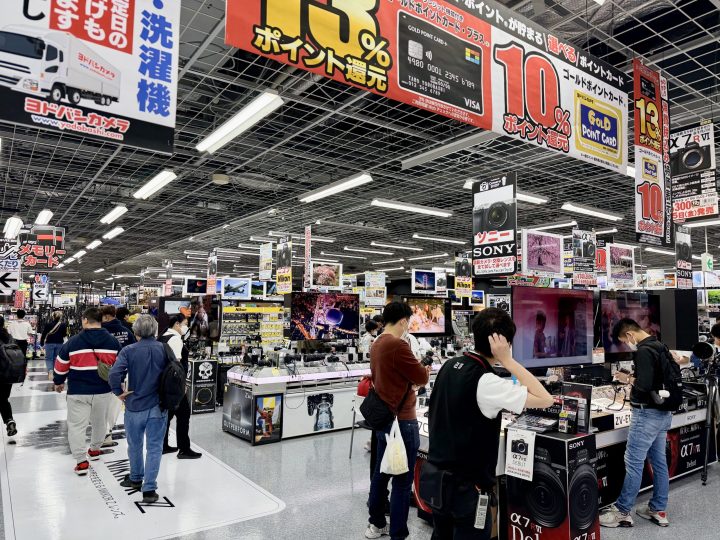
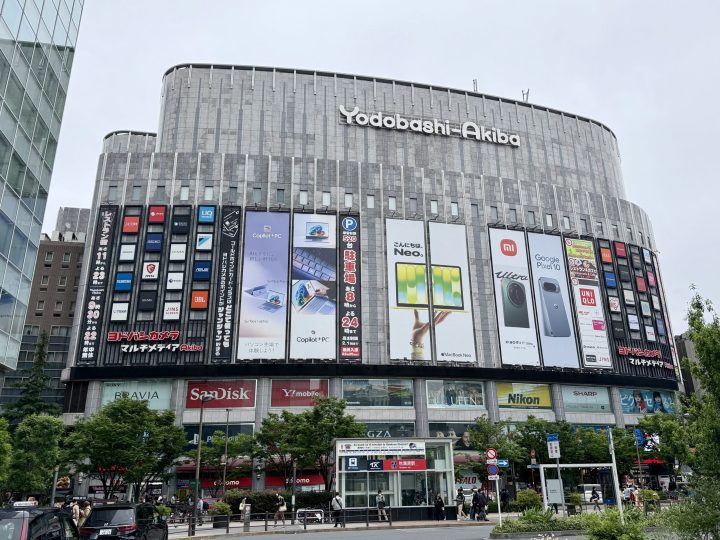
But prepare yourself if you actually want to buy something. It is overwhelming here, with endless choice, huge stores, and a lot of noise. I had not prepared myself properly for a serious electronics purchase and still ended up going home with a DJI gimbal, basically a deluxe selfie stick, which I had not even planned to buy. That is exactly what happens here. Floors full of cameras, gadgets, lights, gaming gear, accessories, and things you did not even know you might need. Yodobashi Akiba is already huge, but it is only one of many electronics stores here. Think that times ten. It is really the place to go, but come prepared. It saves time, money, and stress.
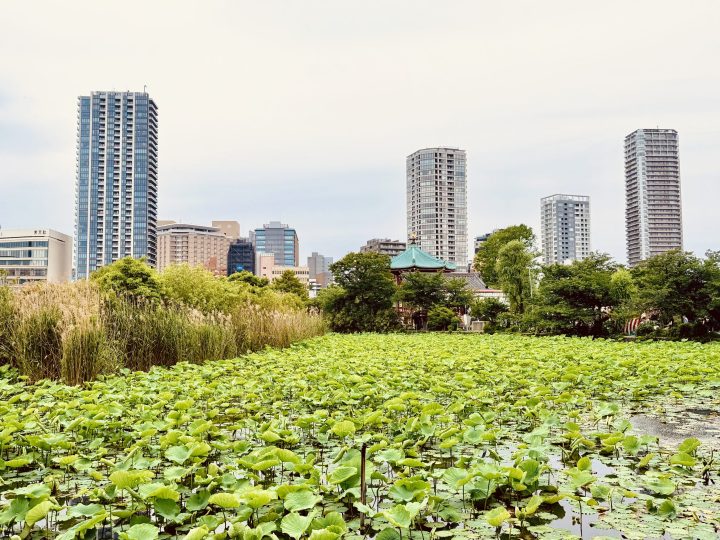
From Akihabara I walked on toward Ueno and passed one of those very fun shopping stretches under the train tracks. I loved that setting. Tokyo really uses every square meter, and this was such a good example. Then I arrived in Ueno. By that point I had almost forgotten to eat again because there was just so much to take in. Ueno felt a little broader and calmer than the other neighborhoods that day.
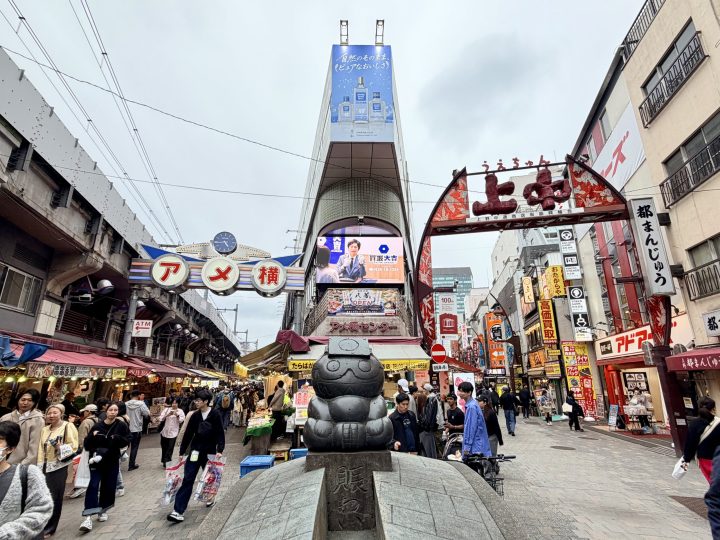
It is known for Ueno Park, Shinobazu Pond, temples, museums, and a more local feel around the station and market streets. It also has a bit more of that old Tokyo feel, which I liked after all the noise and flashing screens. After that I was more than ready to head back to Asakusa for a quiet evening at the hotel. Back in Asakusa and back at the hotel after another 25,000 steps, I was more than ready to put my feet up.
Day 3: Odaiba and modern Tokyo
Morning: Odaiba Marine Park and bay views
On the last full day take the train toward Odaiba-Kaihin-Koen. The route already feels different because you leave the denser city behind and head more toward the bay. I started with breakfast at Island Vintage Coffee Odaiba. Again a cappuccino and acai bowl, with a nice view over the water and the Tokyo skyline in the distance.
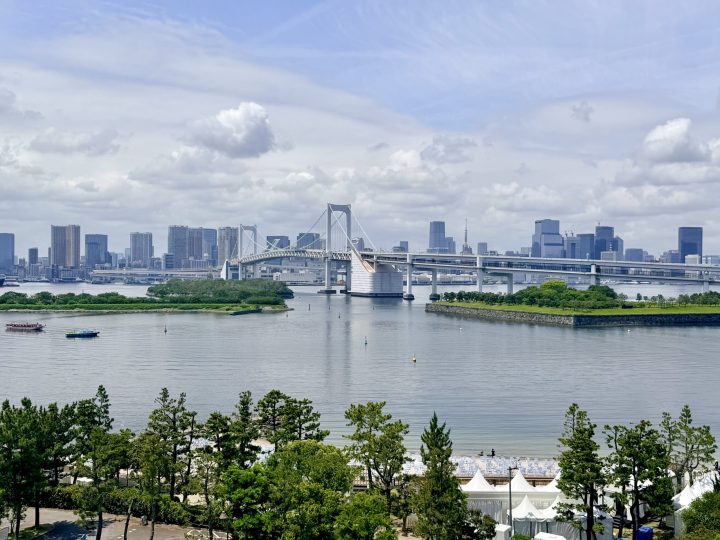
After two intense city days, this part of Tokyo felt much lighter. It felt wider and more open. There is also a big mall here, Decks Tokyo Beach, so yes, you can shop here again.
Walk up to the BBQ Play Ground at Decks Tokyo Beach for an even better view over the bay and the skyline.
Midday: Statue of Liberty, Aqua Symphony, and random Tokyo moments
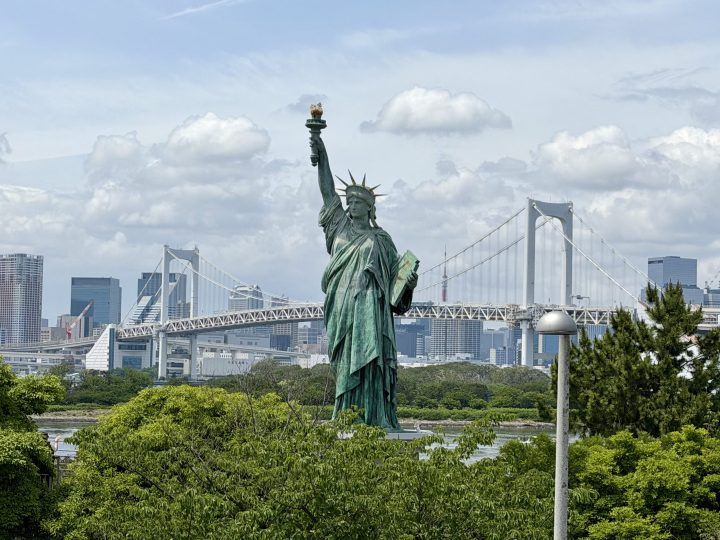
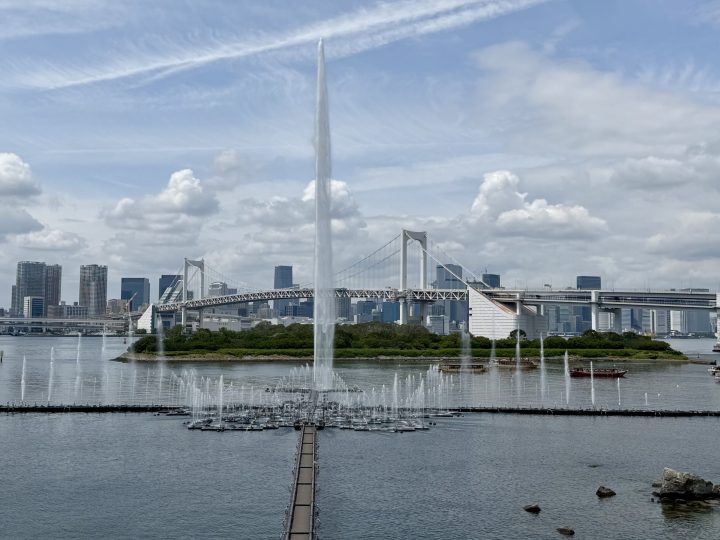
From there I walked toward the Statue of Liberty replica. It was placed here as a tribute to the relationship between France and Japan, which is a fun detail. I really had one of those moments there where I thought, New York eat your heart out, Tokyo it is. I also arrived just in time for the Tokyo Aqua Symphony, with a water show set up in the bay. Nice to see with the Tokyo skyline behind it.
If you want to see the Tokyo Aqua Symphony, check the current schedule before you go. Shows can change or be temporarily suspended.
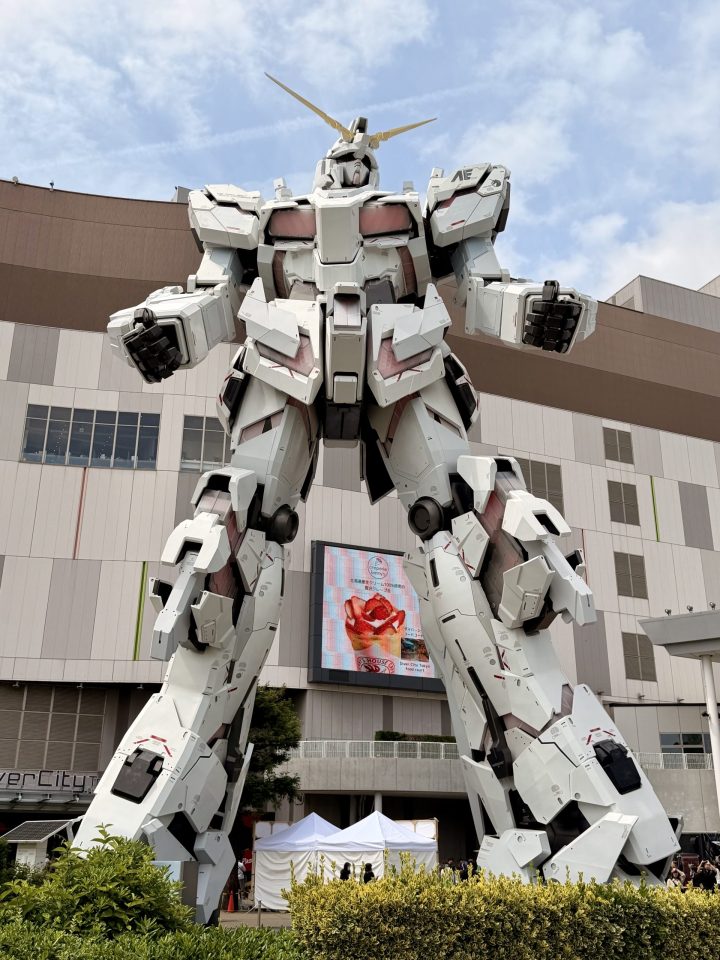
Then I continued over the promenade past more modern buildings and open spaces. Odaiba feels very different from the other neighborhoods in this itinerary. More open and modern. There was also a giant robot near the mall, because of course there was. Japan is crazy!!
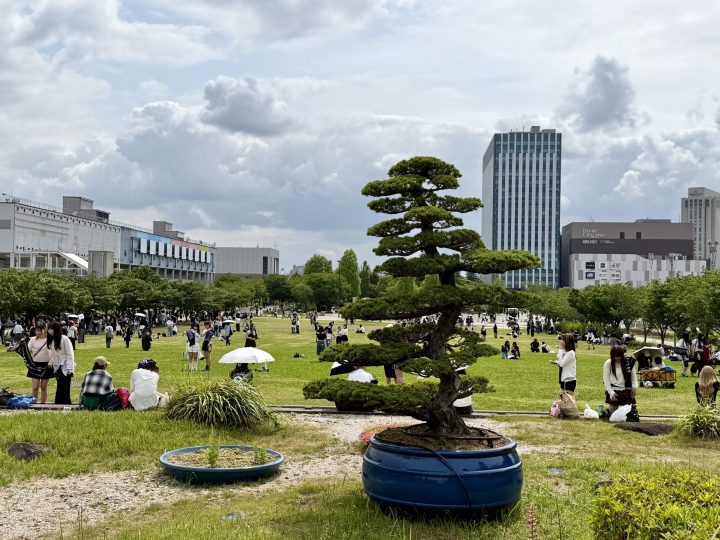
Completely by chance, I also walked into the atmosphere around a Japanese boy band performance. Lots of young girls dressed up, with scarves and fan gear, all very excited. It was such a random and funny thing to see, and exactly the kind of random moment I love about traveling.
Afternoon: Tokyo Big Sight and back to Asakusa
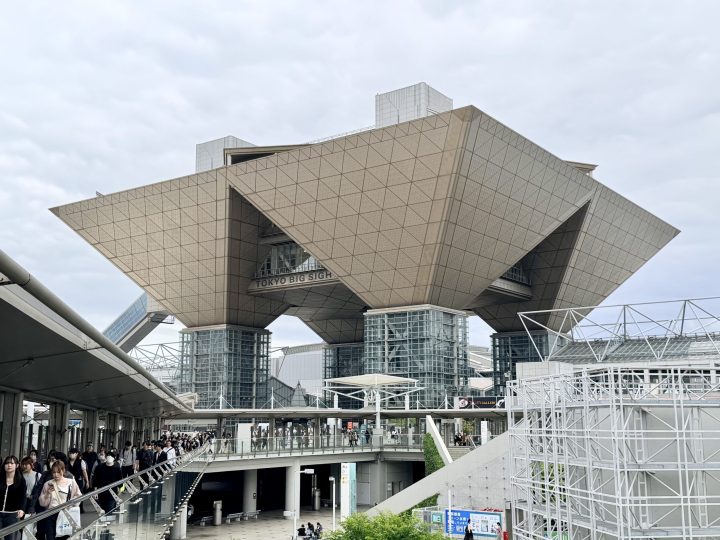
From there I walked on toward Tokyo Big Sight. It is known for its striking conference tower shaped like an inverted pyramid. Such a strange building, and very Tokyo. There was clearly something going on when I was there, because it was busy again with lots of young people and activity around it. There was also a kind of giant saw sculpture in the garden, which added to the whole strange futuristic feel of the area.
After that it was time to head back toward Asakusa. If you stay somewhere else, you could also add Asakusa at the end of this day for the evening. And if you still have energy left, you could always stop in Ginza again on the way back for dinner.
This third day felt very different from the first two days because everything was more spread out and open.
Is 3 days enough in Tokyo?
Yes, I think three days is enough in Tokyo for a first trip if you accept that this is just an introduction. I actually had three and a half days and four nights, and that felt like a good amount of time to see the main highlights without burning out completely. Tokyo is huge, and no itinerary will cover it all. But three days is enough to get a real first impression and see how different the neighborhoods feel from one another. If you have a fourth day, I would either slow the pace down or add something completely different.
Practical tips for your Tokyo 3 days itinerary
Tokyo is easy to navigate once you trust Google Maps, but do not underestimate how much walking you will do. The stations can feel huge, and an IC card makes life a lot easier.
The easiest way to plan 3 days in Tokyo is by grouping neighborhoods together instead of crossing the city all day.
If you want to shop, bring your passport for tax-free shopping and think a little in advance about what you actually want to buy, especially in Akihabara.
Leave some space in your day. Some of my favorite moments in Tokyo were not planned at all, including a little extra time for sneaker shopping.
FAQ about a Tokyo 3 days itinerary
Is 3 days enough in Tokyo for a first trip?
Yes, 3 days in Tokyo is enough for a first trip if you plan your days by neighborhood and accept that you will not see everything. You can get a strong first impression of the city, but you will still need to make choices.
Where should you stay in Tokyo for 3 days?
I really liked Asakusa as a base because it felt calmer but was still easy to get around from there. For more about the hotel and the neighborhood, read my separate Asakusa blog here.
Is Tokyo overwhelming for first-time visitors?
Yes, it can be. That is exactly why I liked having a clear route and a calmer place to stay.
What should you not miss on a Tokyo 3 days itinerary?
For a first trip, I would not skip Shibuya Crossing, Meiji Shrine, Shinjuku, Tsukiji Market, Ginza, and one more modern area like Odaiba.
Let Me Inspire You Takeaways for Tokyo!
This itinerary works well if you like to stay active and see a lot in a short time. What stayed with me most is how fast Tokyo kept changing. One moment I was at a quiet shrine, and later the same day I was standing between giant screens and crowds at Shibuya Crossing.
Where to go after Tokyo
If Tokyo is part of a bigger Japan route, this itinerary works well both ways. You can end in Tokyo like I did, after Osaka, Kyoto, Takayama, and Fujikawaguchiko. Or you can start in Tokyo and continue to Fujikawaguchiko afterwards for Mount Fuji views and a much calmer pace. That contrast works really well. Tokyo is big, bright, and busy. Fujikawaguchiko feels slower, with lake views, mountain scenery, and more space to breathe.
You can also read my full Japan route here, or continue with my Asakusa blog if you are still deciding where to stay in Tokyo.