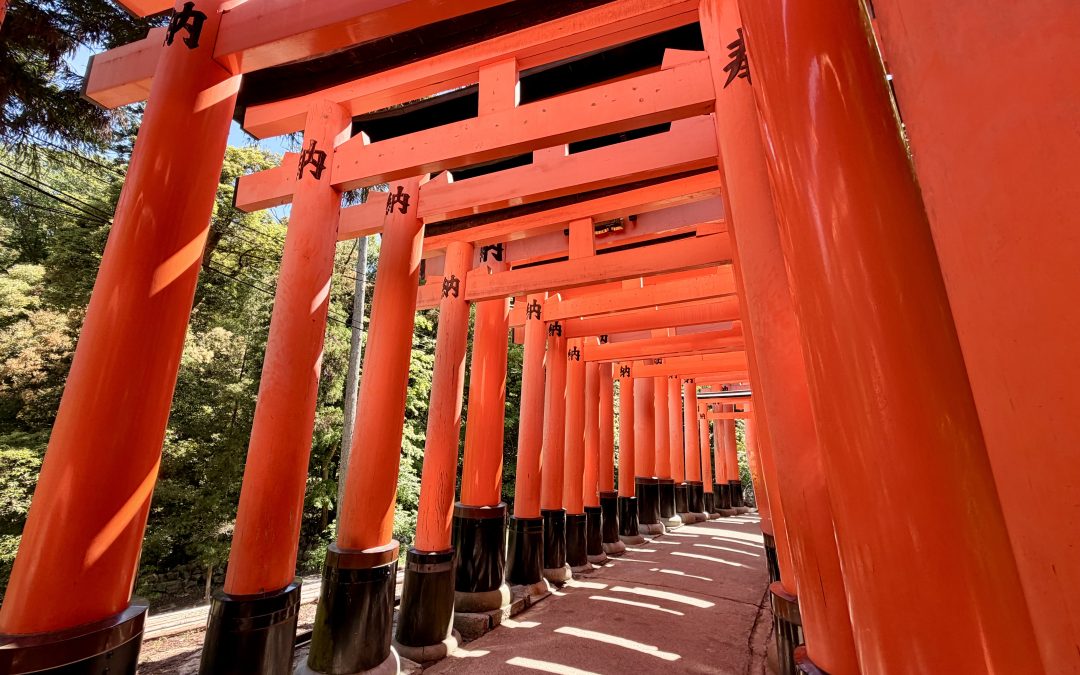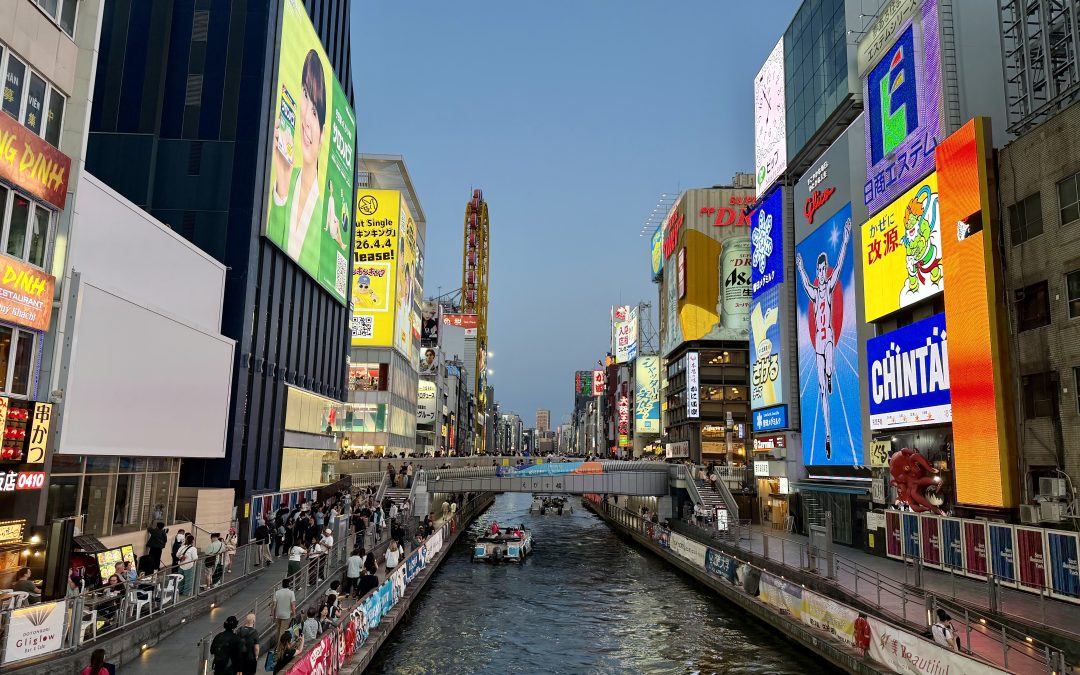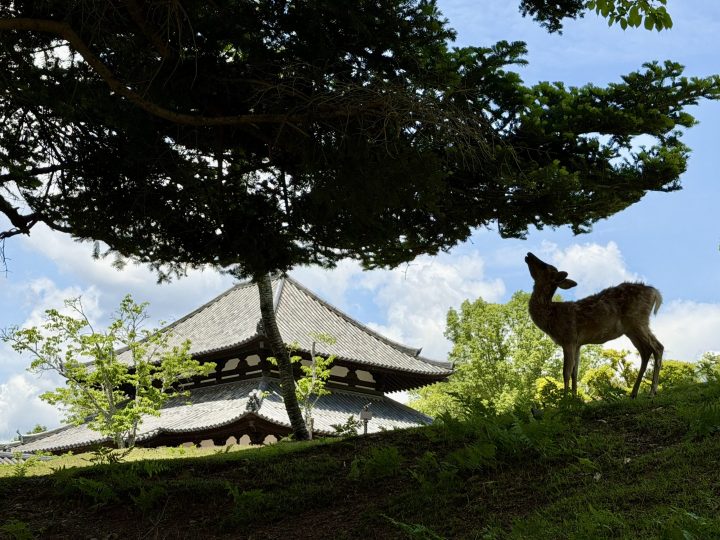
Yes, Nara is worth visiting. If you want a day trip with history, temples, sacred deer, and a calmer pace than Kyoto or Osaka, this is such a lovely one. Nara, then known as Heijokyo, was Japan’s first permanent capital before the capital eventually moved to Kyoto, and you still feel that old soul when you walk through the park. It is home to both important Buddhist temples, like Todai-ji and Nigatsu-do, and famous Shinto shrines such as Kasuga Taisha. Nara is an easy day trip from both Kyoto and Osaka. If you are wondering what to see in Nara in one day, Nara Park, Todai-ji, Kasuga Taisha, and the famous Nara deer already give you more than enough for a full and very beautiful day.
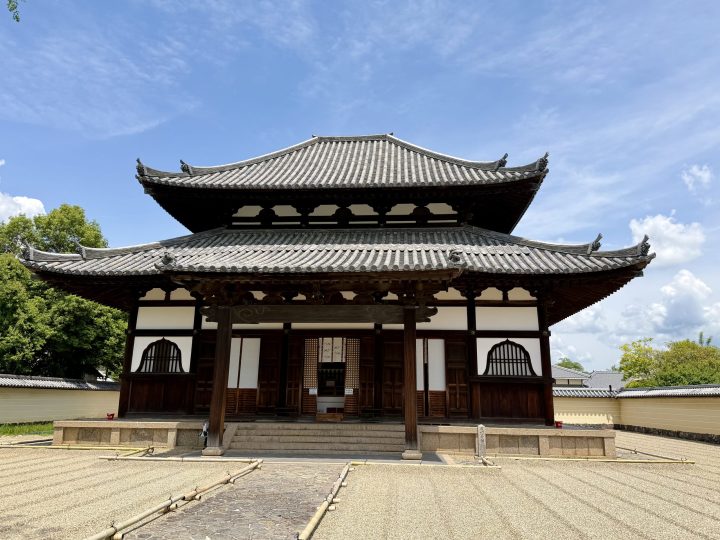
How to get to Nara from Kyoto or Osaka
From Kyoto, the JR Miyakoji Rapid is one of the easiest options and usually takes around 45 minutes to JR Nara Station. A regular one-way JR ticket is around JPY 720. If you want to compare train times before you go, you can check routes to Nara via 12Go. If you choose Kintetsu instead, the fare and arrival station can be slightly different, so check Google Maps before you go. From Osaka, you can also go easily by JR or Kintetsu. Kintetsu from Osaka Namba to Kintetsu Nara is often the quickest and usually takes around 35 to 45 minutes, with a regular one-way fare around JPY 680. JR from Osaka is often a little slower and usually costs a bit more.
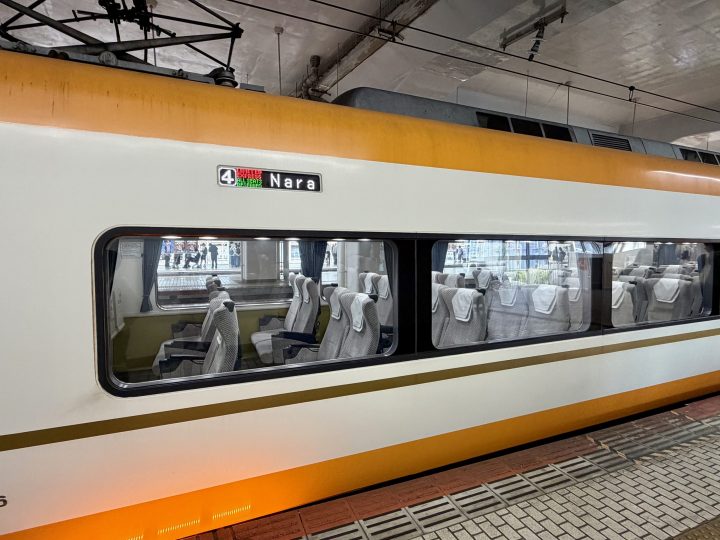
Kintetsu Nara Station is closer to the park, while JR Nara Station gives you a slightly longer walk in. I liked the train ride from Kyoto a lot. You pass fields, little villages, bridges, and that quiet mix of locals and tourists that makes train travel in Japan so nice to watch.
Some Kintetsu Limited Express trains need an extra limited express ticket on top of the regular fare. I could luckily sit down and pay on the train, but it is better to check this before you board.
Coffee first, then Nara Park
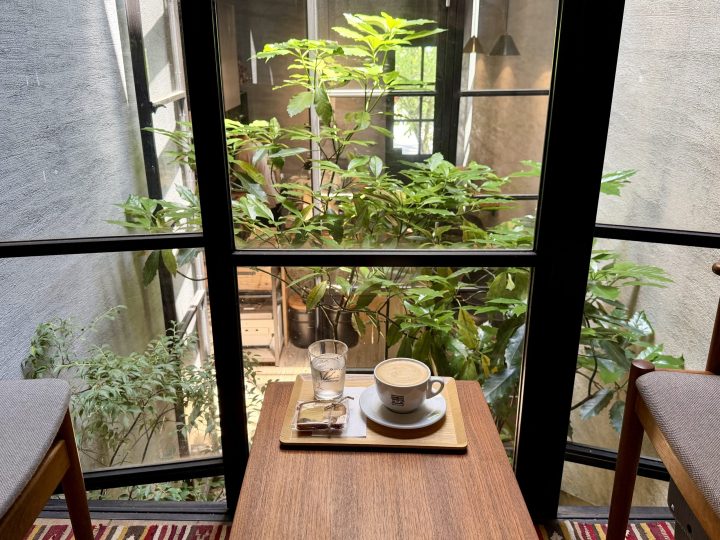
After arriving, I did not walk straight into the busiest part. First came coffee at Norr Coffee Roasters, tucked away in a quiet residential area behind the park. Everyone seemed to walk one way, and I went the other, which turned out to be such a good decision. It gave the day a quieter start and took me out of the crowds for a moment. From there I walked toward Todai-ji, and along the way I saw my first deer. At that point I still had no idea how many there would be.
Why are there so many deer in Nara?
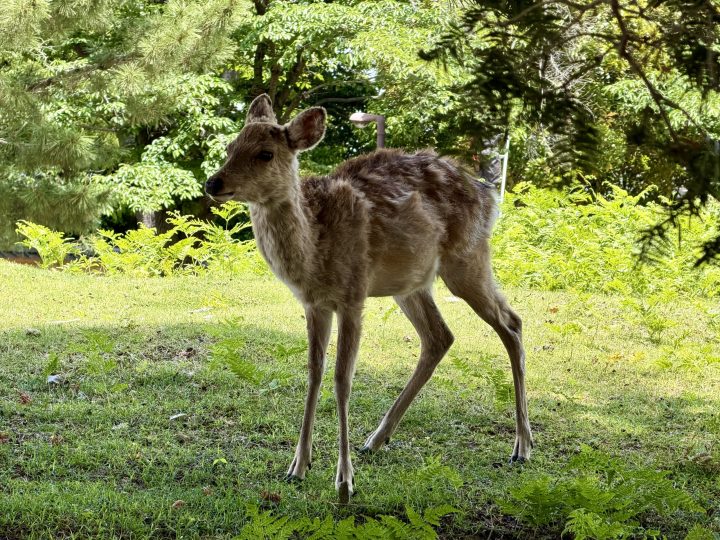
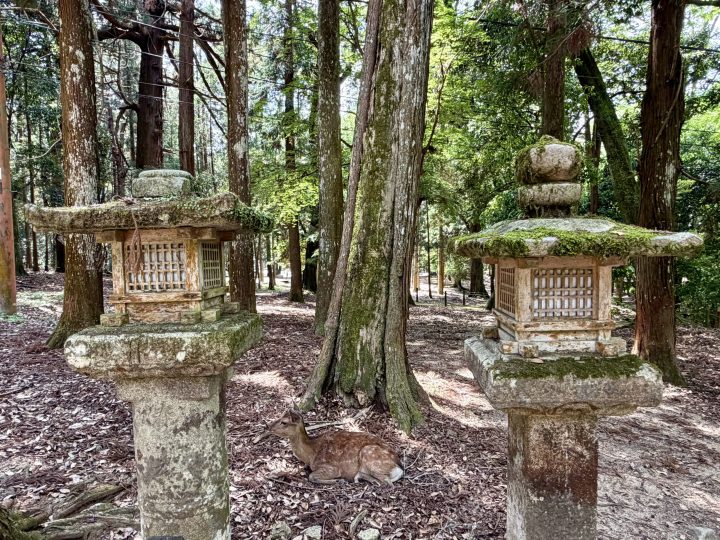
The deer in Nara are not only there for tourists. They are linked to the sacred history of Kasuga Taisha and have long been seen as messengers of the gods. That is part of why they feel so woven into the city. They are not hidden in one corner of the park either. The deer are everywhere.
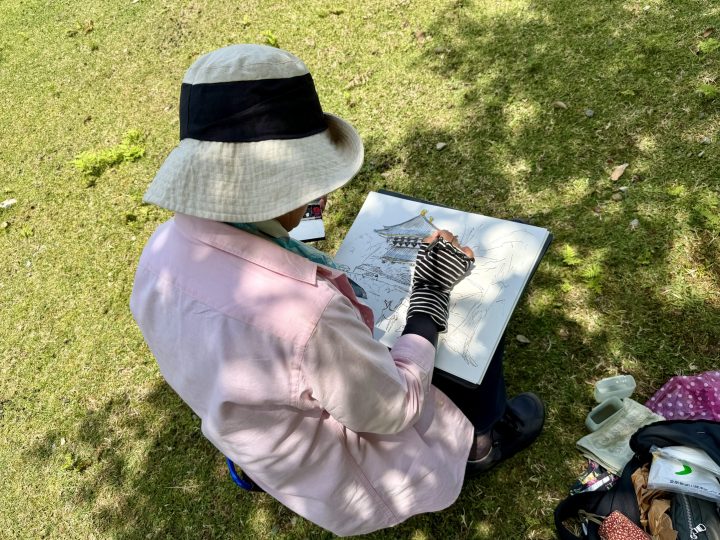
One thing I really liked was seeing local painting groups and school classes in the park. It made the whole area feel even more alive. If you like sketching, or just want to sit somewhere quietly for a while, this is such a lovely place for that.
Todai-ji and the Great Buddha Hall
Todai-ji was the first moment that really stopped me in my tracks. The grounds are beautifully laid out with open lawns, and even though it was busy, it never felt unpleasant. I understood immediately why so many people come here.
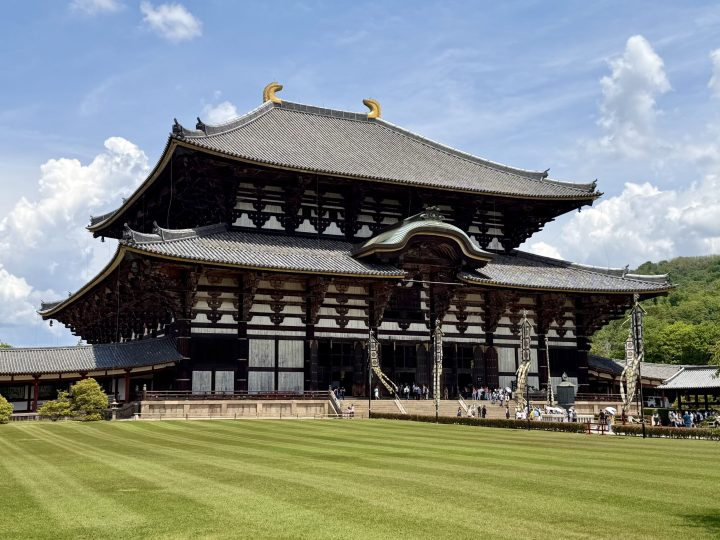
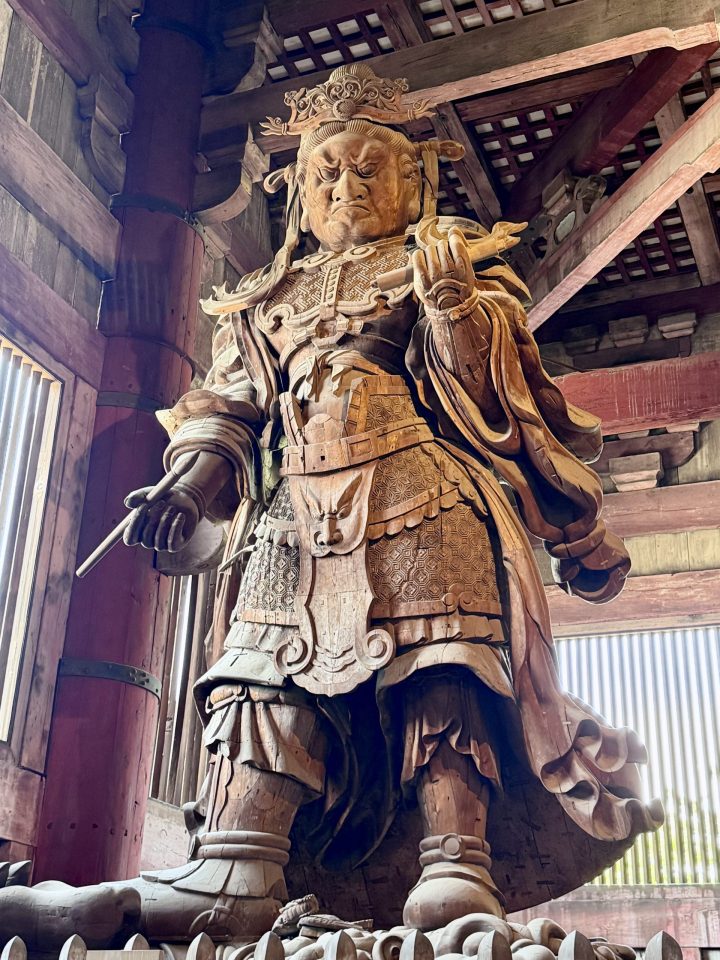
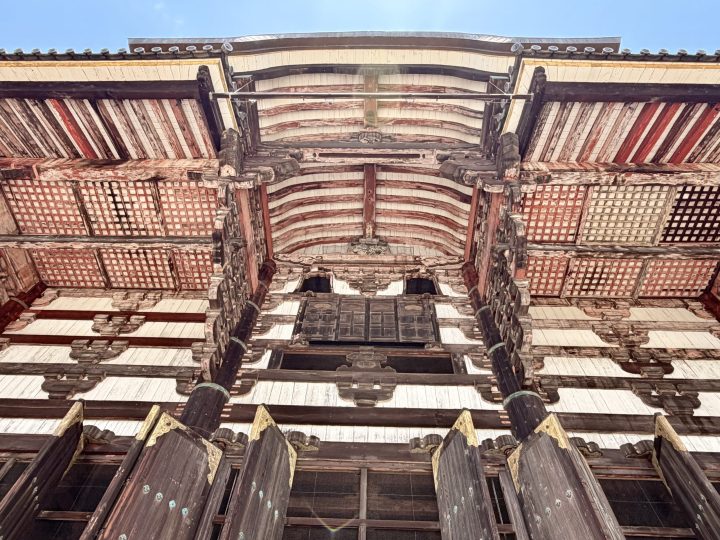
The temple is one of the most important in Japan, and the Daibutsuden, the Great Buddha Hall, is still one of the largest wooden buildings in the world. The entrance fee for the Great Buddha Hall is JPY 800 for adults, which I think is very fair for a place this impressive. There is also a combined ticket with the museum if you want to see more, but for a one-day Nara itinerary, the Great Buddha Hall alone already feels worth it.
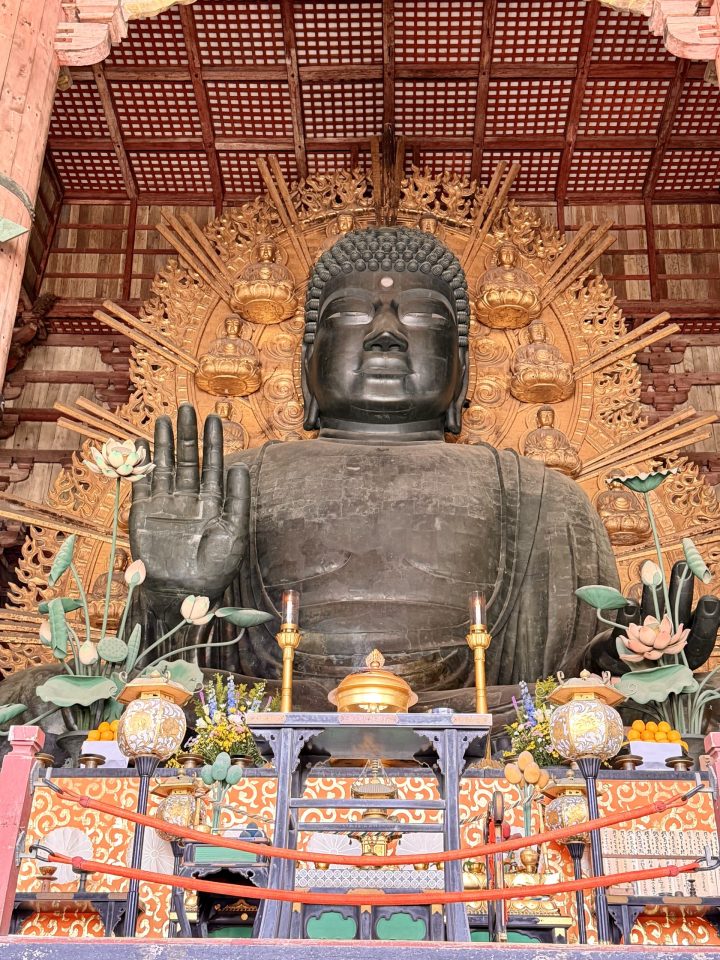
The hall is about 57 meters wide, just over 50 meters deep, and nearly 49 meters high, so it already feels massive before you even step inside. Inside stands the Great Buddha, huge and deeply impressive. The statue itself is almost 15 meters tall, which helps explain why it feels so overwhelming in real life even if photos do not always show that scale well. I had already seen many Buddha statues around the world, but this one really surprised me. The scale inside that hall is much more intense than I expected, and much harder to see in photos.
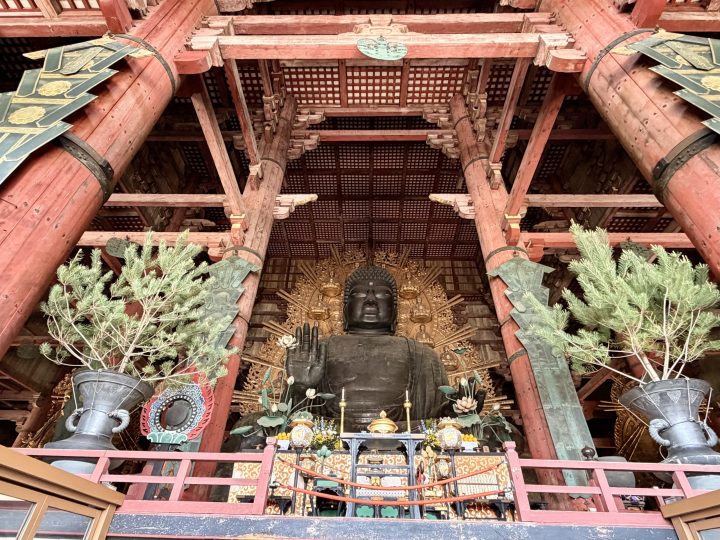
I only realized later that this would also have been such a good place to start collecting goshuin.
Walking on to Nigatsu-do
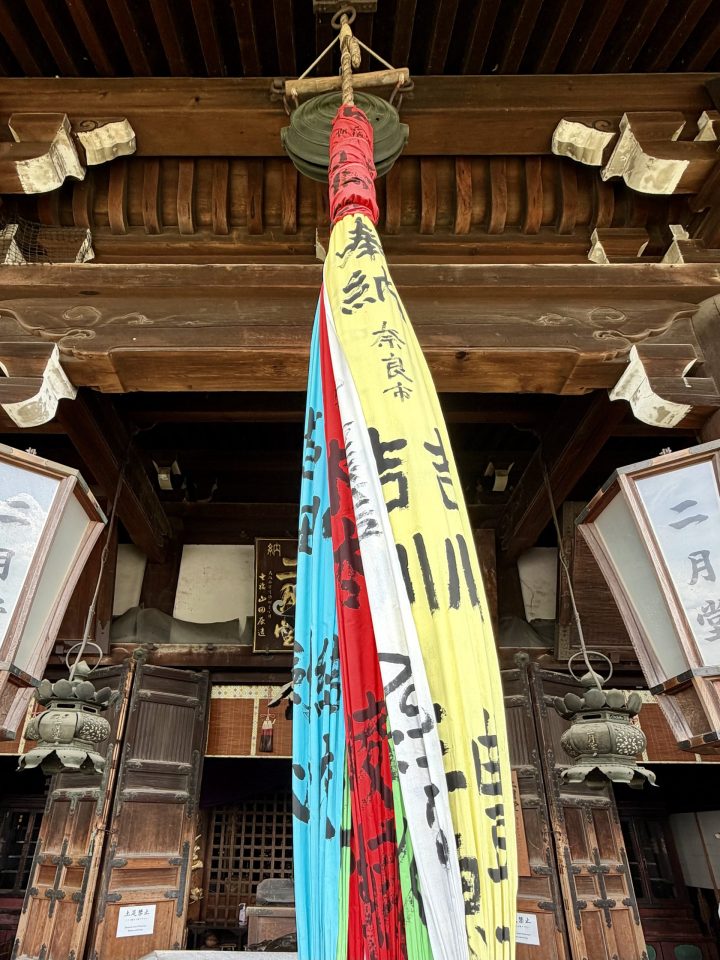
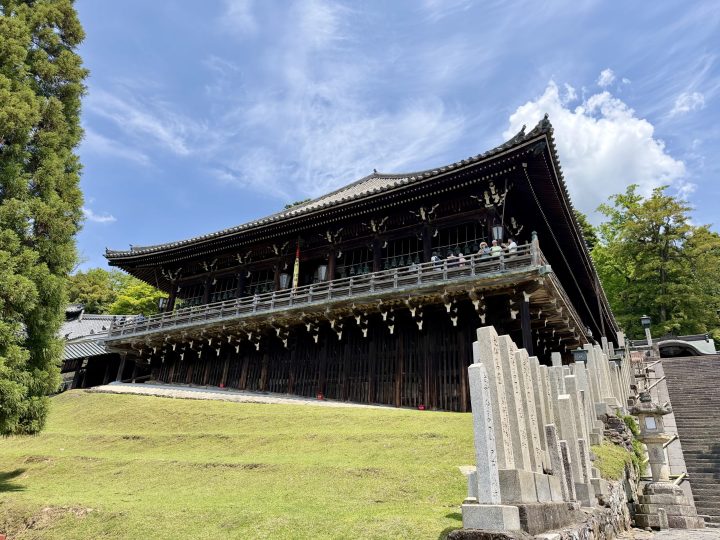
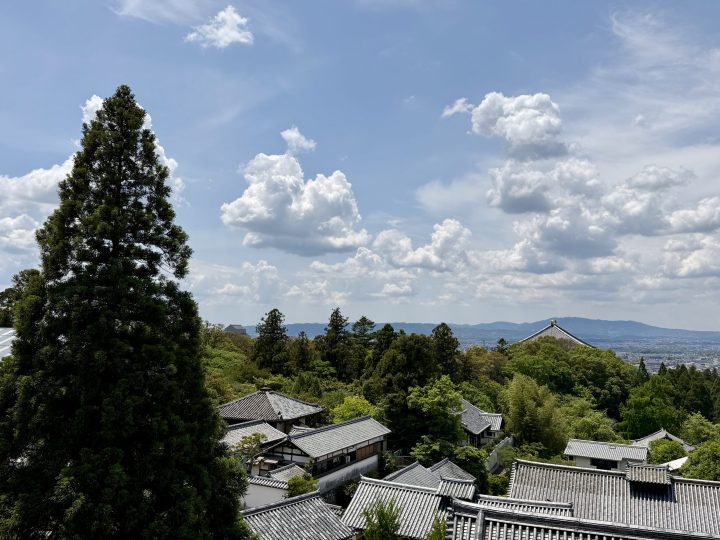
From Todai-ji I continued through the park with Google Maps and some signs in the park and slowly walked uphill to Nigatsu-do. This part of the route was lovely. More deer, more quiet corners, and a gentle climb that made the day feel nicely spread out. Nigatsu-do had a completely different atmosphere. Darker wood, a more intimate feeling, and large ropes and bells that people rang during a ritual. It was beautiful to watch, and from here you look out over Nara city and part of the park, which makes the walk up feel even more worth it.
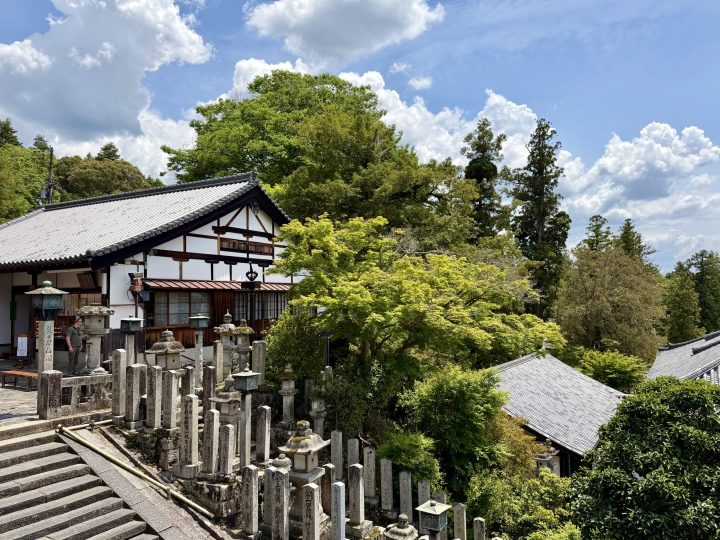
Bring water with you. There are some food spots in the park, but on a warm day it is still nice to have your own bottle while walking.
A matcha break with a view
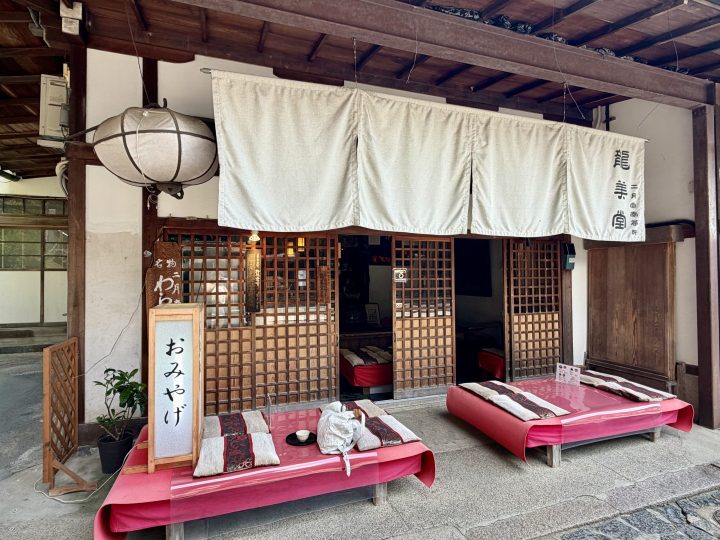
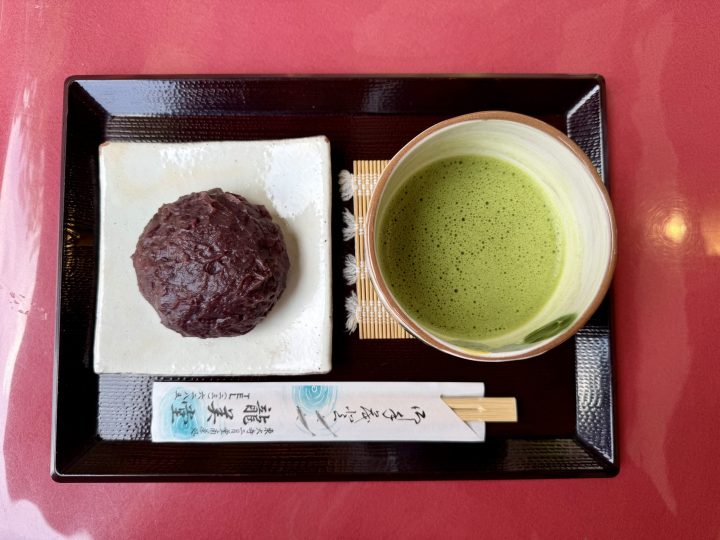
Next came a matcha break at Ryubido near Nigatsu-do. I had traditional matcha with a little bean cake, and it was one of those simple travel moments that just feels right. Sitting there for a while in the shade, with the temple area nearby, felt extra good on such a warm day and slowed the whole day down in the best way.
Wakakusayama and Kasuga Taisha
From there I walked through the Wakakusayama area, where you can go farther uphill for more views if you want. This part of Nara Park is beautiful, with trees, shade, small memorial spots, and a strong feeling that this landscape is more than just a sightseeing area. You really notice that this is still a place of temples, shrines, prayer, and tradition, not only a place people come to tick off on a day trip.
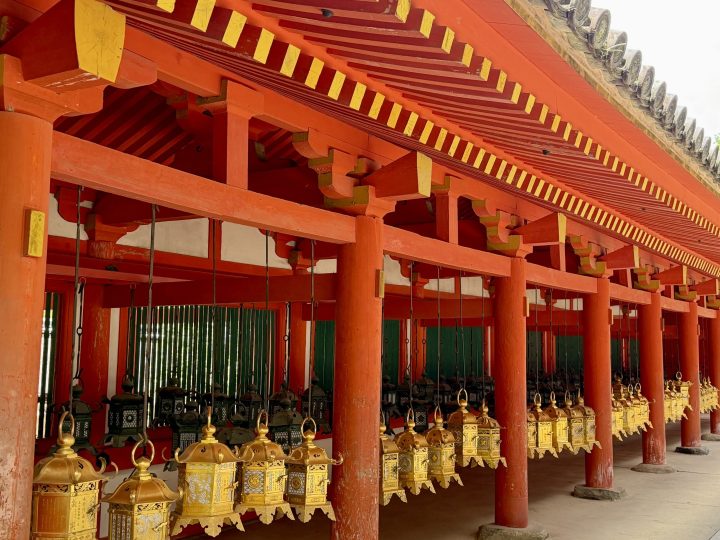
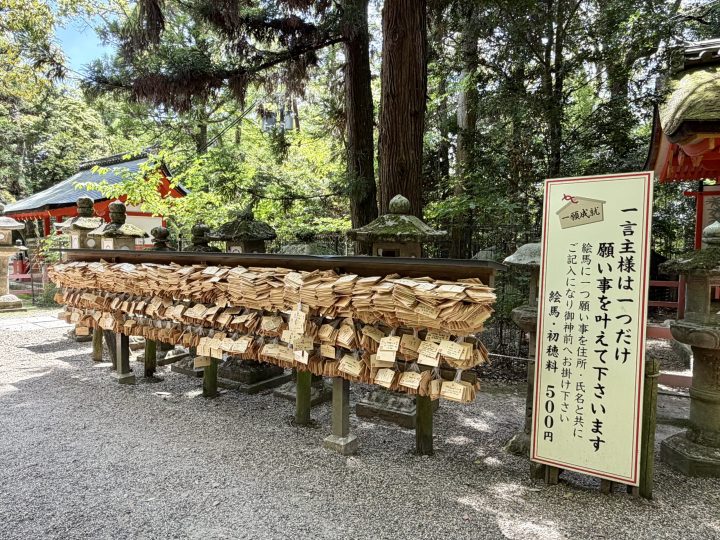
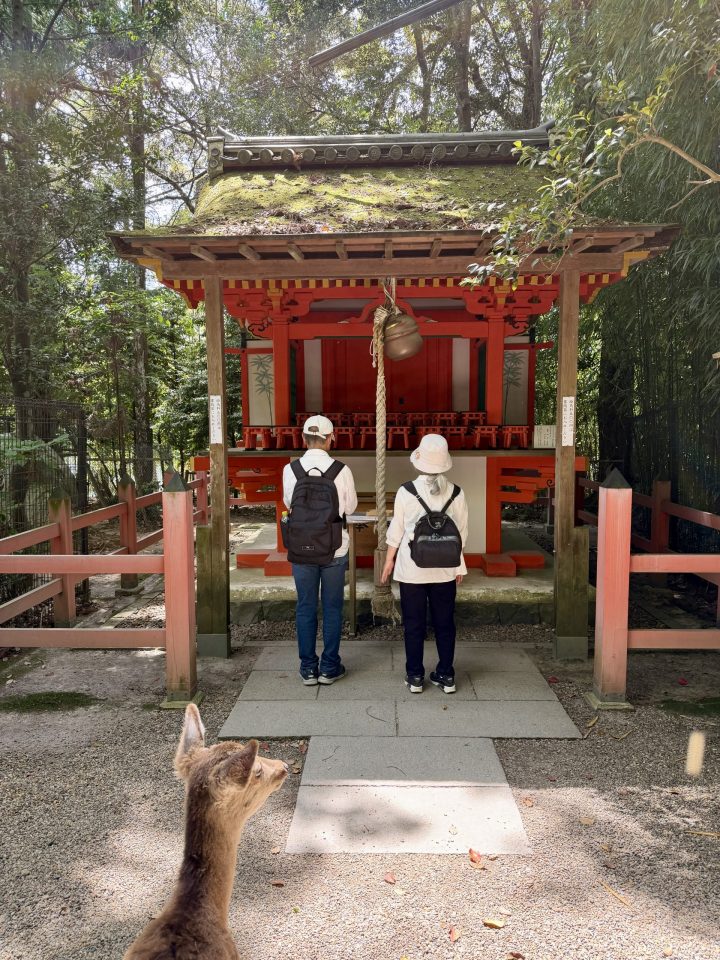
Kasuga Taisha was another highlight. The surroundings are gorgeous, with red gates and details everywhere. That bright red color is often used at shrines in Japan because it is associated with protection and purity. I did not go inside, but honestly, the outside already felt impressive enough. If you do want to enter the inner area, there is a separate admission fee, but you can still enjoy a lot of the shrine atmosphere from the outside.
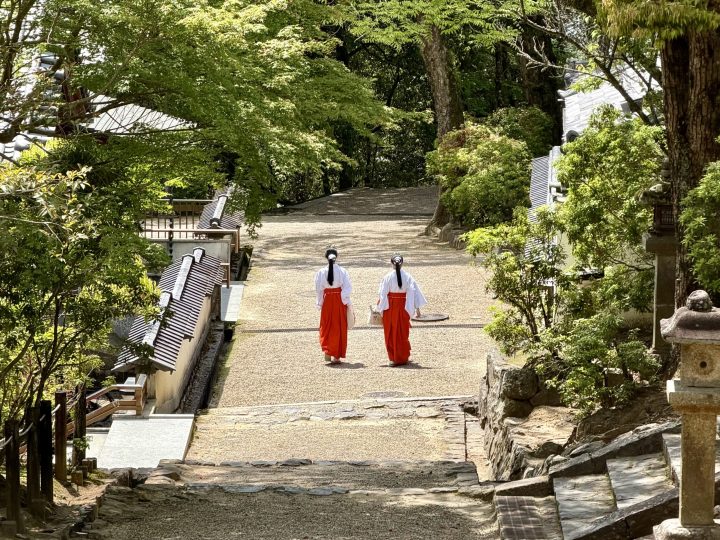
This was also where I discovered goshuin properly and bought my first book. It is a handwritten temple or shrine seal collected in a goshuin book, and once you notice it, you suddenly want one too. A single goshuin is often around JPY 300 to JPY 500, and a goshuin book is often around JPY 1,000 to JPY 2,000, sometimes more for special designs.
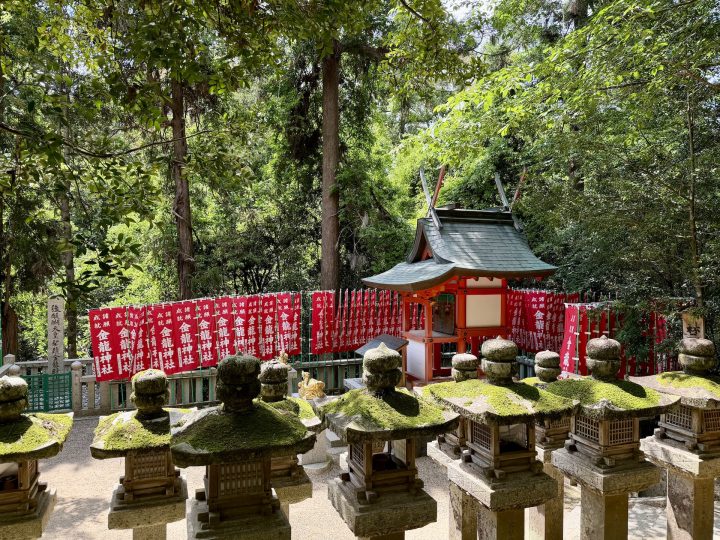
You can buy deer crackers in the park for around JPY 200, but only feed them the official crackers. Once the deer notice you have food, they can become very pushy.
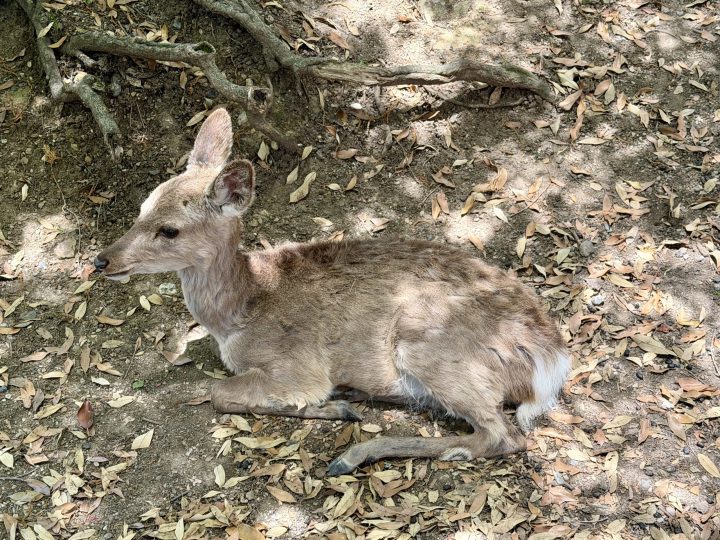
Looping back through the park
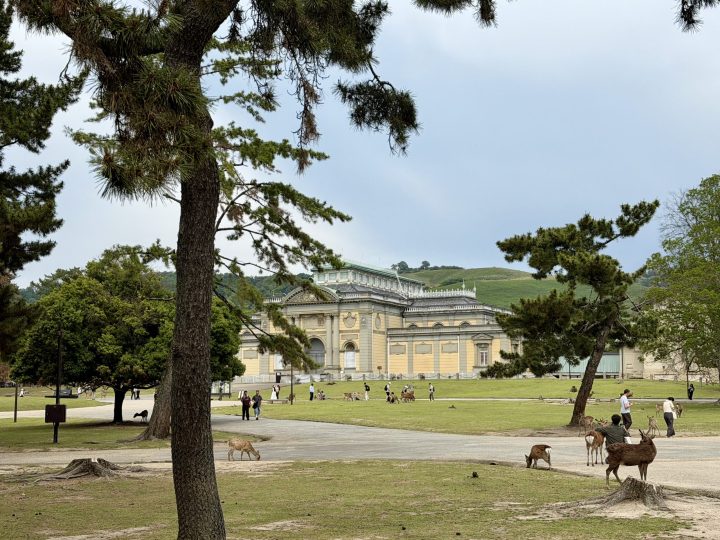
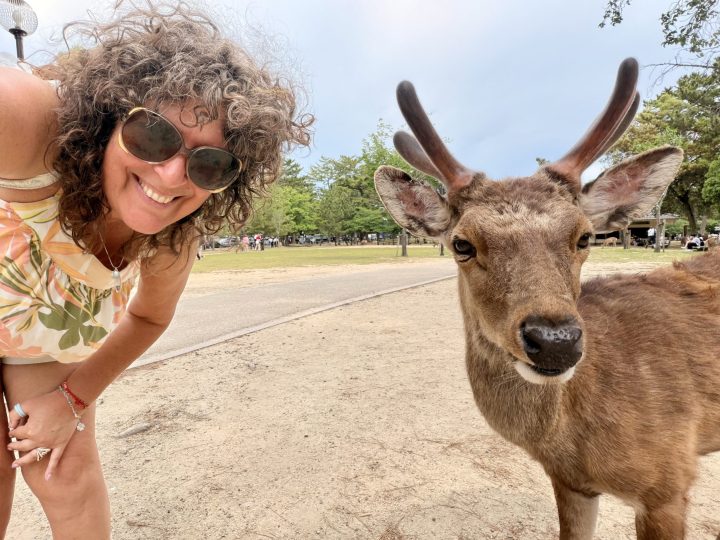
After Kasuga Taisha I walked back through the park toward the Nara National Museum area. I had taken a funny selfie with a deer there, which still makes me smile. By then I had walked a nice circle through the park, and I would recommend that route because it stops the day from feeling repetitive. You can spend a long time in Nara Park, but for me there was a moment when it simply felt enough. The botanical garden was already closed when I passed, so I continued back toward the station.
Nara festivals worth knowing about
If you visit in the right season, Nara can feel even more special. Wakakusa Yamayaki, when the hillside of Mount Wakakusa is set on fire, takes place on the fourth Saturday of January and is one of the city’s best-known events. Kasuga Taisha is also famous for its lantern festivals around early February and again in mid-August, when the shrine feels even more atmospheric.
Lunch near the station: Nara sushi
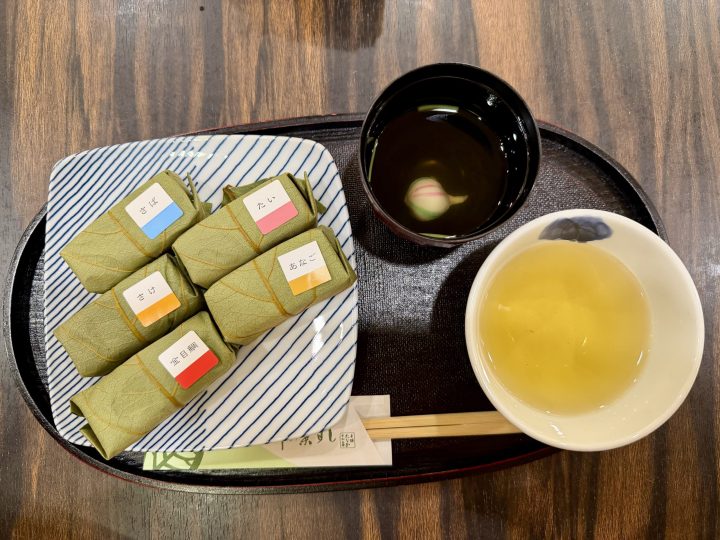
By the time I reached the station again, I was very hungry. I had heard that Nara has its own special sushi, so lunch at Kakinoha Sushi Honpo Tanaka Nara Honten felt like the perfect choice. Nara is known for kakinoha sushi, pressed sushi wrapped in kaki leaf, the leaf of the persimmon tree. You do not eat the leaf itself, but it gives the sushi a subtle fresh aroma and was traditionally used to help preserve it. Expect to pay around JPY 1,000 to JPY 1,500 for a simple lunch set or a few pieces near the station, which felt very reasonable to me for something local like this.
Is Nara worth visiting for one day?
Yes, absolutely. Nara is worth visiting if you want a day trip with history, beautiful temple grounds, sacred deer, and a gentler pace than Kyoto or Osaka. The deer are fun, of course, but what stayed with me most was the atmosphere of the whole place. Old, spiritual, green, and in many corners much calmer than I expected. For me, one day was enough. I had coffee, temples, matcha, a good walk, and a local lunch, and still made it back to Kyoto easily. If you want more history and explanation, you can always book a guided tour.
My one-day Nara route
Kyoto → JR or Kintetsu Nara Station → Norr Coffee Roasters → Todai-ji → Nigatsu-do → Ryubido matcha break → Wakakusayama → Kasuga Taisha → Nara National Museum area → Kakinoha sushi near the station → Kyoto
Let Me Inspire You Takeaways
Start early and leave room to wander. Nara is at its best when you do not rush. Walk in a circle through the park, bring water, and make time to sit down somewhere for tea. That slower pace really suits Nara. That balance is what made this day work so well for me. Big highlights, but also enough time to sit quietly and enjoy the surroundings.
FAQ about Nara
Is Nara Park worth visiting?
Yes. The mix of deer, temples, shrine paths, and open space makes it feel much richer than a normal city park. If you keep walking beyond the busiest deer spots, you will also find quieter corners.
What should you see in Nara in one day?
Todai-ji, Nigatsu-do, Kasuga Taisha, the wider Nara Park area, and one good tea or lunch stop are a very good start. This gives you a nice mix of temples, deer, views, and local food without rushing too much.
Is Nara worth staying overnight?
For most first-time visitors, a day trip is enough. If you want to see Nara more slowly, staying overnight can still be lovely, especially if you like quiet evenings after the day-trippers leave.
What is Nara sushi?
Nara is known for kakinoha sushi, pressed sushi wrapped in kaki leaf from the kaki fruit tree. You do not eat the leaf itself, but it gives the sushi a subtle fresh aroma.
Back to Kyoto or Osaka?
The train back to Kyoto was easy, direct, and this time without an extra surcharge. That felt like a nice simple ending after a full day. After a day of deer, temple halls, matcha, and sacred corners, Kyoto in the evening felt like a completely different mood again. Continue with my Kyoto or Osaka blog if you want to see what to do after coming back from Nara.