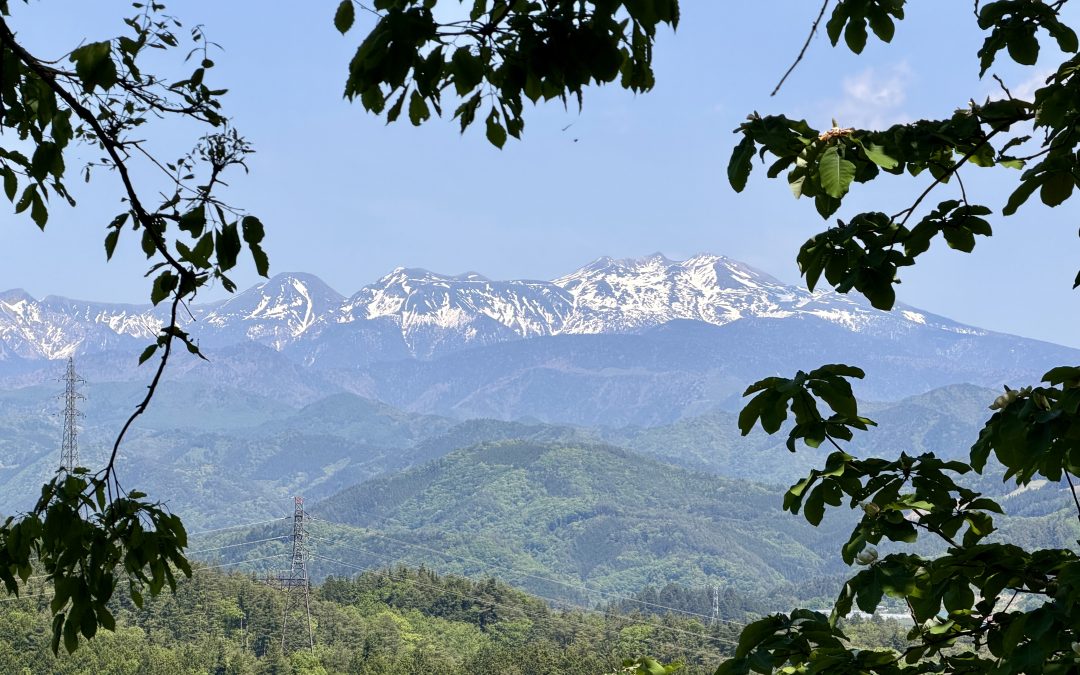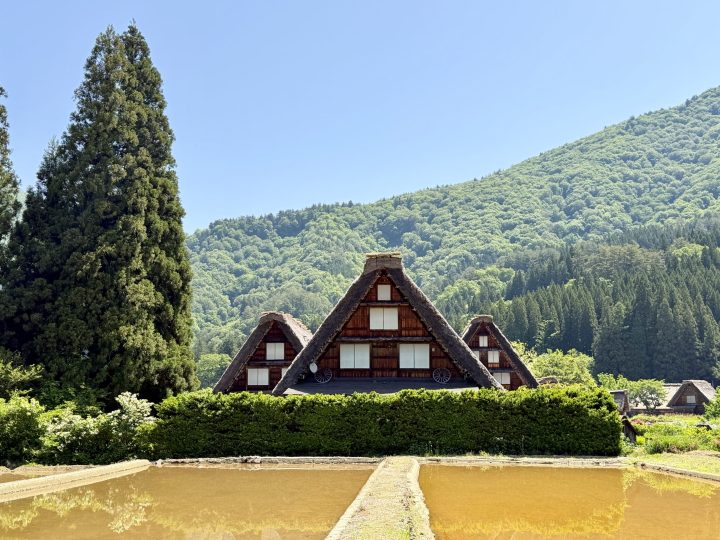
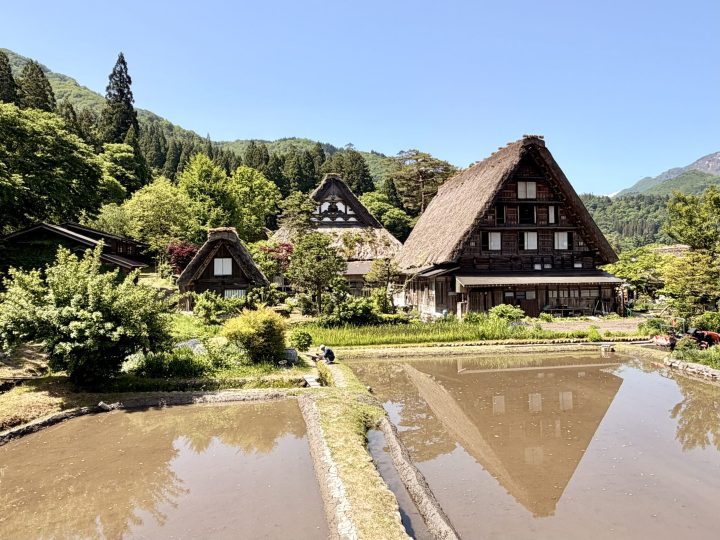
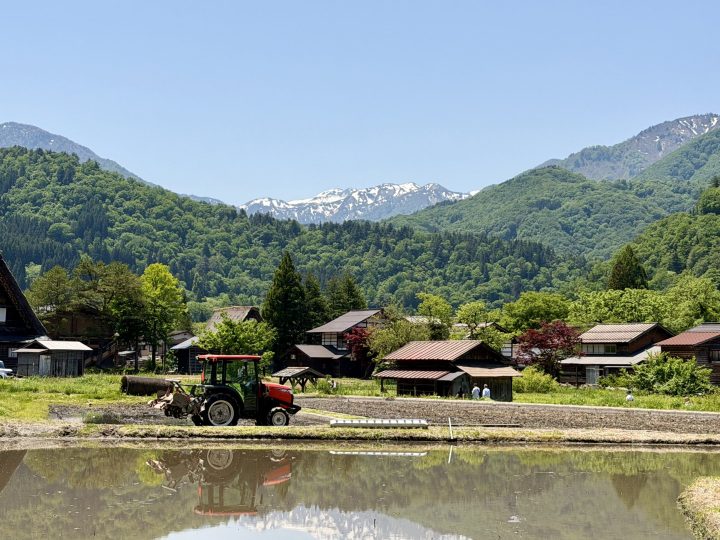
Yes, a Shirakawago day trip from Takayama is very easy to do by bus. The ride normally takes around 50 minutes and, for me, three to four hours in the village was enough to see the main sights without rushing. Shirakawago is beautiful, but you don’t need a full day here unless you want to visit several houses or even stay overnight. Traditional thatched houses stand between rice fields, little streams and green mountains. On my visit there were still snow covered peaks in the distance and the weather was so clear that I kept stopping for another photo.
How to get from Takayama to Shirakawago by bus
The easiest way to travel from Takayama to Shirakawago is with Nohi Bus from Takayama Nohi Bus Center, next to JR Takayama Station. The bus ride takes around 50 minutes. I stayed at Hotel and Spa Gift Takayama, which is within walking distance of the bus station. My planned bus left around 8:50 AM, so I arrived more than 30 minutes early. There was already a long line and I had no reservation, which made me wonder if that had been a clever idea.
Luckily, Nohi Bus added extra buses because it was busy. I could get on one of them and even left before my original departure time. Nice when it works out like that, but don’t count on it during a busy travel period.
Buy your ticket inside Takayama Bus Center first and only then join the line outside. You don’t want to reach the bus and discover that you still need a ticket.
Booking through the official website was not very clear to me. For the return trip I did manage to buy a ticket in advance, which gave me a fixed 2:00 PM bus back to Takayama. Check departures through Nohi Bus or compare the route through 12Go. Don’t expect mountain views during the whole bus ride. The road goes through the Japanese Alps, but also through many tunnels. I had expected to see more on the way, but much of the trip was quite simply tunnel, tunnel and another tunnel.
If you are traveling around the Japanese Alps by car, compare rental cars through Discover Cars. For this day trip, the bus is easier. Once you arrive, you can do everything on foot.
Do you need to book the Shirakawago bus from Takayama?
Book the bus in advance if you already know your travel date. My trip worked out without a reservation because extra buses were added, but that is never guaranteed. For my return journey I had a fixed ticket for the 2:00 PM bus. Be back at the bus terminal on time and plan the rest of your afternoon around your departure.
Check the latest timetable before you travel. My departure times are from my own trip and bus schedules can change.
Why Shirakawago is a UNESCO World Heritage village
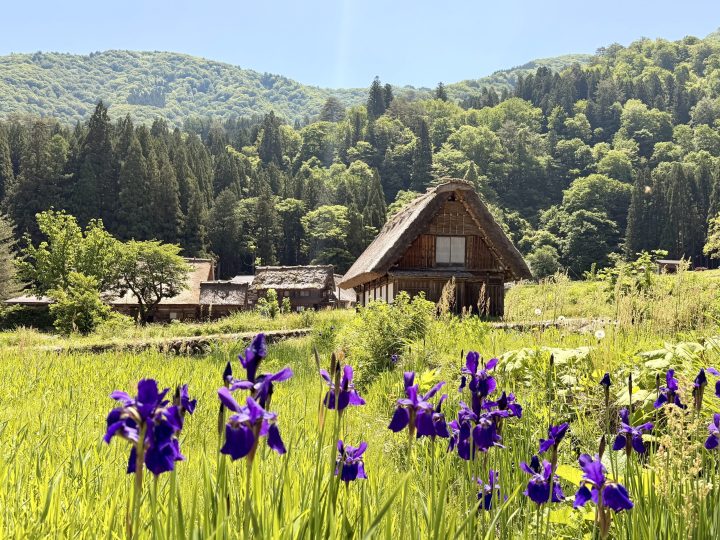
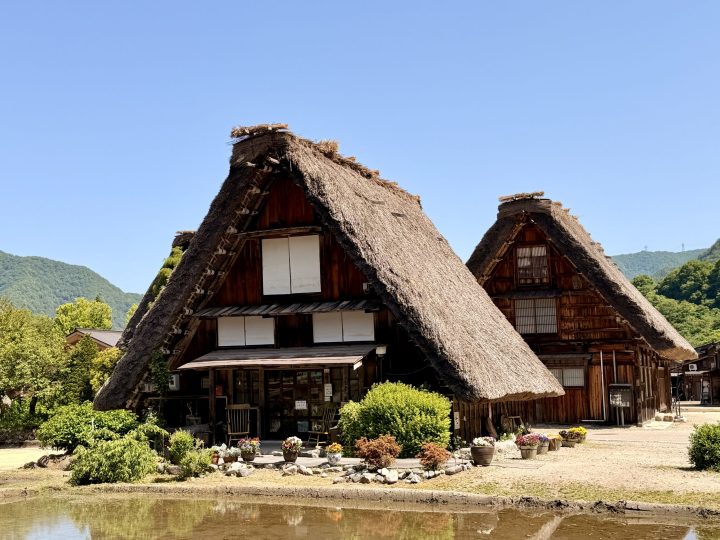
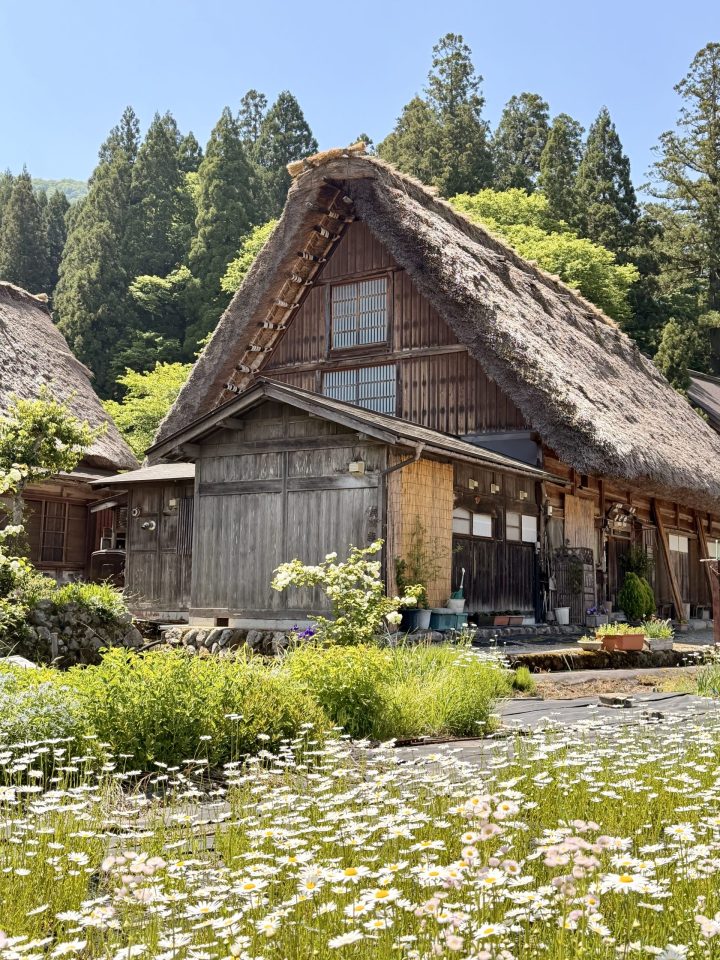
Shirakawago has been part of the UNESCO World Heritage Site Historic Villages of Shirakawa-go and Gokayama since 1995. The village is famous for its gassho-zukuri houses with very steep thatched roofs. Gassho refers to hands joined together in prayer. Look at the shape of the roof and you can easily see why. The steep construction also has a practical reason because Shirakawago gets a lot of snow in winter.
The large space under the roof was useful too. Families traditionally used the upper floors for raising silkworms, which was an important source of income in this remote mountain area. Some houses in the region are several hundred years old. Seeing them between small fields, gardens and mountains makes this village feel very different from the Japan of Osaka and Kyoto.
Start your Shirakawago day trip at Wada House
From Shirakawago Bus Terminal, go straight to Wada House. It is only a short walk from the station and starting here worked perfectly. I arrived around 9:30 AM and was one of the first visitors inside. The village was still fairly quiet, which changed later when more buses and tour groups arrived.
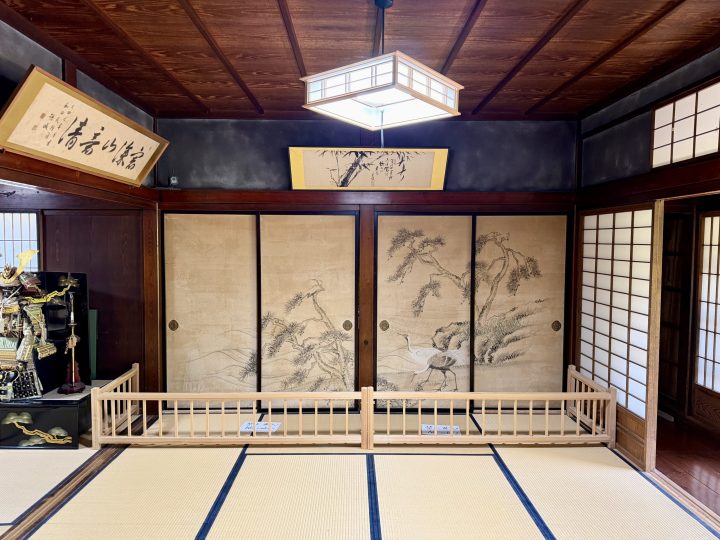
Wada House is the largest gassho-zukuri farmhouse in Shirakawago and dates from the late Edo period. The Wada family had an important position in the village and family members worked as local officials. They were also involved in trading silk products and ingredients used to make gunpowder.
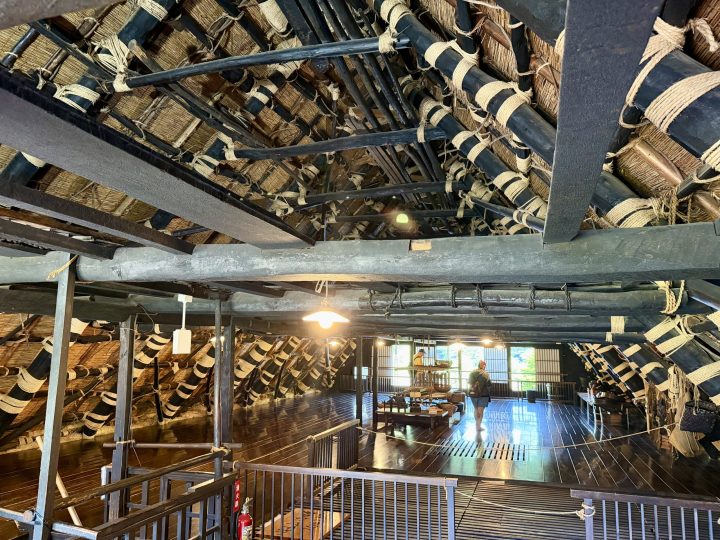
Visit part of the house and look at the wooden construction from the inside. Looking up into the large roof makes it much easier to understand how these houses were built and used.
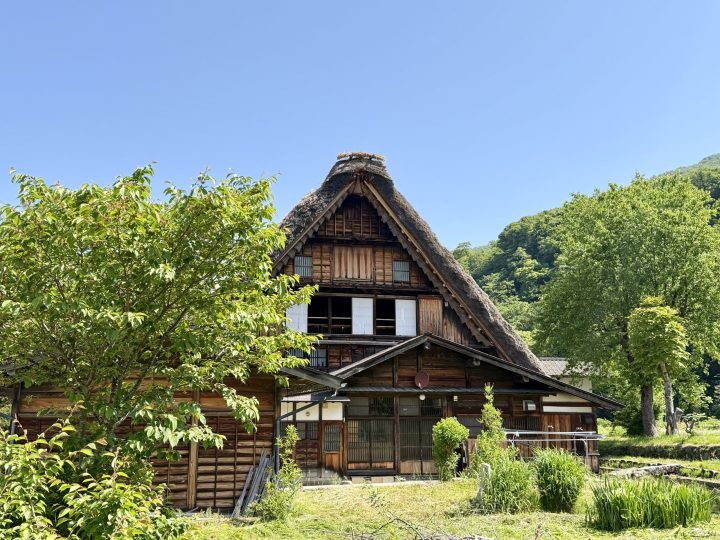
Walk through Shirakawago village
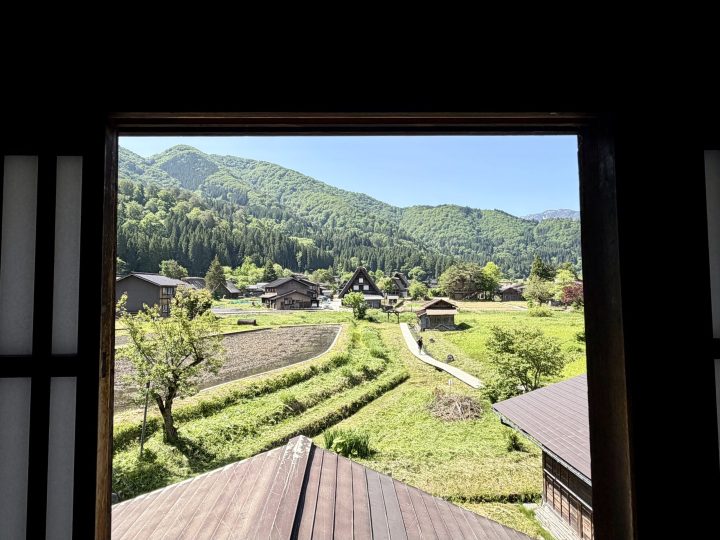
After Wada House, just start walking. You don’t need a strict route here. Little streams run next to the streets and wooden paths, with fish swimming in the clear water. Traditional houses stand between small gardens and rice fields, while the green mountains surround the valley. With snow still visible on the peaks in the distance, it was one of those mornings when I kept taking photos.
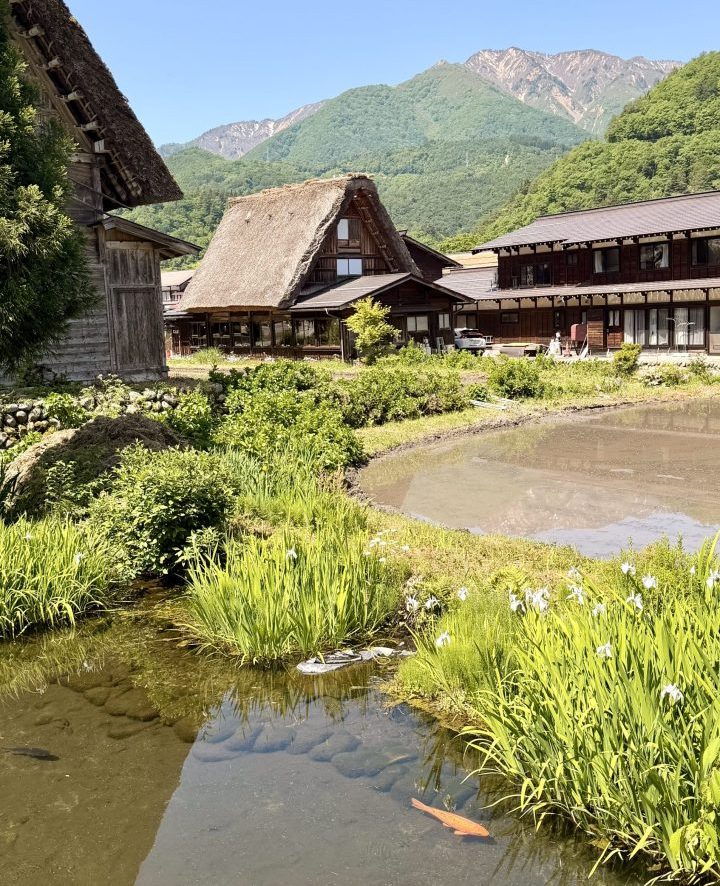
Continue towards Shirakawa Hachiman Shrine. Of course there had to be another shrine somewhere on my route through Japan. It was quiet around the shrine and a nice change from the busier streets in the center. Cross the bridge towards the large parking area and you will probably see plenty of tour buses later in the day. Seeing them all lined up made me happy I had started early and visited independently. You can stop when you want, take another photo and decide how much time you spend in each place.
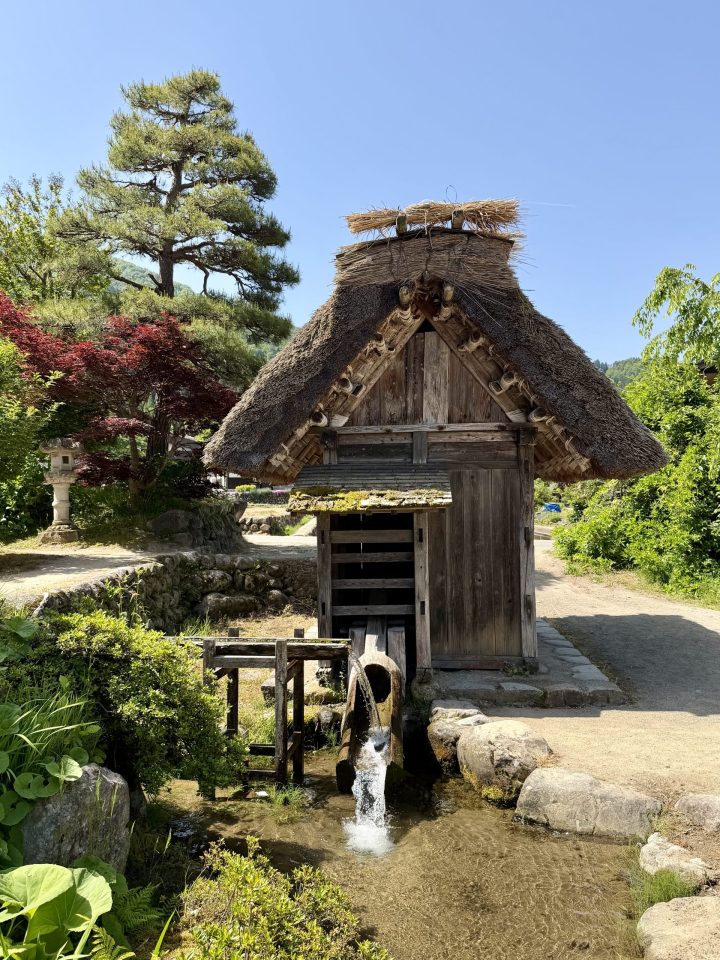
Walk to the famous Shirakawago three houses
The famous Shirakawago three houses were one place I definitely wanted to see. You may recognize this little group of gassho houses from photos because it is one of the best known views in the village. Walk a little farther from the busiest central part of Shirakawago, towards the edge of the village near the river and parking area. This part felt quieter and you see more of the valley along the way.
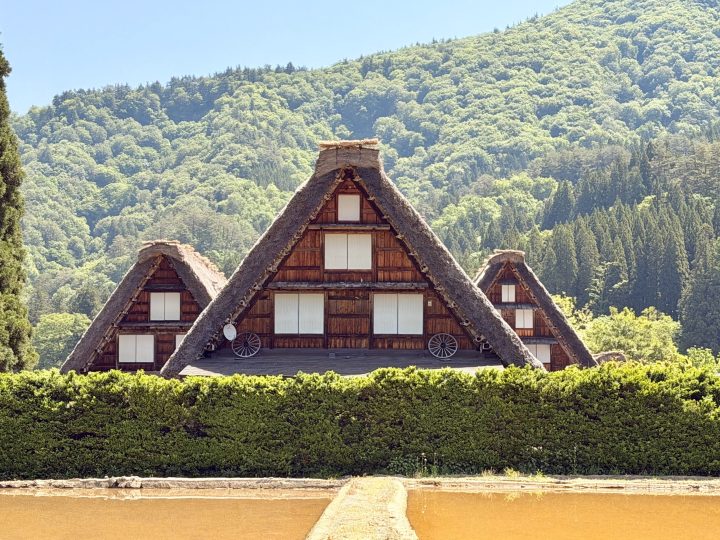
The three roofs with the mountains behind them make a beautiful photo spot. Still, don’t only walk there for that one picture. There are many other lovely corners along the route, and I probably photographed half of them.
Cappuccino at Kyoshu Traditional Coffee Shop
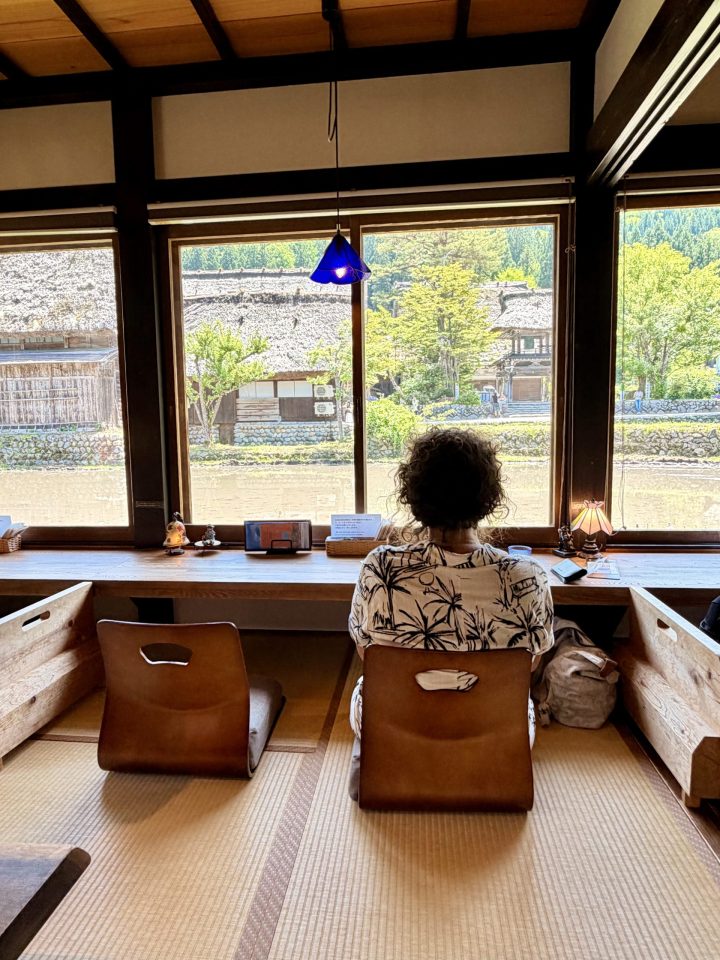
After all that walking, it was time for a cappuccino. At Kyoshu Traditional Coffee Shop you may have to wait for a table, but the setting is worth it. Sit on a tatami mat and look out over the rice fields. Luckily there was a small backrest too, which my back appreciated after all those steps. Order a cappuccino and a strawberry cake and stay for a while. It is a very nice stop before walking uphill again.
Walk to the Shirakawago observatory deck
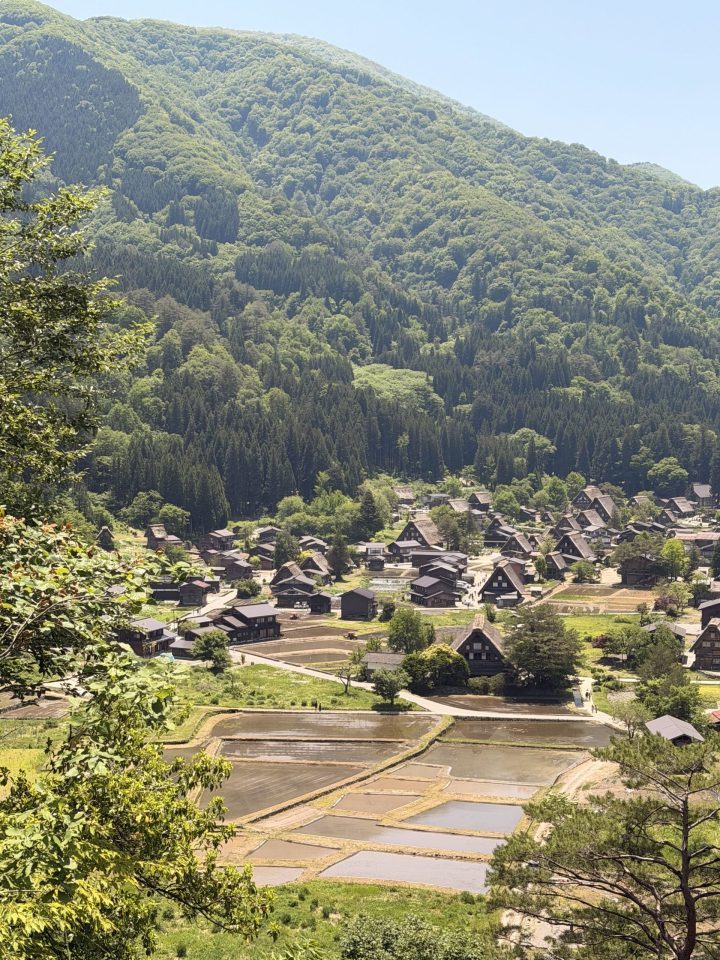
After coffee, continue uphill to the Shirakawago observatory deck. The walk takes around 20 minutes and there is also a shuttle bus if walking uphill is difficult. It is a proper climb, but very doable if you are used to walking. From the top you see the village spread out below, with the gassho houses between the fields and mountains around the valley. The clear weather made the view even better. Blue sky, green fields and snow on the mountain tops in the distance. I was very lucky that day.
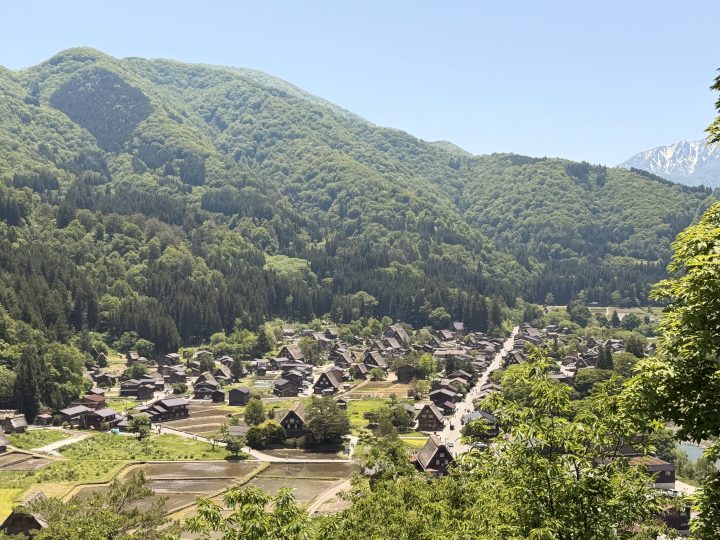
Walk up if you can. The climb is not long and the viewpoint gives you a completely different view of Shirakawago.
Lunch in Shirakawago
Lunch was the least successful part of my day. By then the village was busy and several restaurants were either full or closed. After looking around for a while, I bought some chips and crackers instead. Not the lunch I had planned, but waiting in another long line was not very tempting either. Restaurants, museums and traditional houses can have different closing days. Check the opening hours beforehand if there is one place you really want to visit or eat.
Bring a small snack with you, especially on a busy day. I was very happy with my crackers in the end.
How long do you need in Shirakawago?
Three to four hours was enough for me. I arrived around 9:30 AM and by about 1:00 PM I felt that I had seen everything I wanted to see. That gives you time for Wada House, a long walk through the village, the three houses, cappuccino and cake and the observatory. There was even time for one last slow round before walking back to the bus terminal.
My bus back to Takayama left at 2:00 PM from the same place where I arrived that morning. By then I was more than ready to sit down again. Stay longer if you want to visit several traditional houses, have a proper lunch or take your time in every museum. For a normal Shirakawago day trip from Takayama, three to four hours worked very well for me.
Book your tickets in advance to avoid stress about when you can return.
Can you stay overnight in Shirakawago?
Stay overnight in Shirakawago if you want more time in the village. You can even sleep in some traditional gassho style accommodations. An overnight stay also gives you the chance to walk around later in the afternoon and early in the morning, when many day visitors are gone. Check available accommodation through Booking.com or compare the same dates through Expedia. For my Japan route, returning to Takayama made more sense. I still had one final night there before continuing east the next morning.
Shirakawago independently or with a tour?
You don’t need a tour to visit Shirakawago from Takayama. Take the bus to the village and explore everything from there on foot. Traveling independently gave me the freedom I wanted. You miss some of the background a guide could explain, but for me that was a fair trade. Choose a tour if you prefer having the transport and explanations arranged for you. Otherwise, this is a very easy day trip to organize yourself.
Frequently asked questions about a Shirakawago day trip
Is a Shirakawago day trip from Takayama worth it?
Yes. The bus ride is short and the village feels very different from Takayama. Go early if you want to see Wada House and the old streets before most tour buses arrive.
How long do you need in Shirakawago?
Plan around three to four hours for Wada House, the village, the three houses, a coffee stop and the observatory. Stay longer if you want to visit more houses or have a slow lunch.
Should you book the Takayama to Shirakawago bus in advance?
Book it in advance if you know your travel date. I was lucky on the way there because Nohi Bus added extra buses, but having my return ticket booked was much more relaxed.
Let Me Inspire You Takeaways
A Shirakawago day trip from Takayama is easy to organize yourself. Go early, start at Wada House and plan around three to four hours in the village. Walk out to the famous three houses and go up to the observatory if the weather is clear. Book your bus before travel day if you can and bring a small snack in case lunch becomes as complicated as mine did.
Next stop: Fujikawaguchiko and Mount Fuji
After Shirakawago, I returned to Takayama for my final night in the Japanese Alps. Another onsen at Hotel and Spa Gift Takayama was very welcome after another long walking day. The next morning I took the bus towards Fujikawaguchiko; looking forward to Mount Fuji.