How to get to Machu Picchu from Cusco? I traveled by colectivo to Ollantaytambo, took the train to Aguas Calientes and stayed there for the night. The next morning I took the bus up to Machu Picchu, which made the whole journey easy and relaxed. Machu Picchu had been on my bucket list for a long time, so expectations were high. Luckily, the real thing did not disappoint. The Inca city is located at 2,430 meters above sea level and is surrounded by green mountains that feel completely different from the colder and drier landscape around Cusco.
Book your Machu Picchu entrance ticket first. Once you know your date, route and entrance time, arrange the train and accommodation around it.
How to get to Machu Picchu from Cusco
My route started with a colectivo from Cusco to Ollantaytambo. It was an easy way to reach the train station and later fitted well with my route through the Sacred Valley. From Ollantaytambo, take the train along the Urubamba River to Machu Picchu Pueblo, better known as Aguas Calientes. The train ride takes around 1 hour and 45 minutes. Along the way the mountains get greener and steeper, and by the time you arrive in Aguas Calientes the scenery feels much more tropical.

You can also travel with train services starting closer to Cusco or use a combined bus and train connection. Check PeruRail for the options on your travel dates because timetables and departure points can change. For more transport options, compare the route through 12Go. You do not need a rental car to reach Machu Picchu, but for a wider Peru road trip you can compare cars through Discover Cars.
Book your Machu Picchu tickets first
This is probably the biggest change since my visit. Back then, one entrance gave me enough freedom to visit the classic viewpoint, walk to the Inca Bridge, hike to the Sun Gate and explore the old Inca city during the same day. You cannot do that with one standard ticket anymore. Machu Picchu now has three main circuits divided into different routes. Circuit 1 focuses mainly on panoramic viewpoints and hikes, Circuit 2 takes you through the classic archaeological area and Circuit 3 covers the lower part of Machu Picchu with additional hiking options on some routes. Your ticket is linked to the route, date and entrance time you booked. Check the official Machu Picchu circuits and routes carefully before choosing, because one ticket does not give access to the complete site. Buy your entrance through the official Peruvian Ministry of Culture ticket platform. Secure the Machu Picchu ticket before booking non refundable train tickets, especially when one particular route is important to you.

My old Machu Picchu day cannot be repeated with one ticket today. If the classic Inca city is your priority, look closely at Circuit 2. If you prefer a viewpoint or hike, compare the routes in Circuits 1 and 3.
Stay in Aguas Calientes before Machu Picchu
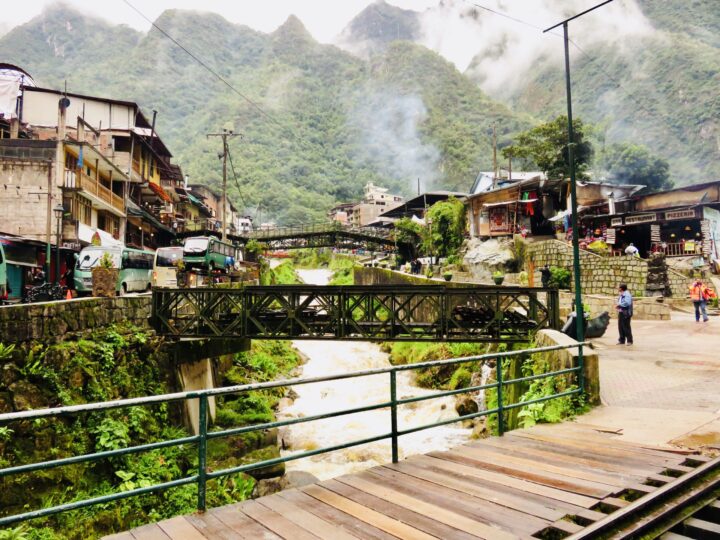
Staying in Aguas Calientes the night before worked very well for me. The small town is full of hotels, restaurants and souvenir shops between the railway, river and steep green mountains. Almost everybody here seems to be preparing for Machu Picchu or coming back from it. I stayed at Hotel Ferré Machu Picchu, between the railway and the fast running Urubamba River. The location sounded noisy, but the river was actually relaxing and I slept like a baby.
More importantly, there was no long journey from Cusco waiting for me the next morning. You can search for hotels in Aguas Calientes through Booking.com. You can also compare accommodation and other parts of your Peru trip through Expedia. One night is enough for a normal visit, but the new circuit system gives you a good reason to think about staying longer. If Machu Picchu is a major part of your Peru trip, stay two or even three nights and book separate entrance tickets for different days, depending on availability. One visit can focus on the classic Inca city and another on a panoramic route or hike.

You do not have to limit Machu Picchu to one entrance. Two tickets on different days can be a smart option if you want to see more than one route.
Explore Aguas Calientes
Arrive in the afternoon and you have enough time to look around without turning Aguas Calientes into another full sightseeing day. Walk through the center with its large Inca statue, browse the souvenir and jewelry shops or continue uphill toward the hot springs that gave the town its name. My preparation was simple: pizza, an early night and an alarm for 4:15 AM. With Machu Picchu waiting the next morning, that sounded better than staying out late.

From Aguas Calientes to Machu Picchu
Buses run from Aguas Calientes up the winding mountain road to the Machu Picchu entrance. The journey takes around 25 to 30 minutes. You can walk up too, but it is steep and I preferred to save my energy for Machu Picchu itself. During my visit, I was at the bus stop before 4:50 AM. We left while it was still dark and slowly the mountains became visible as the sky got lighter. With every turn in the road, Machu Picchu came a little closer. You do not need to copy that early start if your entrance is later. Your ticket now has a fixed time slot, so plan the bus around that and leave some extra time for queues.

What to bring to Machu Picchu
Take a small daypack with your passport or required ID, entrance ticket, water, sunscreen, non aerosol insect repellent, phone or camera, power bank and light layers. A rain jacket or poncho is useful because the weather can change quickly. Umbrellas are not allowed inside the archaeological site. One important rule has changed since my visit. I took fruit, sandwiches and granola bars inside, but food is not allowed in Machu Picchu now. Eat before entering, especially if you have an early slot, and keep a snack ready for when you come back out. Large bags are restricted too, as are tripods, monopods and selfie sticks. Check the official Machu Picchu visitor rules shortly before traveling.
Charge your phone and camera the night before and bring a power bank. You do not want to reach that famous Machu Picchu view with an almost empty battery.

My visit to Machu Picchu
It was still dark when the bus started climbing. Slowly the sun came up behind the green mountains and I was very lucky with the weather. The previous day had been rainy in Aguas Calientes, but that morning the view was clear with some clouds between the peaks. The first walk went toward the House of the Guardian, where you get that famous overview of Machu Picchu. Some of the grass terraces were almost empty at that hour. After seeing this view in photos for years, it felt very special to finally stand there myself.

Walk to the Inca Bridge
From there I continued toward the Inca Bridge. Parts of the path are narrow with steep drops, so my fear of heights definitely came along. The views were beautiful, but looking straight down was not always my favorite part. What stayed with me most was how difficult this landscape must have been to build in. The Incas created paths and structures against very steep mountains without the machines we would use today. The Inca Bridge now belongs to Route 1-D and is only available during the designated high season. Check the route before booking if this walk is high on your list.

Hike to the Sun Gate
The next challenge was Intipunku, the Sun Gate. I am not a big hiker and the climb became harder as the morning got warmer. After around 45 minutes I reached the top tired and sweaty, but the view quickly made me forget about that. From the Sun Gate, Machu Picchu looks surprisingly small between all those mountains.

The view reminded me a little of Avatar mixed with Pirates of the Caribbean. Everything was green, warm and tropical, so different from Cusco. On the way back down, butterflies appeared along the trail. Travelers walking the classic Inca Trail approach Machu Picchu from this side, which makes Intipunku an extra special place to stand. The Sun Gate is now Route 1-C and has its own ticket conditions. It is another good example of how different the current system is from my visit, when this was simply another walk during the same day.

Walk through the Inca city
By the time I came back down, Machu Picchu was much busier. I explored part of the old city independently and later joined some American travelers who had a guide. Hearing more about places such as the Temple of the Three Windows and Main Gate added useful context.

The stonework impressed me most. Huge stones fit closely together without modern machinery, in a city built high in very difficult terrain. You do not need to remember the name of every building to appreciate how much work went into creating this place.

Machu Picchu is often called the Lost City of the Incas, but the familiar story about Hiram Bingham discovering it in 1911 is too simple. His visit brought Machu Picchu international attention, while local people already knew the site.
How long can you stay at Machu Picchu?
Your visit is much shorter now than mine was. Instead of staying most of the day and walking between different areas, you follow the route connected to your ticket. Many classic routes take around 2.5 hours, while routes with longer hikes allow more time. If you want to see more, book separate Machu Picchu tickets for different days and choose another route each time, depending on availability. Staying two or three nights in Aguas Calientes makes this easier and gives you more time without trying to fit everything into one visit. A later train back to Ollantaytambo can still be useful. Take the bus down, collect your luggage, have lunch in Aguas Calientes and travel onward without checking the time every few minutes.

Leave enough time between Machu Picchu and your return train. Lunch and a coffee in Aguas Calientes are much nicer than rushing straight from the bus to the station.
Do you need a guide at Machu Picchu?
Exploring independently gave me the freedom to stop where I wanted. Later, hearing a guide explain the temples, stonework and Inca history added something extra to the visit. If you prefer exploring without a guide, read about your chosen route before entering. If history is important to you, a guide can help you understand what you are seeing instead of only moving from one photo spot to the next.

What to do after Machu Picchu
My train returned to Ollantaytambo, but the journey did not go straight back to Cusco. From there I continued into the Sacred Valley, which saved unnecessary backtracking. If you are still planning the first part of the journey, read my Cusco guide as well. Cusco, Machu Picchu and the Sacred Valley fitted naturally together in my Peru route.
FAQs about how to get to Machu Picchu
How do you get to Machu Picchu from Cusco?
Travel from Cusco toward Ollantaytambo and take the train to Aguas Calientes. From Aguas Calientes, buses take you up to the Machu Picchu entrance. Combined bus and train connections from Cusco are another option.

Is it worth staying in Aguas Calientes?
Yes, especially if you have an early Machu Picchu ticket. One night gives you a relaxed start, while two or three nights work well if you want to book different Machu Picchu routes on separate days.
Do you need to book Machu Picchu tickets in advance?
Yes. Choose your route, date and entrance time first, then book the train and accommodation around it. Popular routes can sell out, so do not leave your entrance ticket until the end of the planning.
Which Machu Picchu circuit should you choose?
Circuit 2 is the most logical choice if seeing the classic Inca city is your priority. Circuit 1 focuses more on panoramic views and hikes, while Circuit 3 covers the lower area with other hiking options. Check the official route maps because each ticket only covers the route you booked.

Let Me Inspire You Takeaways
How to get to Machu Picchu from Cusco is easier than it first looks. Book your Machu Picchu ticket first, travel via Ollantaytambo to Aguas Calientes and stay at least one night if you want a more relaxed start. The biggest change is the circuit system. You can no longer spend one long day walking wherever you like, so choose the route that matters most or stay longer in Aguas Calientes and book more than one entrance. Machu Picchu was a real bucket list moment for me and it absolutely lived up to the expectations. Plan the practical part beforehand, then put the phone away for a moment and just look around when you finally get there.

Continue into the Sacred Valley
After Machu Picchu, my trip continued from Ollantaytambo into the Sacred Valley instead of returning to Cusco first. Read my Sacred Valley guide for the next part of the journey.