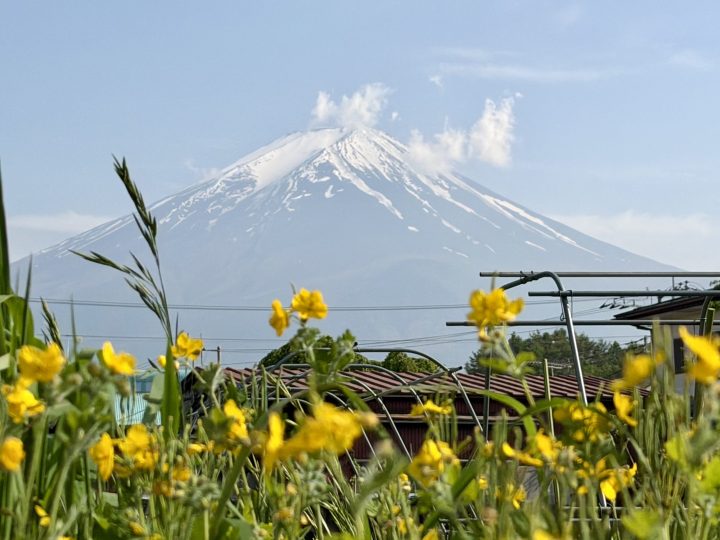
Mt Fuji was one of the places I was most looking forward to seeing during my Japan trip, but seeing the volcano is never guaranteed. With only two days here, I wanted to fit in some of the best things to do around Mt Fuji while the weather was still clear. The forecast showed clear weather on my arrival day, but rain the next day. Luckily, the sky was clear and I had good views of Mt Fuji on both days. Fujikawaguchiko is part of the Fuji Five Lakes area, with Lake Kawaguchi as a good base for exploring the area around the mountain.
From Takayama to Fujikawaguchiko by bus
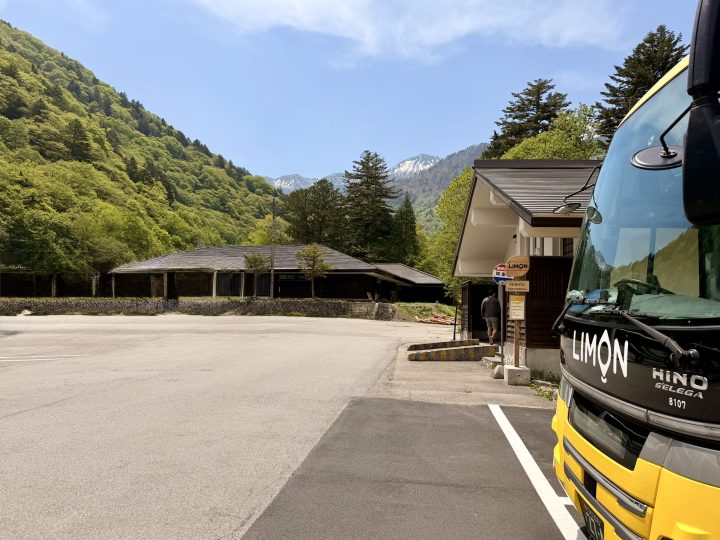
I traveled directly from Takayama to Kawaguchiko with the Limon bus, which left at 8:40 from behind Takayama Station. Look for the yellow lemon sign behind the station, My one-way ticket cost ¥10,000, roughly $63. The bus itself is bright yellow too, so you will see it coming. There was a coffee stop in Hirayu and the journey through the Japanese Alps was beautiful.
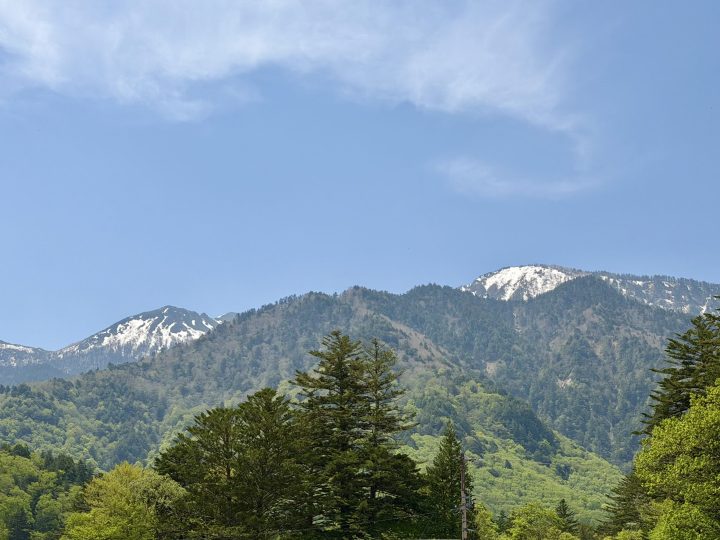
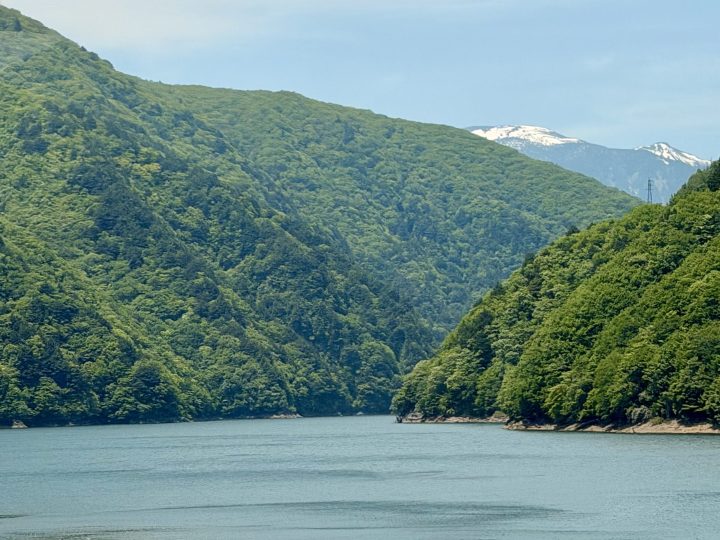
The route passed snow-covered mountain peaks, lakes, small villages and several large dams across the rivers. This was one of those bus journeys where looking out of the window was part of the trip. The bus arrived at Kawaguchiko at around 14:00, exactly according to schedule. By this point in my Japan trip, I was starting to expect nothing less.
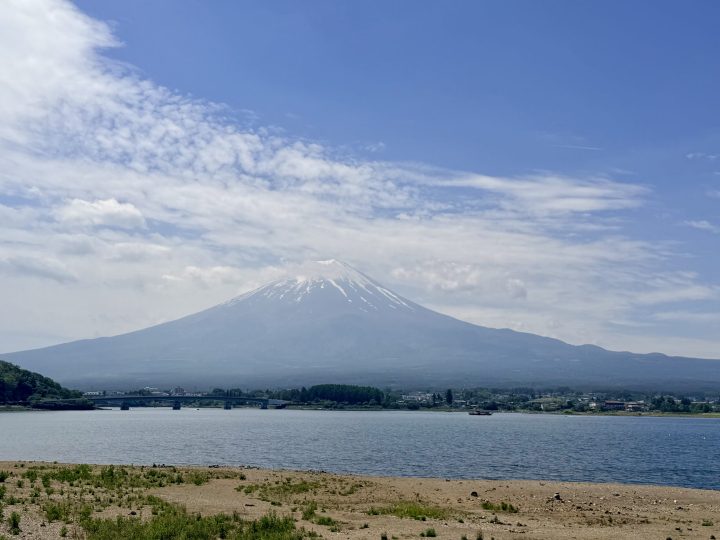
The best part came before we even arrived. As the bus came through the mountains, Mt Fuji suddenly appeared and seemed to become bigger as we got closer. At 3,776 meters, it is the highest mountain in Japan, but that number does not really prepare you for how huge it looks when you finally see it. I was so lucky and I could see almost the whole mountain from the bus. After looking for it for half the journey, there it finally was.
Where to stay in Fujikawaguchiko
For two nights I stayed at Super Hotel Fujikawaguchiko Tennenonsen. I paid around 115 USD, including breakfast and use of the onsen, but check current pricing via Booking. The hotel is a little outside the area around Kawaguchiko Station, although Fujikawaguchiko does not really have one compact center. Hotels, restaurants and sights are quite spread out, so expect to walk, cycle or use local transport. Having an onsen at the hotel was a nice extra. You also get Japanese-style clothes to wear around the hotel and to the bath. The onsen was the least luxurious one of my Japan trip, but still very nice after cycling and walking all day. Breakfast was included, with mainly Japanese food and only a few Western options. For the price, it worked well for two nights, especially with the onsen included.
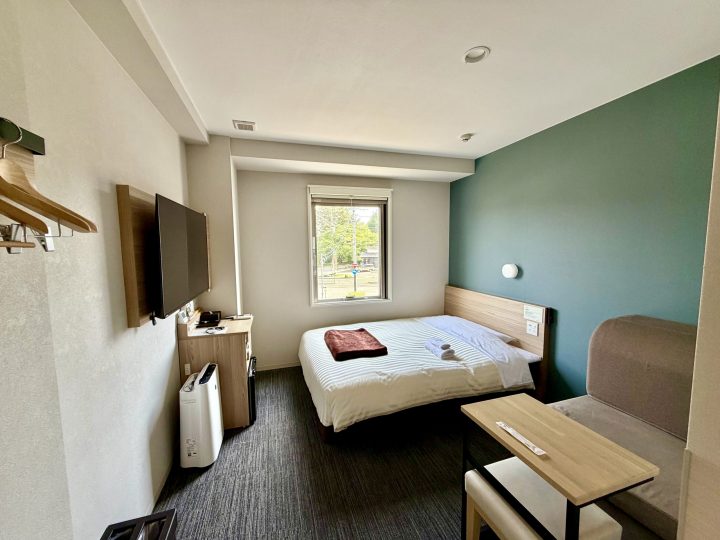
I stayed at Super Hotel Fujikawaguchiko Tennenonsen for two nights. Check the latest rates of Fujikawaguchiko hotels on Booking.com, especially if you want a hotel with an onsen.
When is the best time to see Mt Fuji?
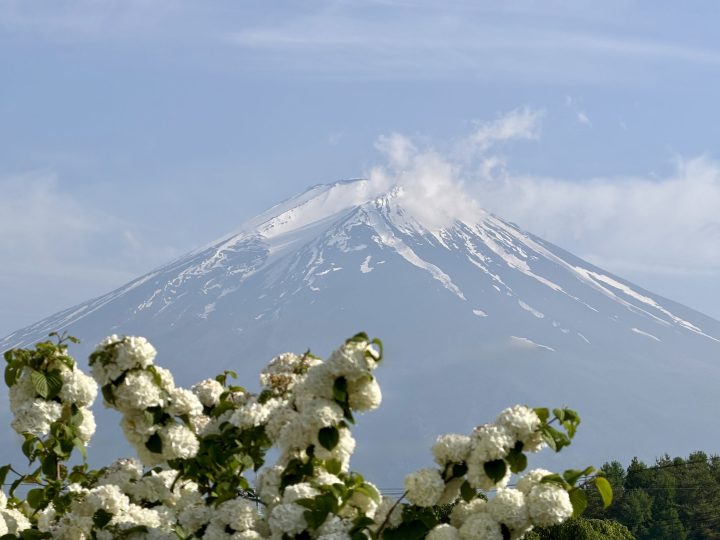
Mt Fuji is completely visible from the Kawaguchiko area on roughly 80 to 100 days a year and partly visible more often, so you really need some luck. You have the best chance in winter and early in the morning. Mt Fuji is often partly covered in snow, just like you know it from the photos. The rainy season from early June into July is less reliable. Rain was expected the next day, so after checking into the hotel it was straight back outside. No saving the best views for tomorrow.
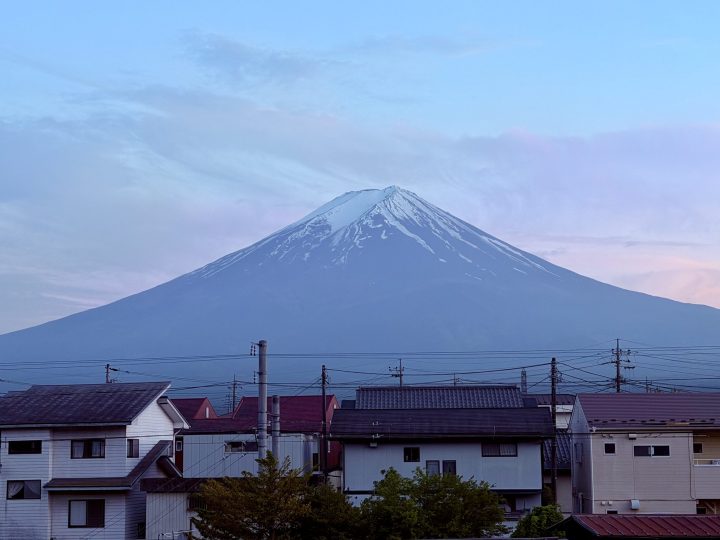
If Mt Fuji is clear when you arrive, make the most of it; the next day it may be hidden behind the clouds!
7 Things to Do Around Mt Fuji in Two Days
1. Rent an electric bike in Kawaguchiko
Fujikawaguchiko is quite spread out, so renting a bike gives you much more freedom than planning everything around buses. After taking the first photos of Mt Fuji near the hotel, it was back towards Kawaguchiko Station to find a bike. A 24-hour electric bike at Rental Bike Chillspot Kawaguchiko cost ¥2,600. The bike was almost new and the battery had a range of around 60 kilometers, which was more than enough for the next day.
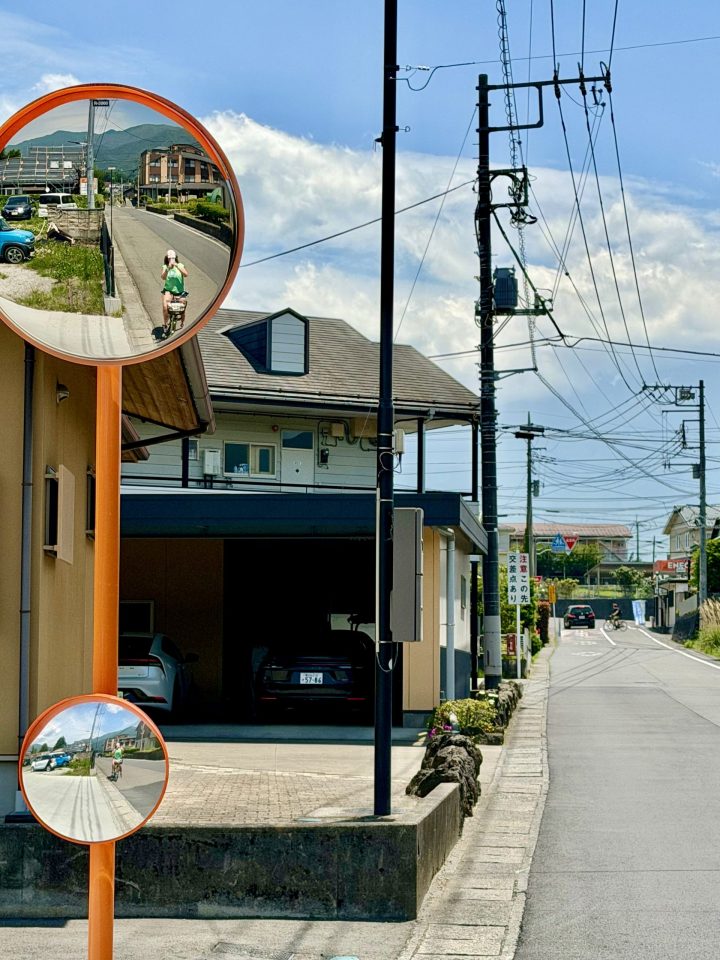
Cycling on some of the streets took a little getting used to because there are not always separate bike lanes, but traffic felt calm and safe. Around the lake there are also sections with proper cycling and walking paths. And getting back on a bike felt good; still a Dutchy!!
2. See Chureito Pagoda with Mt Fuji at sunset
With rain predicted for the next day, Chureito Pagoda was my first proper stop. It was already getting dark when I cycled to Arakurayama Sengen Park, so I hoped I would make it to the viewpoint in time. Park your bike near the bottom and continue on foot past Niikura Fuji Sengen Shrine. From there, the Sakuya-hime staircase has 398 steps leading towards the five-story Chureito Pagoda and the viewpoint above it. After the bike ride, that was definitely a proper climb.
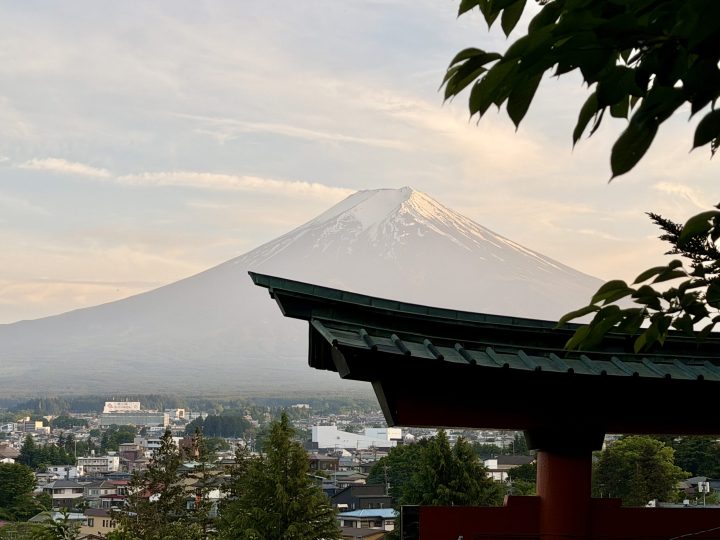
You have probably seen this view before in photos of Japan: the red pagoda, Fujiyoshida below and Mt Fuji in the background. By the time I reached the top, the sun was already going down, but the mountain was still visible and there was just enough time for some good photos.
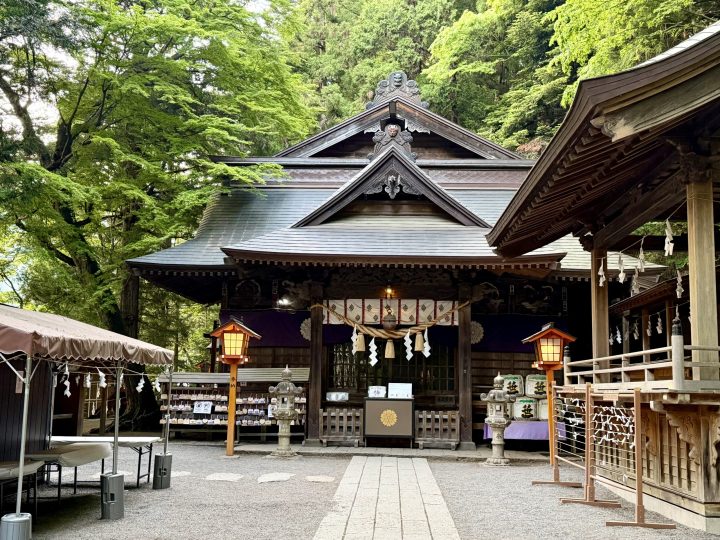
Morning may give you a better chance of a clear view, but with rain forecast for the next day, waiting until then was not going to happen.
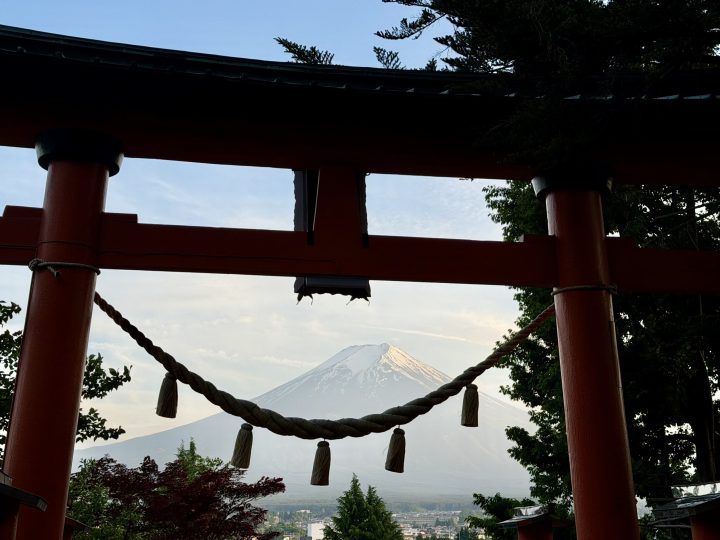
3. Cycle around Lake Kawaguchi
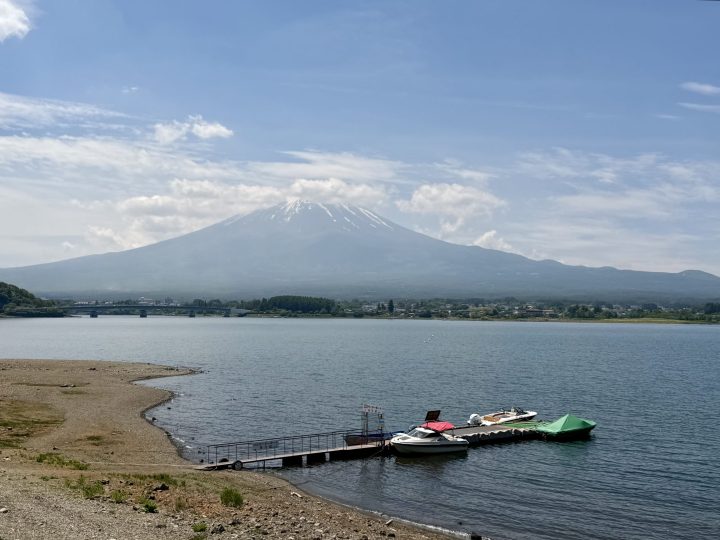
The next morning turned out much better than expected. No rain, and Mt Fuji was still visible, so with plenty of battery left the electric bike came straight back out. Cycle across Kawaguchiko Ohashi Bridge for a different view of the lake and Mt Fuji. There is a separate area for cyclists and pedestrians, which is much nicer than cycling between the cars. From the other side, continue along the northern shore of Lake Kawaguchi and stop whenever you find a good view. This was probably my favorite part of exploring Fujikawaguchiko. No fixed route or timetable, just the bike, the lake and Mt Fuji in the background.
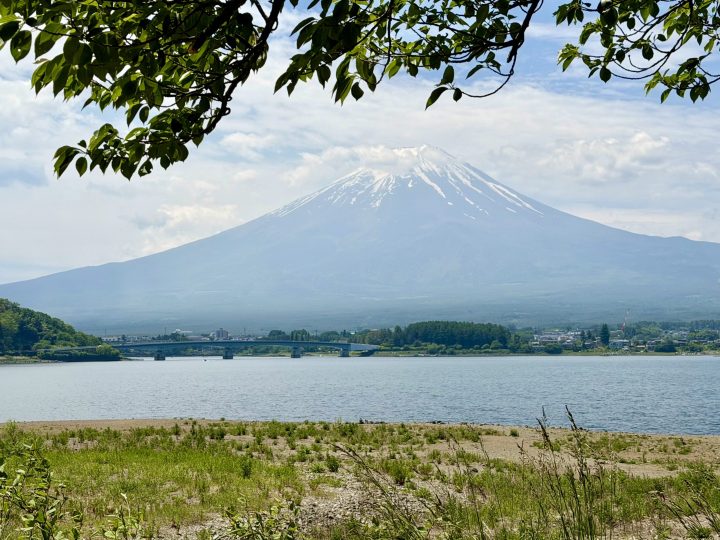
You can cycle all the way around Lake Kawaguchi, but I went roughly halfway before stopping at Hidamari Coffee for an iced matcha latte and matcha cheesecake. If you have more time, continue towards Oishi Park on the northern shore for another open view across the lake towards Mt Fuji.
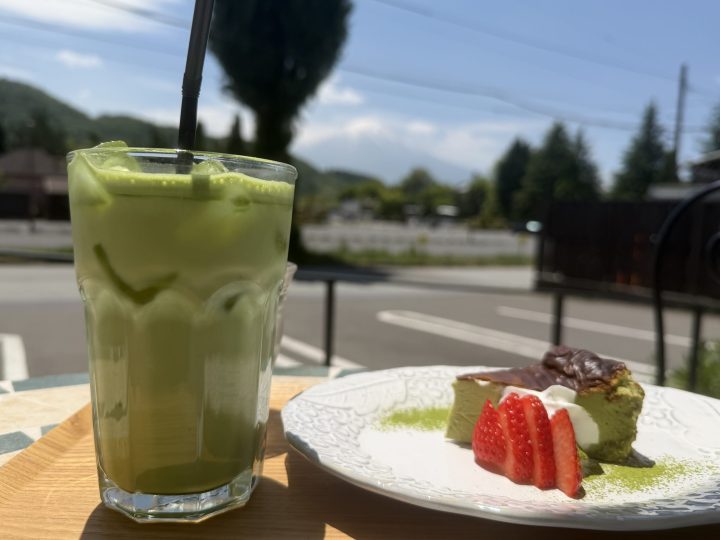
4. Take a boat trip on Lake Kawaguchi
At one of the small beaches along the lake, there were men offering boat trips. I stayed on the bike, but this is an easy extra to add if you have more time. The official Lake Kawaguchiko sightseeing boat Appare also leaves from Funatsuhama near Kawaguchiko Station. On a clear day you get another view of Mt Fuji from the water. For me, the bike won that day; the weather was too good to stop cycling.
5. Take the Mt Fuji Panoramic Ropeway
Continue back along the lake and you pass hotels and restaurants before reaching the Mt Fuji Panoramic Ropeway. Normally, the cable car takes you up Mt Tenjo in only a few minutes for views over Lake Kawaguchi and Mt Fuji. Unfortunately, it was under maintenance when I visited. There was still plenty to see around the lake, but I would definitely have gone up if it had been running. From here it was back towards the hotel, with quite a few cycling kilometers already done.
Check the official Mt Fuji Panoramic Ropeway website before you go. Maintenance and weather can affect the service.
6. Eat the famous fluffy pancakes at Fujisan Pancake
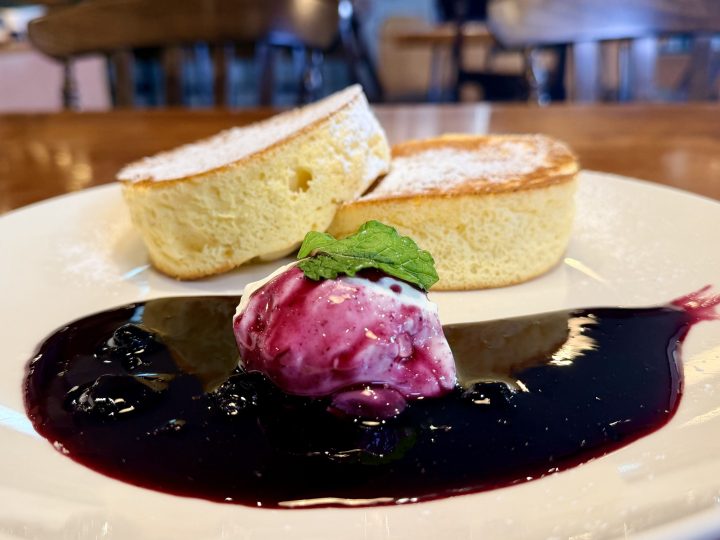
Almost around the corner from my hotel was Fujisan Pancake, known for its thick Japanese fluffy pancakes. A healthy lunch after all that cycling would probably have made more sense, but not this time. The fluffy pancakes with raspberry sauce take around 20 to 30 minutes to prepare. They are baked in a special oven made with Mt Fuji lava, which keeps them soft and fluffy. Not exactly a light lunch, but very good.
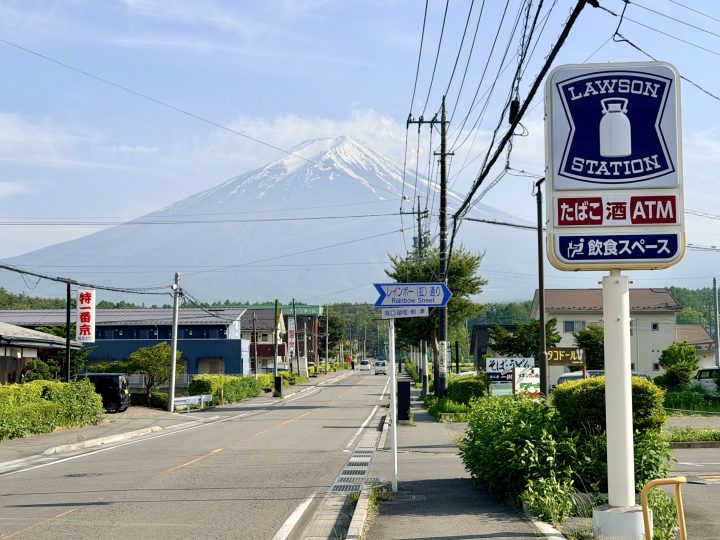
7. Take the famous Mt Fuji Lawson photo
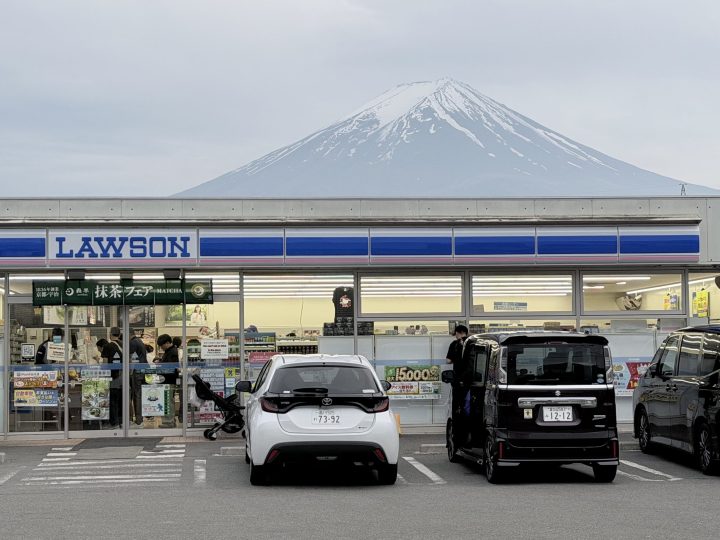
After a short break at the hotel, I walked to the nearby shopping mall to buy an umbrella. Better to be prepared. This was already quite a full Japan trip, and Tokyo was still to come! Later in the afternoon, cycle back towards Kawaguchiko Station for another famous Mt Fuji photo. The Lawson convenience store with Mt Fuji in the background has become one of the best-known photo spots in Fujikawaguchiko, even though it is basically a normal convenience store with a very good mountain behind it.
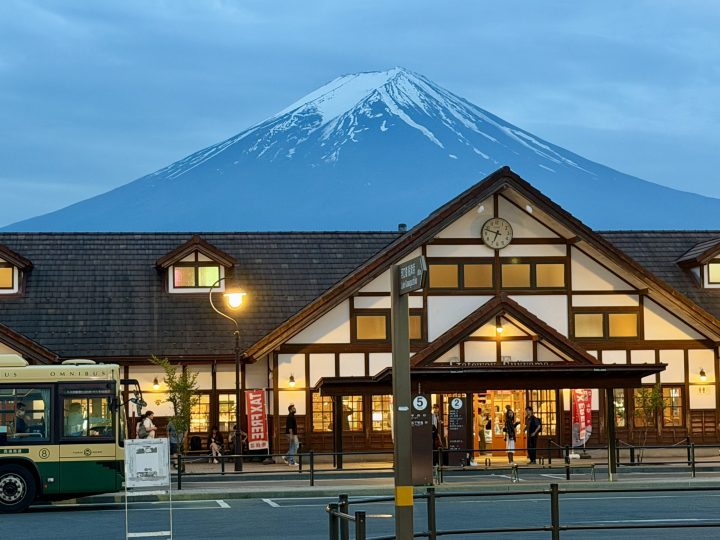
Of course I took the photo too, but I still do not completely understand the hype. Personally, I thought the view of Mt Fuji around Kawaguchiko Station was even better.
Climbing Mt Fuji from Kawaguchiko
Climbing Mt Fuji is another reason people come to this area, but it was not part of my trip. May is outside the official climbing season and the summit trails are still closed. The Yoshida Trail on the Yamanashi side normally opens during the summer climbing season. If climbing Mt Fuji is the main reason for your visit, check the official opening dates and current rules before making plans. Seeing Mt Fuji from below was more than enough for me this time.
Where to eat in Fujikawaguchiko
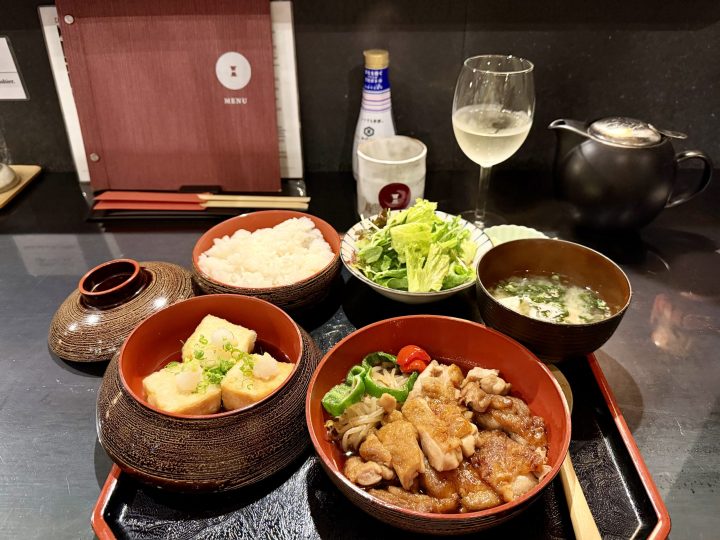
On the first evening, Shaw’s Sushi Bar & Dining near Kawaguchiko Station was a good stop for dinner. The yakitori came with rice, tofu, soup and salad and cost around $25. On the second evening I ate at Sumiyaki Tocoro, also near the station, and had a salmon rice bowl. It was quite busy inside, but the service was good and so was the food. Both are good choices!
Let Me Inspire You Takeaways
Stay two nights in Fujikawaguchiko if seeing Mt Fuji is important to you. One cloudy day can hide the mountain completely, while two nights give you a few more chances and enough time to explore without rushing. For me, many of the best things to do around Mt Fuji were easy to combine by bike. Renting an electric bike worked very well for me. Cycle around Lake Kawaguchi, go to Chureito Pagoda and add the ropeway or a boat trip if you have time. And if Mt Fuji is clear, don’t wait until tomorrow to take those photos. Two nights felt about right for my Japan route before continuing to the final stop: Tokyo.
From Mt Fuji to Tokyo
The next morning the bus left Kawaguchiko Station at 9:00 and went directly to Shinjuku Expressway Bus Terminal, with a scheduled arrival at 10:45. The bus to Shinjuku costs around ¥2,200 one way, roughly $15. Traffic into Tokyo was busy, so the bus arrived at around 11:15. You can compare bus times and tickets from Fujikawaguchiko to Tokyo on 12Go. From Shinjuku, take the JR line to Akihabara and change to the Tsukuba Express for Asakusa. The total fare is around ¥440, roughly $3.
I stayed at Asakusa Kokono Club for four nights and chose Asakusa because I wanted somewhere lively, but not right in the middle of Tokyo’s busiest areas. After two days around the lake and Mt Fuji, Tokyo was quite a change, but Asakusa turned out to be a very good choice for my first stay in the city.
Read next: Best Area to Stay in Tokyo: Why I Chose Asakusa