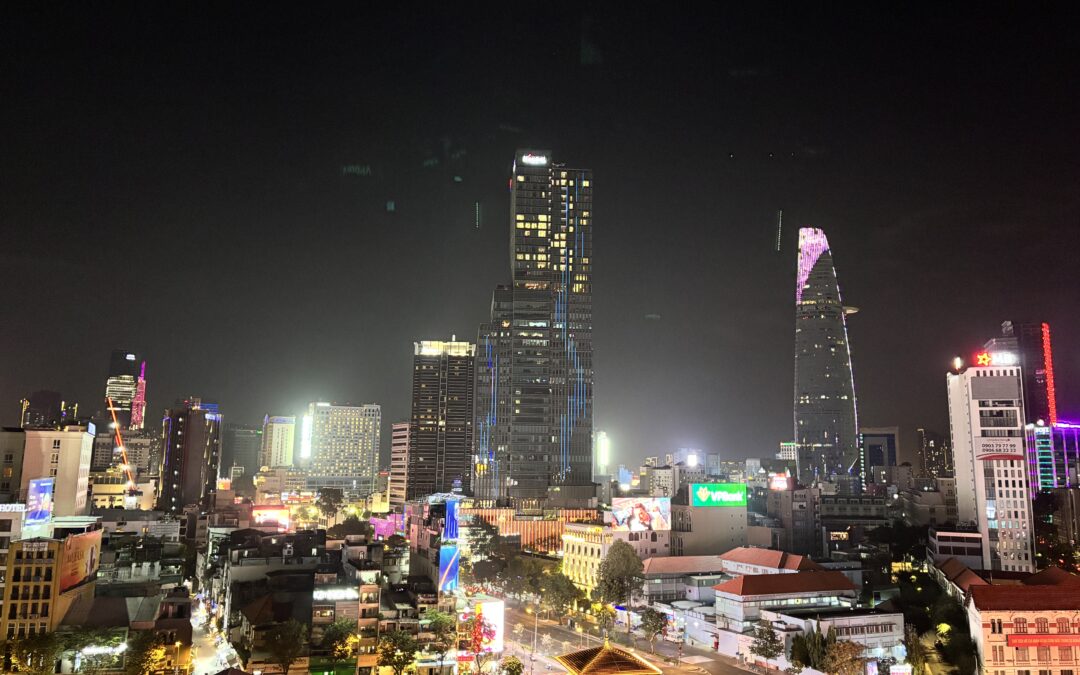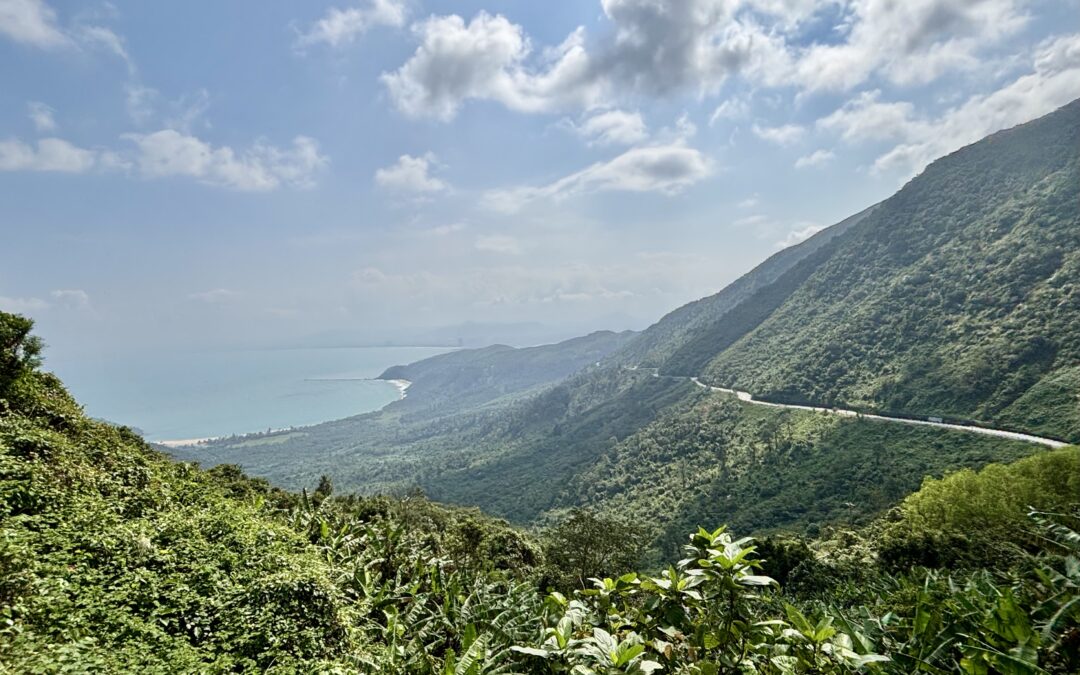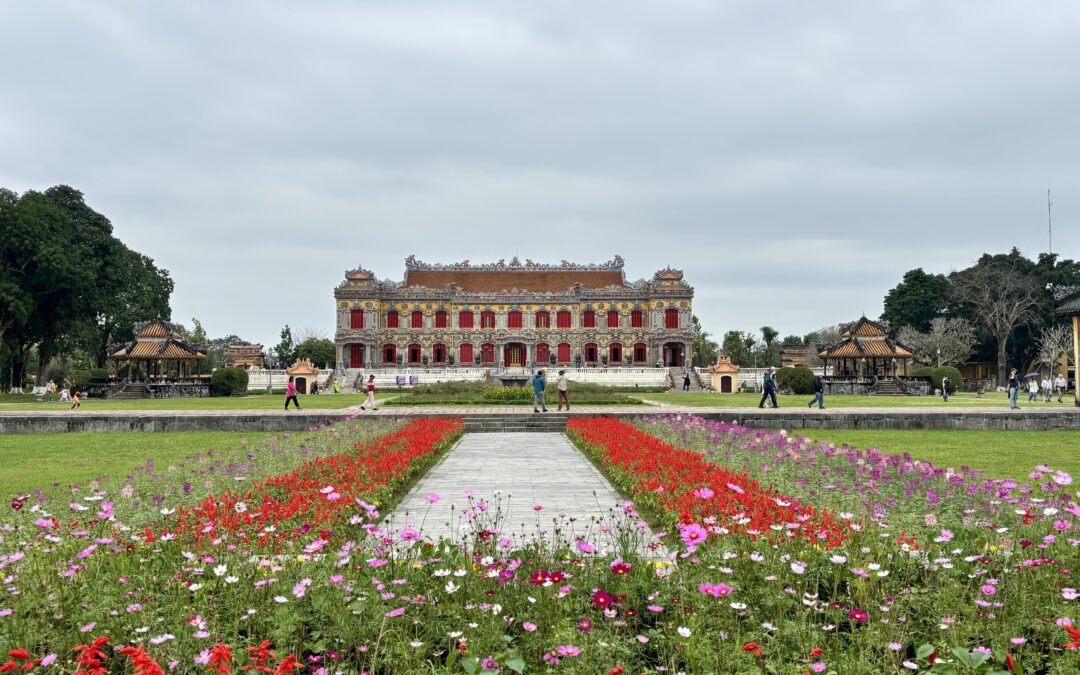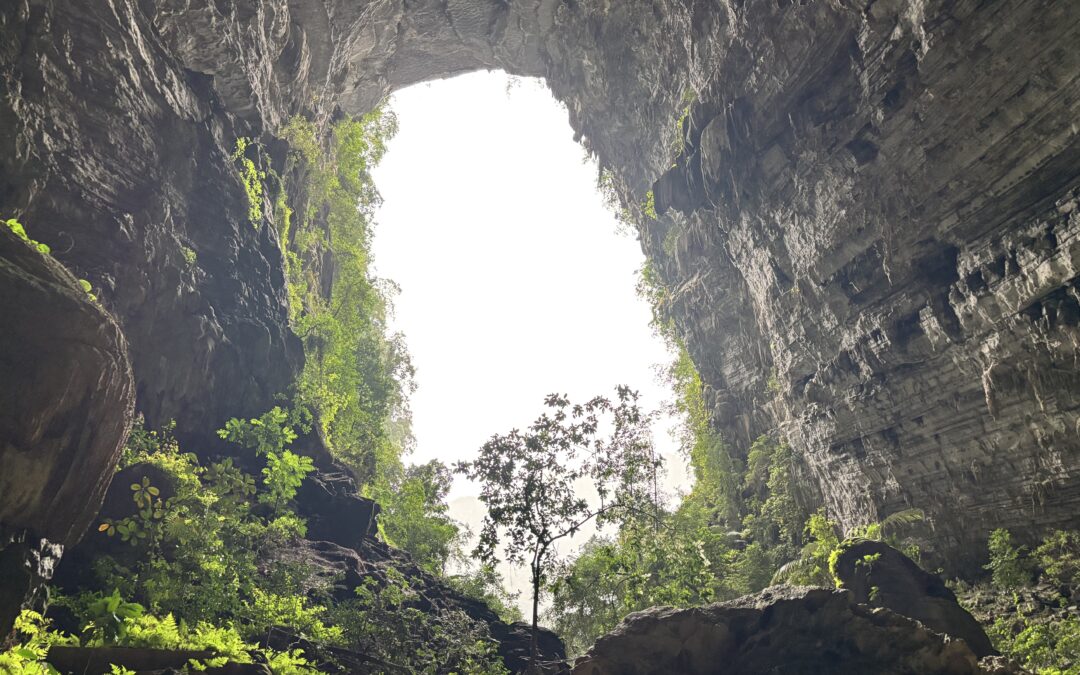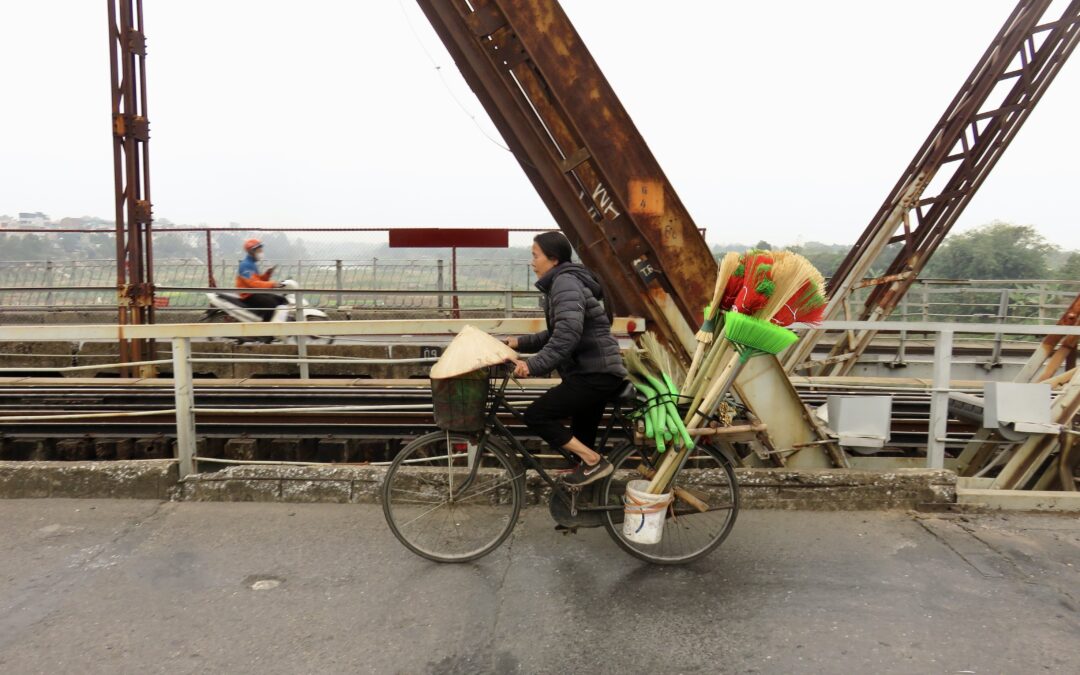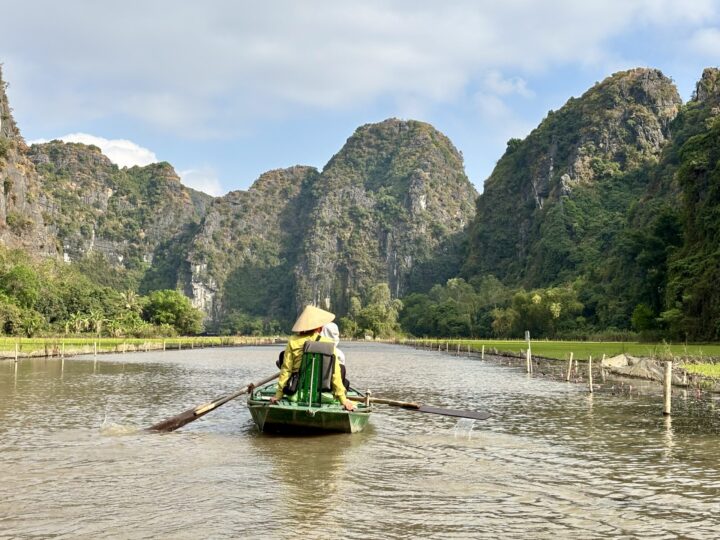
I visited Vietnam in January and February 2025 for 3.5 weeks, traveling from north to south. Because Vietnam is such a long country, the weather, transport and even what you need to pack can change quite a lot along the way. These are the practical Vietnam travel tips I learned before and during my trip, from visas and weather to mobile data, costs and getting around. If you are still planning your route, check my suggested 3 to 4 week Vietnam itinerary as well.
Vietnam visa requirements
Check the visa requirements for your nationality well before departure. Vietnam has an official eVisa system, with visas currently available for stays of up to 90 days. Apply through the official Vietnam immigration website and give yourself enough time. You need passport details, a photo and accommodation information as part of the application.
Make sure your visa is sorted before you leave. KLM checked mine before boarding and I would not have been allowed on the flight without the correct visa details.
I learned this one the expensive way. I applied too late and needed a fast-track service through Vietnam Immi Organization. My experience with them was very good. Because of the time difference, it was already nighttime in Vietnam when I contacted them, but the next morning my visa arrived as promised. I paid around US$200, and at Hanoi Airport someone was waiting with my name and guided me through immigration. I even skipped the very long queue. Expensive? Yes. But at that point, a good night’s sleep was worth quite a lot too.
Visa rules can change, so always check the official Vietnam immigration website before traveling.
Weather in Vietnam
There is no single Vietnam weather forecast that works for the whole country.
North Vietnam
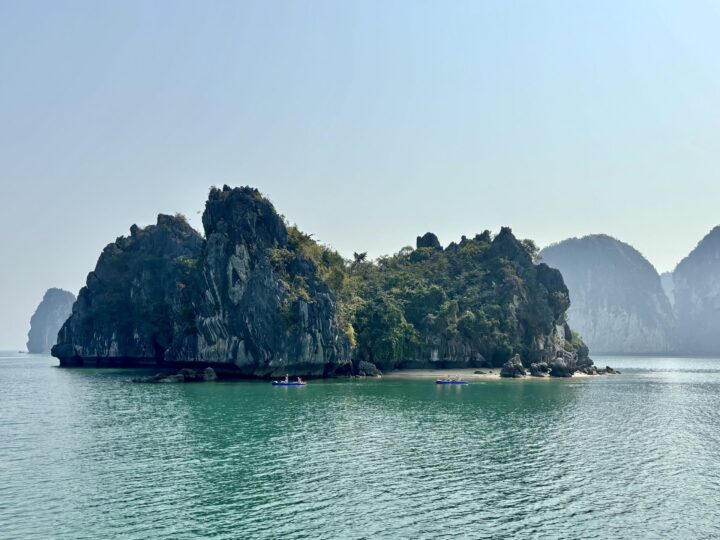
Hanoi, Halong and Lan Ha Bay and Ninh Binh can be surprisingly cool in winter. I was there in January and had mostly dry and sunny weather, with daytime temperatures around 15–20°C but much cooler evenings. Bring a jacket and long pants. I deliberately skipped Sapa. January can be cold, wet and misty, and the rice terraces do not have that bright green look you see in summer photos. I had traveled to Vietnam to escape the cold and wet Netherlands, so going looking for more of it did not make much sense to me.
Central Vietnam
I traveled through Hue, Phong Nha and Hoi An in February and generally had lovely warm weather. Phong Nha gave me some rain, but considering I was going canyoning and caving in a rainforest, I could hardly complain.
South Vietnam
Ho Chi Minh City, the Mekong Delta and Phu Quoc felt much more tropical. By the time I reached southern Vietnam, it felt completely different from Hanoi a few weeks earlier.
Check the weather for every part of your itinerary. North, Central and South Vietnam can feel like three different trips.
Vaccinations and mosquitoes
Travel health advice depends on your route, length of stay and personal health situation. Check your routine vaccinations and ask a doctor or travel-health professional whether you need anything additional for Vietnam. Mosquito protection is important too. Dengue occurs in Vietnam, while malaria risk depends on where you travel.
Bring mosquito repellent and actually use it. Having it somewhere at the bottom of your suitcase doesn’t help much.
I’m not a doctor, so check vaccinations and malaria advice with a professional before your trip.
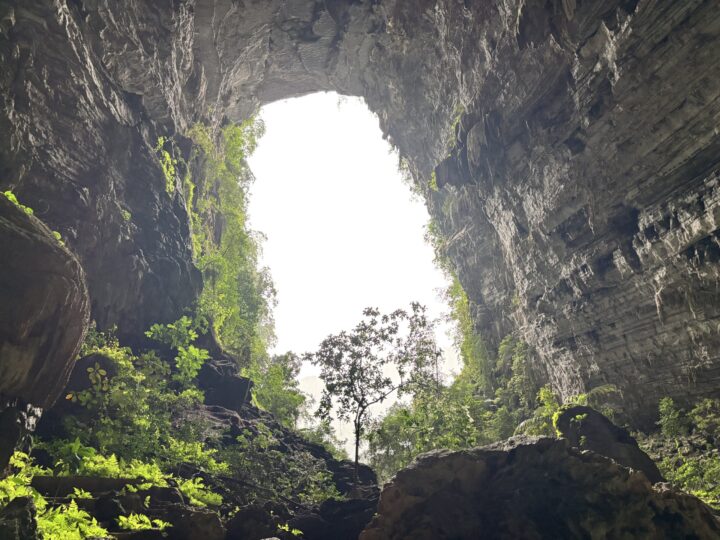
Mobile SIM card and eSIM in Vietnam
Staying connected in Vietnam is easy and relatively affordable. You can buy a local prepaid SIM from providers such as Viettel, Mobifone or Vinaphone after arrival. I chose a local SIM. My H-Hotel in Hanoi even arranged for someone to come to the hotel and install the SIM on my phone for 300k VND. Like I said, Vietnam can be incredibly service-minded! If you prefer to arrange your data before departure, an eSIM is another easy option. Airalo lets you install one before your trip, so you can be online as soon as you arrive.
Prefer an eSIM for Vietnam? Check the Airalo Vietnam eSIM options here. New users can currently save 15% on their first eSIM with code NEWTOAIRALO15.
Language in Vietnam
Vietnamese is the official language, but I managed well with English during most of my trip, especially in hotels, restaurants and tourist areas. English can be more limited in smaller places. Learning a few Vietnamese words is nice, and Google Translate becomes your friend very quickly.
How much does Vietnam cost?
Vietnam can still be very affordable, although your daily costs depend on how you travel. These are USD price indications from my 2025 trip, not fixed prices you should expect everywhere.
Accommodation
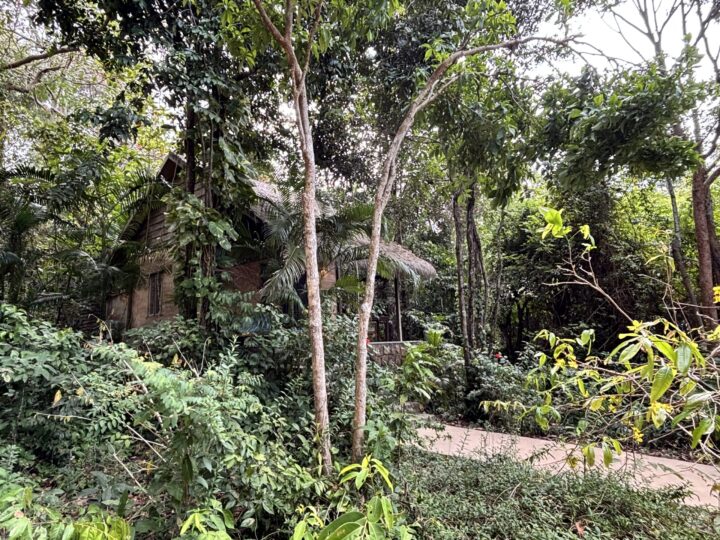
Budget accommodation can start around US$10–15 per night, while good mid-range hotels were often around US$30–60. I stayed at places such as Cozy An Boutique Hotel in Hoi An. At the higher end, resorts such as Mango Bay on Phu Quoc can easily cost US$100 or more. Vietnam is one of those destinations where spending a little more on accommodation can give you quite a lot more comfort without immediately destroying your budget.
Transport
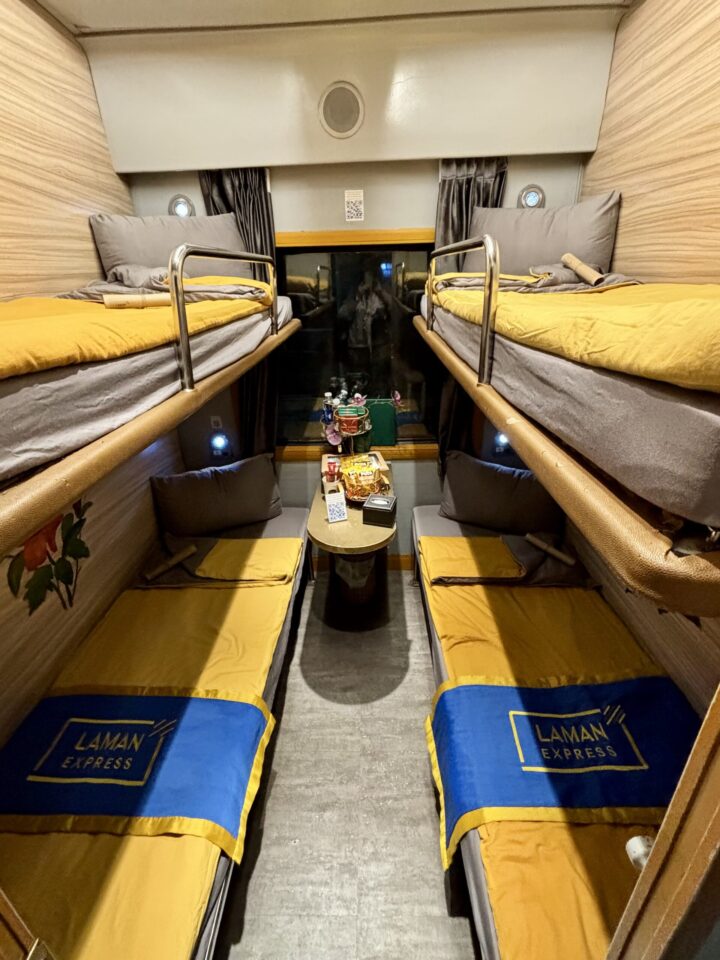
I used trains, Grab, private transfers, domestic flights and motorbikes during my trip. Grab was very convenient in the cities. For longer journeys, I used 12Go Asia to compare and book transport in advance. Take the train between different parts of Vietnam, including the route south from Ninh Binh. The train between Hue and the Da Nang/Hoi An area is particularly scenic. But one of my favorite transfers was the Easy Rider from Hue to Hoi An. It turned a normal travel day into one of the experiences of the trip. Scooter rental was often around US$5–10 per day during my visit. Only rent one if you are comfortable riding and have the correct documents and insurance.
Food
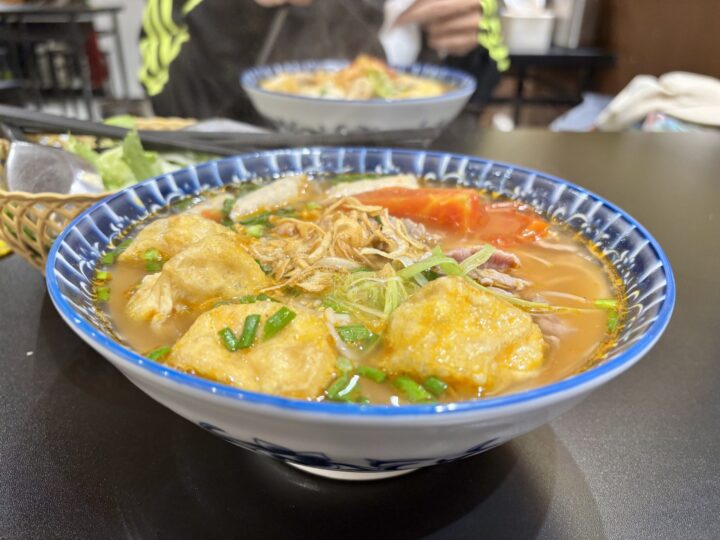
Eating in Vietnam does not need to cost much. Simple street-food meals could easily be around US$2–5 during my trip. A nicer restaurant might be around US$10–20 per person. I liked mixing inexpensive local food with a few better restaurants along the way. Food alone is a very good reason to return to Vietnam.
Additional Vietnam travel tips
Respect local customs and dress appropriately when visiting temples and religious sites. When photographing people, I prefer to ask first. Good travel insurance is worth arranging too. Medical costs, cancellations and lost belongings become much less theoretical once something actually goes wrong.
Pack for your route rather than just for “Vietnam.” Lightweight clothes work well in the south, but take a jacket and long trousers for the cooler north. For hiking, canyoning or caving around Phong Nha, bring proper shoes with grip. You can find more ideas in my travel packing tips.
If you forget something, don’t panic. You can buy almost anything locally, including plenty of fake brands at the markets.
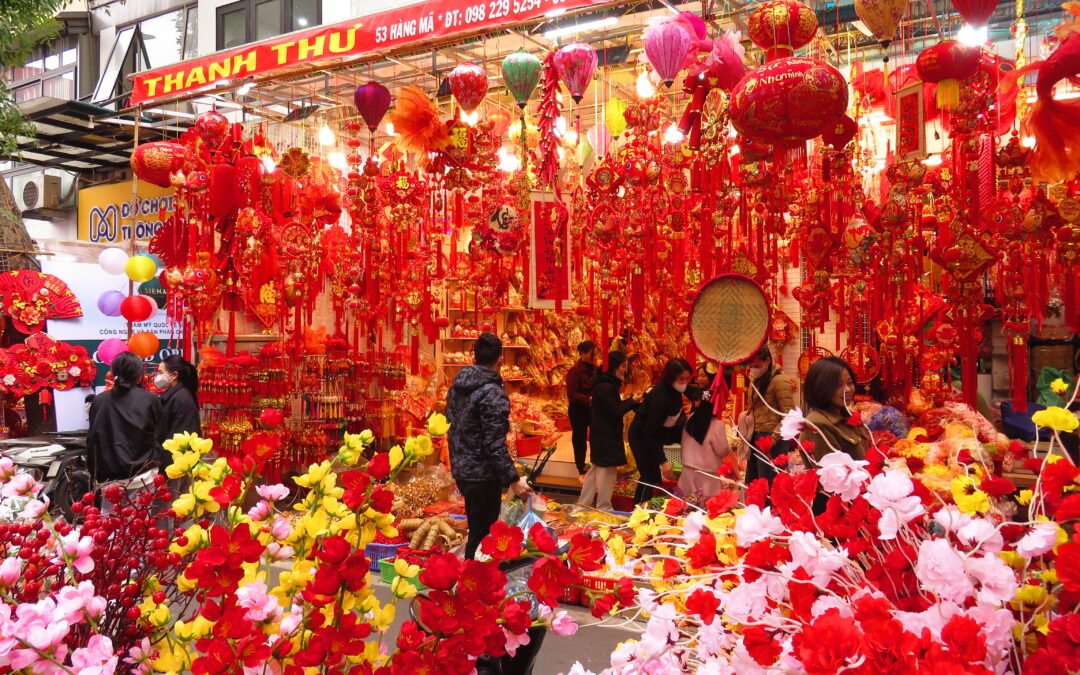
Bring sunscreen, insect repellent and a reusable water bottle. I also always carry disinfectant or cleaning wipes when traveling. And check whether your trip coincides with TET. I traveled during Vietnamese New Year and wrote a separate blog about the experience. It is a very special time to be in Vietnam, but the whole country is traveling too, so transport and hotels can become busy and some businesses close temporarily. Read my complete guide about traveling in Vietnam during TET before planning your dates.
My final Vietnam travel tip
Traveling from north to south showed me how different one country can feel along the way. Hanoi in January was nothing like Phu Quoc a few weeks later, and that variety was one of the things I enjoyed most. Plan the important things, especially your visa and longer transport, but leave some room to change your plans. And if something goes wrong? Vietnam has a remarkable way of producing someone who can fix it.
Planning your Vietnam route? Start with my 3 to 4 week Vietnam itinerary and use these tips to prepare the practical side of your trip.