Peru is quite easy to travel independently, but a little preparation makes your trip much easier. Before you leave, check your passport and visa, vaccinations, travel insurance and the weather for the places on your route. Also think about altitude, money and the long distances between destinations. I traveled through Peru during my three month sabbatical in South America. I came from Bolivia, traveled through the Andes and continued north along the coast before crossing into Ecuador. Most things were easy to arrange along the way, but these are the Peru travel tips I would check before going again.

Peru travel requirements
Visa rules depend on your passport, so check the requirements for your own nationality before you book. For many tourists a visa is not needed for a normal holiday, but this is something to check yourself. Also look at how long your passport needs to be valid. Peru currently requires at least six months validity when entering the country. Your allowed length of stay can depend on your nationality and the decision made when you enter Peru, so check this before your trip as well. It is also smart to have your return or onward travel information and the address of your first hotel ready.
Check your passport, visa and entry requirements again shortly before departure because these rules can change.

Vaccinations and health in Peru
Which vaccinations you need depends on your health and where you are going in Peru. A trip to Lima, Arequipa, Cusco and Machu Picchu is different from a trip into the Amazon. I had several travel vaccinations before my South America trip, but I would never copy somebody else’s vaccination list. Take your route to a travel clinic or doctor and ask what applies to you. Yellow fever and malaria are mainly things to check when you travel to lower tropical areas. Malaria risk is higher in parts of the Amazon and east of the Andes, while the usual route through Lima, Arequipa, Cusco, Machu Picchu and Lake Titicaca has different advice.
Bring mosquito repellent anyway. Even when malaria is not an issue on your route, mosquitoes can still be very annoying.
Arrange your health advice several weeks before departure. Some vaccinations need time before they give full protection.

Take altitude seriously
Altitude is something you will probably notice in Peru. Cusco is around 3,400 meters above sea level and Puno is even higher. I got very sick from altitude sickness in Bolivia, so I know this is not something to ignore. Give yourself some time when you first arrive in a high area. Do not land in Cusco and plan a full day straight away. Take it easier, drink enough water and see how your body reacts.
If you have health problems, feel very unwell or are worried about altitude, talk to a doctor and do not continue higher until you feel better.

Best time to visit Peru
There is no one best time to visit Peru because the weather is very different around the country. The Andes around Cusco and Machu Picchu have a drier and a wetter season. The coast is different again and the Amazon is tropical and wetter. I traveled through Peru between December and March, during the wetter season in the Andes. I expected much more rain, but actually had quite good weather during my trip.
Check the weather for the places on your own route before you go. Conditions in Lima can be completely different from Cusco or Máncora.

Is Peru safe for tourists?
Safety was one of the questions people asked when I told them I was traveling alone through South America. I never felt unsafe during my time in Peru. Of course I paid attention. I watched my belongings, did not walk around showing valuables and normally took a taxi from bus stations to my hotel. Do the same things you would do in other large cities. Keep your phone away when you do not need it, use ATMs in sensible places and ask your hotel which areas are fine to walk around after dark. It is also useful to check the current situation before you travel. Demonstrations and roadblocks can sometimes affect transport in Peru.
You can read more about how I travel in my 20 Solo Female Travel Safety Tips.

Solo travel in Peru
Peru was easy for me to travel alone. In the main tourist places there were plenty of hotels, tour companies and transport options, so arranging the trip by myself was not difficult. Sometimes I joined a tour and other times I arranged things independently. Machu Picchu, for example, I organized myself with the train and entrance ticket. When traveling solo, I sometimes choose a little more comfort when it makes sense. A better night bus, a hotel in a good location or a taxi after arriving late can be money well spent. Compare hotels through Booking.com or Expedia once you know your route.
Traveling alone too? Read my 10 Solo Travel Tips for Women with the things I have learned from years of solo travel.
Transport in Peru
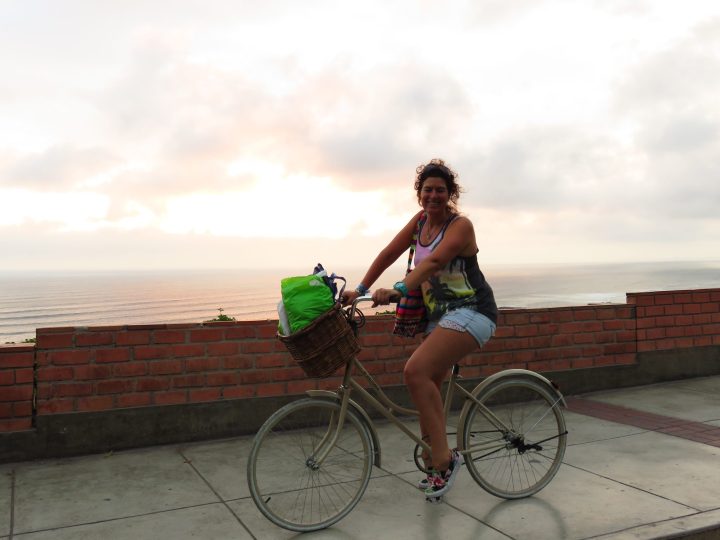
I traveled around Peru with a mix of long distance buses, night buses, domestic flights, taxis, collectivos and trains. Cruz del Sur was one of the bus companies I used several times. The long distance buses were comfortable and night buses saved me a hotel night and a full day of traveling. Peru is big and distances can take longer than they look on the map, especially through the Andes. Compare buses through 12Go, but also check domestic flights when the distance is long. I normally took a taxi from the bus station to my hotel. For Machu Picchu I used the train and arranged the trip myself. You do not need a rental car for the normal Lima, Arequipa, Cusco and Machu Picchu route. If you want to explore one area independently, compare Discover Cars and decide if driving makes sense for your trip.

Money in Peru
The local currency is the Peruvian Sol, shown as PEN or soles. Exchange rates change, so check the current rate before you travel. US dollars are also accepted in many hotels, restaurants and tourist businesses. I used ATMs during my trip and could pay by card in many places, but I always carried some cash too. Keep some Peruvian soles for smaller restaurants, markets, taxis and local shops. ATM fees depend on the bank and your own card. Check the fee before accepting the withdrawal and preferably use an ATM inside a bank or shopping center. I also travel with more than one card and keep the spare one somewhere else. If one card stops working, you still have another option.

eSIM, WiFi and offline maps
Having mobile data is very useful when traveling independently in Peru. You can contact your hotel, check transport and find your way around without depending on WiFi. Airalo lets you install an eSIM before you leave, so you can have data shortly after arriving in Peru. New Airalo users can use code NEWTOAIRALO15 for 15% off their first eSIM. Download an offline map as well. I used Maps.me during my South America trip, and Google Maps also lets you save areas for offline use. This is useful when reception disappears or you want to save data.
Install your eSIM at home while you have reliable WiFi and check the activation instructions before switching it on.

A little Spanish helps
You do not need perfect Spanish to travel in Peru, but a few basic words make things easier. Ordering food, asking a price or explaining where you want to go becomes much simpler. It also makes contact with people more fun. I used Duolingo before my trip to practice basic Spanish. My Spanish was definitely not perfect, but it was enough to try.

Food in Peru
Do not forget to make time for food. Peru surprised me with how well I ate during the whole trip. My dinner at Central in Miraflores, Lima was one of the special restaurant experiences of my South America trip. But good food was certainly not limited to Lima. I also found nice restaurants in Cusco and Arequipa. Once I reached the coast, fresh ceviche became part of the trip in Huanchaco and Máncora.

Other useful Peru travel tips
Bring layers. You can leave a warm coast and travel into the Andes where you suddenly need a sweater or jacket in the evening.
Sunscreen is important at altitude too, even when it does not feel very hot.
Do not plan every connection too tightly. Long bus journeys can take longer than expected and you may want an easier day after arriving somewhere high in the Andes.
You also do not need to visit every famous place in one trip. Choose the stops that interest you most and give yourself enough time to enjoy them.

FAQs about Peru travel tips
How far in advance should I prepare for a trip to Peru?
Start checking passport, visa and health requirements several months before you travel. You do not need to book your whole Peru trip that early, but Machu Picchu is the part I would arrange first once your dates are fixed.
What should I pack for the coast and the Andes in Peru?
Pack layers. Light clothes work for the warmer coast, while the Andes can be cold in the morning and evening. Bring comfortable shoes, sun protection and a light rain jacket too. If your trip includes tropical areas, add mosquito protection.

Do I need travel insurance for Peru?
I always travel with travel insurance. Check that your policy covers medical treatment, hospital costs and getting you home in an emergency. Also check the activities you plan to do. Hiking at altitude, surfing or other sports are not covered in exactly the same way by every insurance policy. Keep your insurance details and emergency number on your phone and somewhere offline too.
Let Me Inspire You Takeaways
Before traveling to Peru, check your passport and visa, arrange your health advice and look at the weather for the places on your route. Make sure your travel insurance covers the activities you plan to do as well. Bring both cash and cards, arrange your eSIM, download an offline map and leave enough room for long travel days and the altitude. Most of the practical things were easy to arrange once I was in Peru.

Ready to plan your route? Continue with my Peru Itinerary: My 3 to 4 Week Route Through Peru and use my route as inspiration for your own trip.