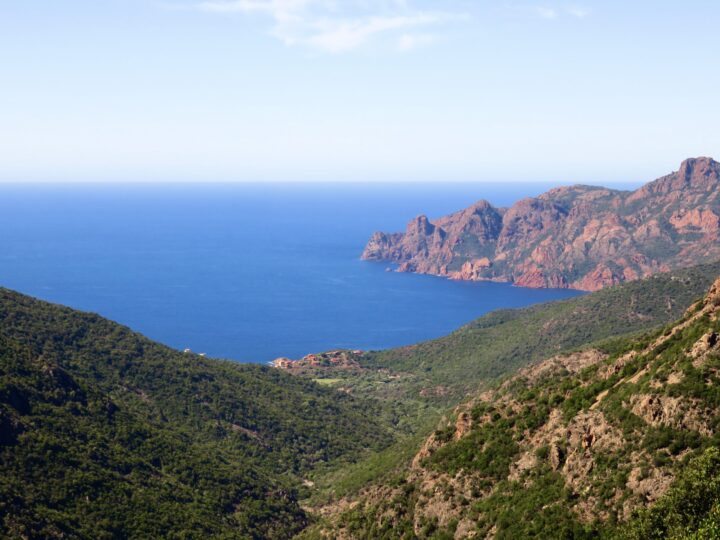
Corsica is one of those islands where the scenery changes almost every day. Dramatic mountains rise behind clear blue bays, roads twist along the coast and small villages appear when you least expect them. The scenery alone makes the journey worthwhile, but there are also plenty of things to do in Corsica beyond simply stopping at viewpoints. A road trip is the easiest way to experience the island’s variety. You can start the day in the mountains, have lunch in a village and end with a swim in the Mediterranean Sea. These are some of the best activities and highlights from my trip, with links to more detailed guides for planning the route itself.
Go walking and hiking in Corsica
Corsica is a serious hiking destination. The Regional Natural Park alone has almost 1,500 kilometers of marked trails. The island has high mountains, deep valleys and routes for every level, from relaxed coastal walks to demanding multi-day hikes. Monte Cinto, the highest mountain in Corsica, reaches 2,706 meters. This means the interior feels completely different from the beaches and marinas along the coast. Although I am more of a beach girl than a dedicated hiker, walking is still part of a Corsica trip. Many viewpoints, villages and natural sights require a short climb, while the cooler mountain areas are perfect when you want a break from the heat.
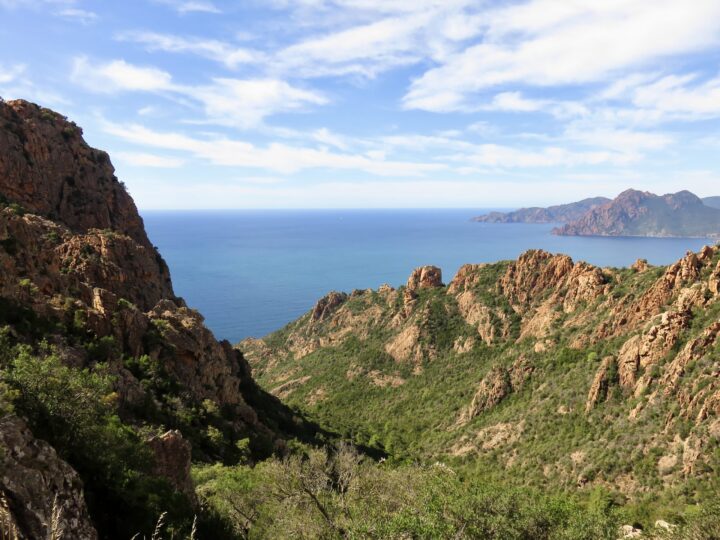
Bring proper walking shoes, even if you are not planning a full hiking holiday.
Corte is one of the best places to experience the mountain side of Corsica. Several trails start nearby, while the town itself is worth visiting for its old streets and citadel high on a rock. A short walk, a coffee in town and the drive through the mountains already give you a completely different view of the island.
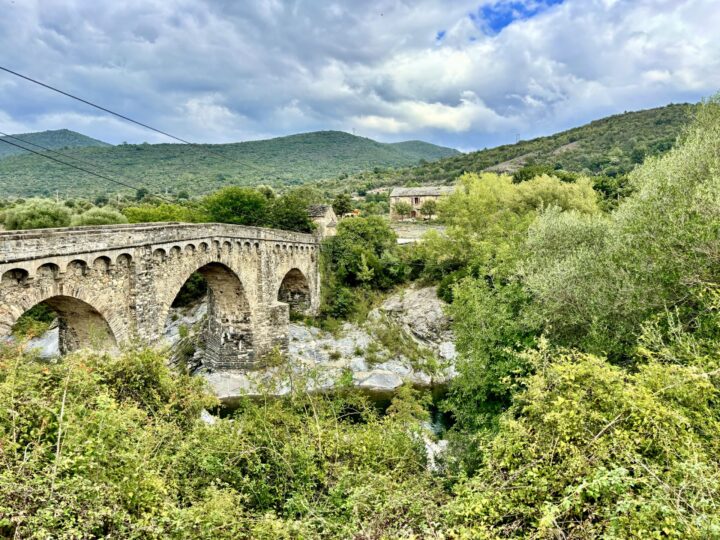
Drive through the Calanques de Piana
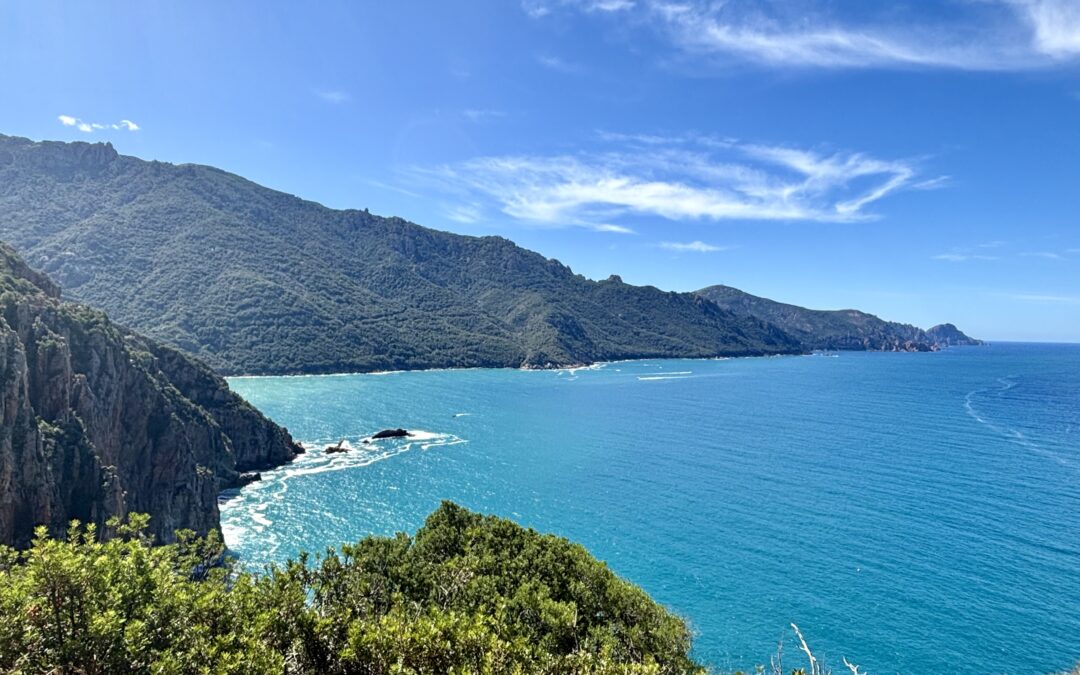
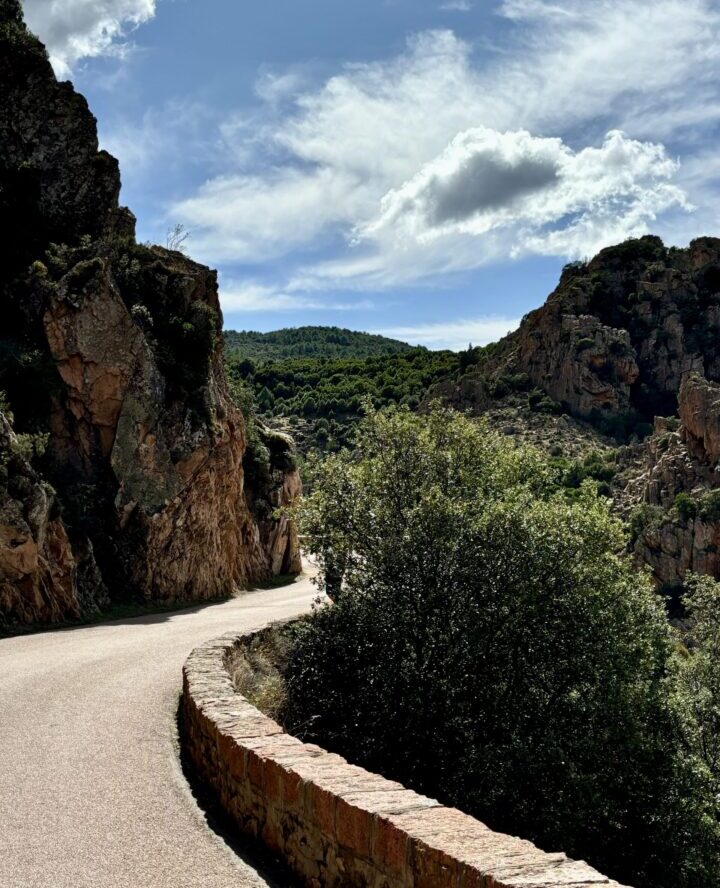
The UNESCO-listed Calanques de Piana were among the most impressive landscapes on my Corsica road trip. These red rock formations rise above the sea on the west coast and look especially striking against the blue water and sky. The road passes directly through the area, so the scenery unfolds while you drive. You reach the Calanques de Piana on the D81 between Calvi and Ajaccio. The road is narrow and winding in places, with only a limited number of safe stops. Take your time, watch the traffic and enjoy one of the most memorable road trip highlights in Corsica. This area is included in my northwest Corsica road trip guide, with more details about the route and nearby stops.
Spend time on the beaches of Corsica
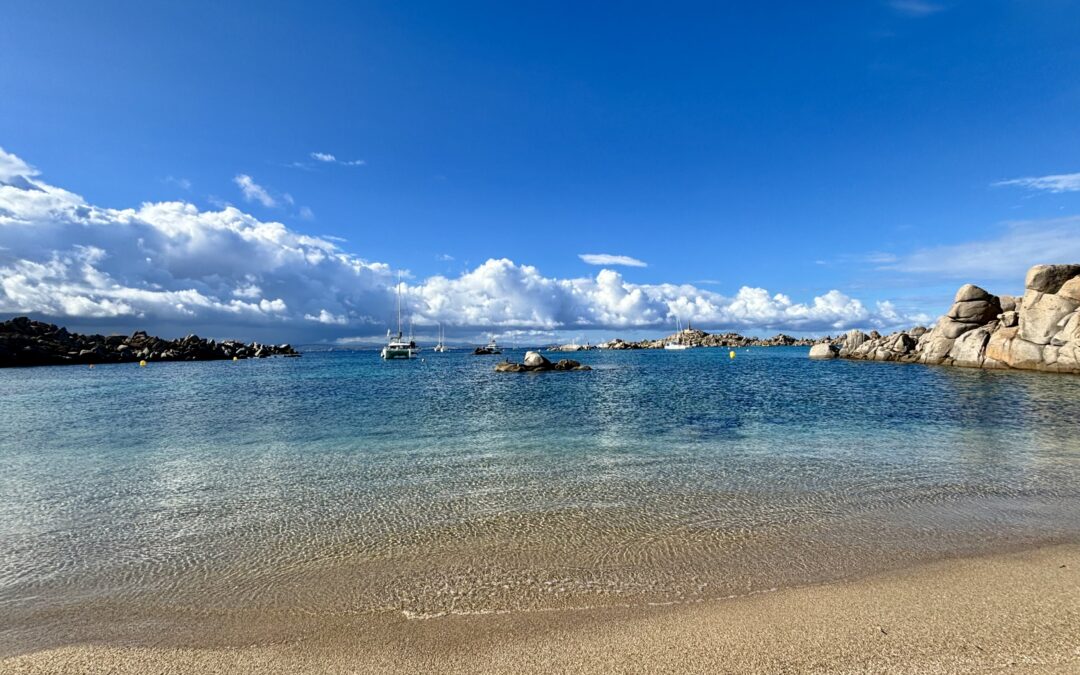
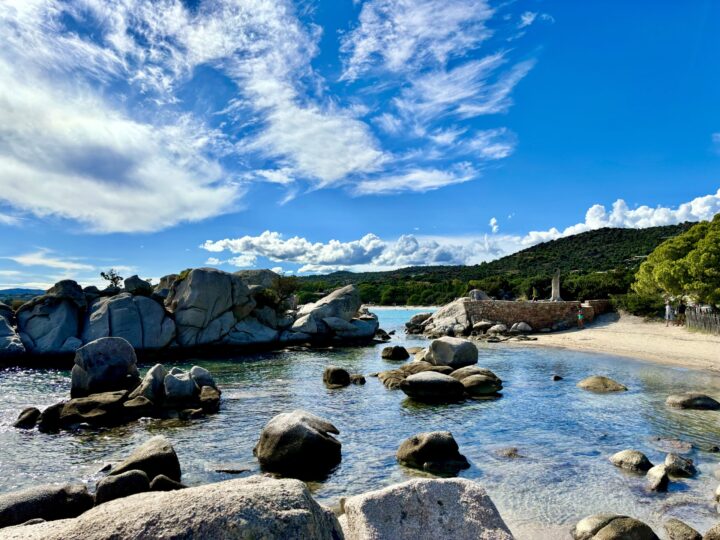
Corsica has beaches in almost every direction, from wide sandy bays to small rocky coves. The water can be beautifully clear, especially around the south and southeast. Some beaches are easy to reach, while others are hidden behind narrow roads or short walking paths. The best-known beaches around Porto-Vecchio and Bonifacio have white sand and clear turquoise water. They are also popular, so arriving early makes a difference in summer. September was a pleasant time for my trip because the weather was still warm, but the busiest weeks had passed. Not every beach needs to be famous. Some of the nicest stops are smaller places discovered while driving.
Keep swimwear and a towel in the car, because a quick photo stop can easily turn into a few hours by the sea.
Take a boat trip from Bonifacio
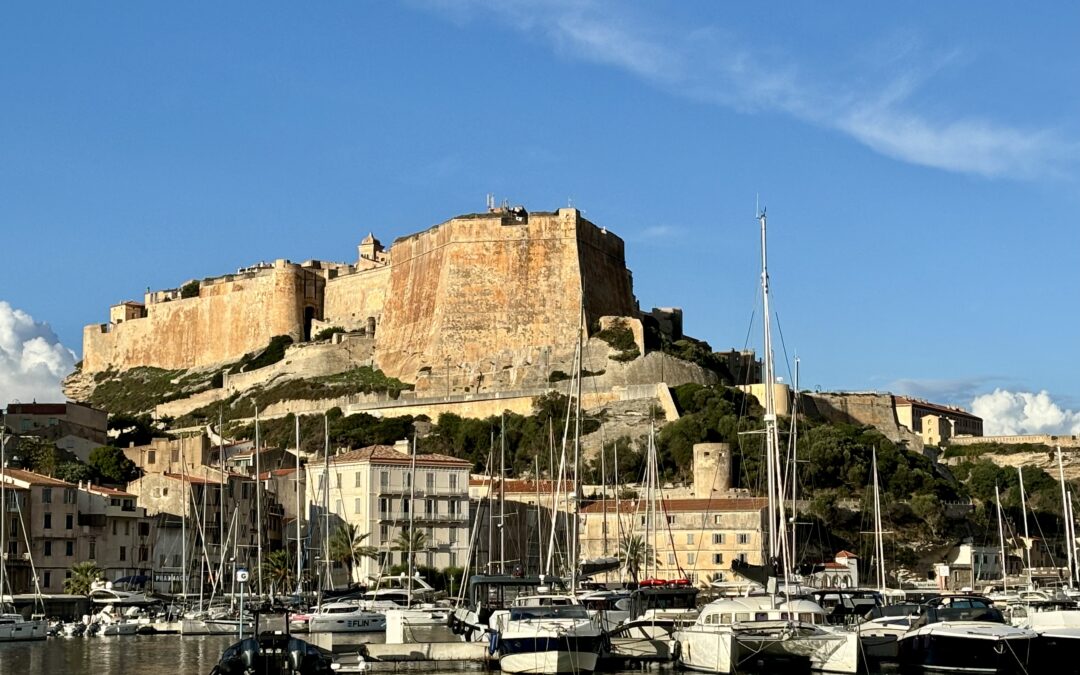
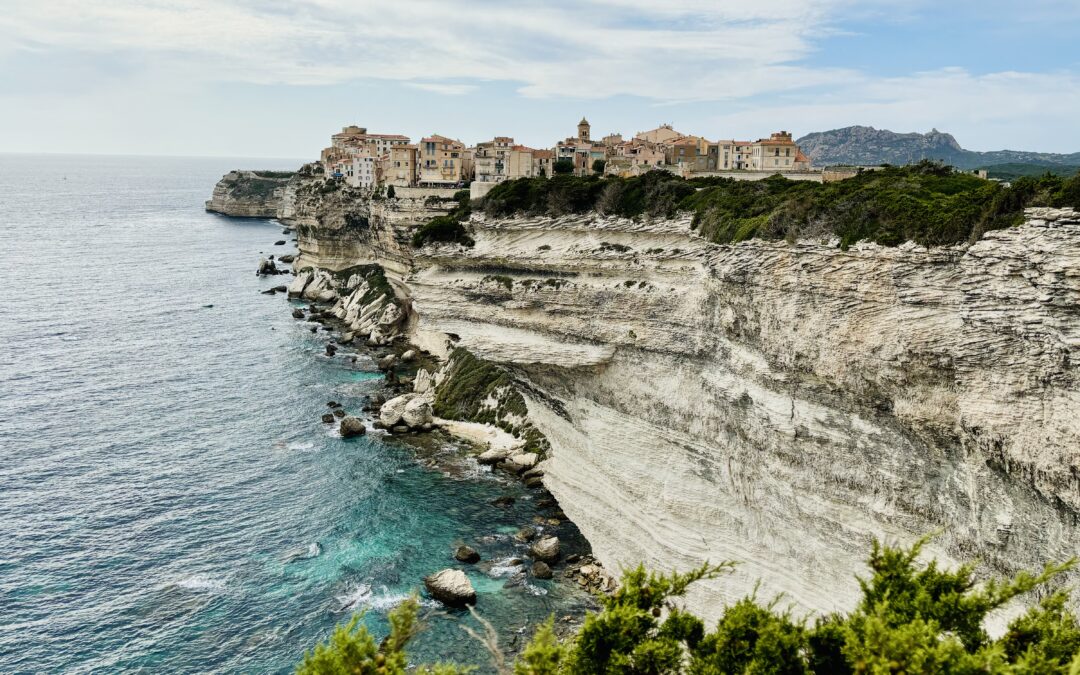
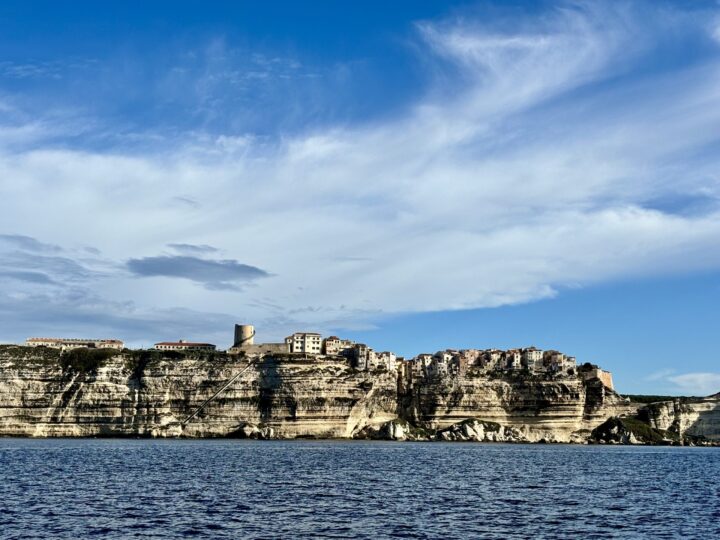
One of my favorite things to do in Corsica was taking a boat trip from Bonifacio to the Lavezzi Islands. The islands lie between Corsica and Sardinia and are known for large granite rocks, small bays and turquoise sea. The trip also gives you a beautiful view of Bonifacio from the water. The old town stands high above the sea on white limestone cliffs, which looks even more dramatic from a boat. Many excursions include time for swimming or snorkeling, although the exact route depends on the weather and wind.
Bring your own snorkel if possible and check what is included before booking. Some trips focus mainly on sightseeing, while others allow more time in the water. The sea around southern Corsica can become rough, so operators may change the route when conditions are not suitable. Bonifacio, Porto-Vecchio and the beaches in this part of the island are covered in more detail in my southeast Corsica road trip guide.
Visit Corsican towns and villages
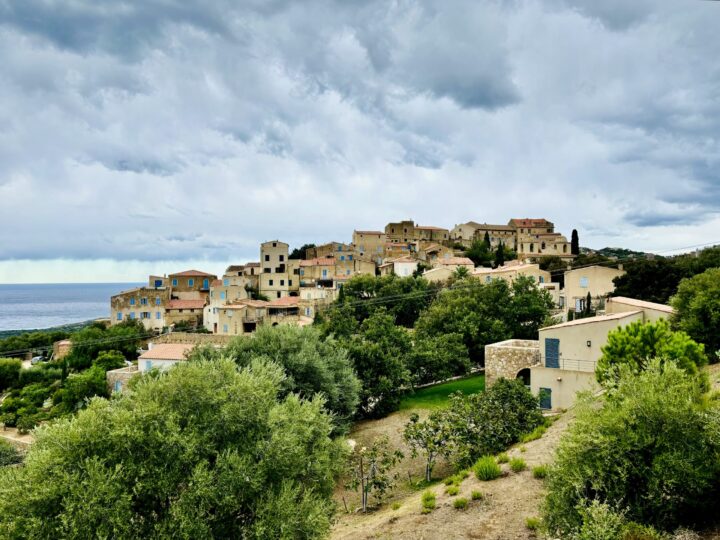
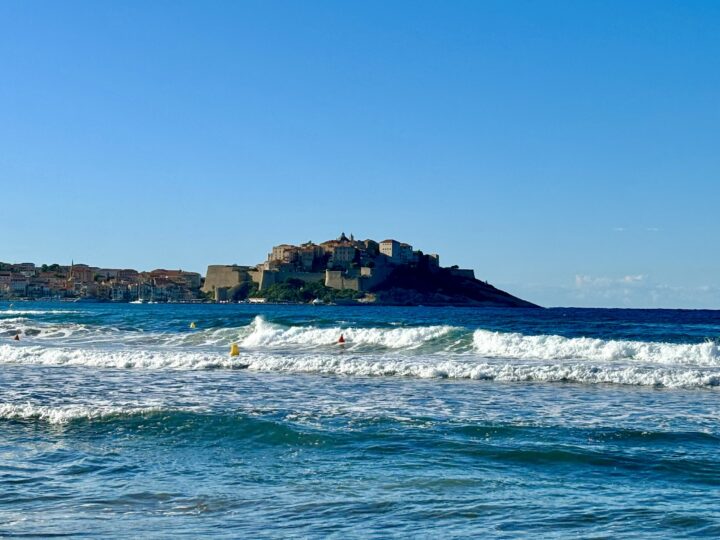
The towns and villages add character to a Corsica road trip. Bonifacio is the most dramatic, with its old town on the cliffs, while Porto-Vecchio combines a small historic center with easy access to beaches. Calvi has a citadel, marina and long beach, and Bastia is an interesting starting point when arriving by ferry. The smaller villages often feel more personal. Pigna was one of my favorites, with stone houses, narrow streets, pottery workshops and small shops selling local products. It is the kind of place where you stop for an hour and end up staying for lunch. Rather than trying to visit every town, choose a few that fit naturally into your route. Corsica may look compact on a map, but the mountain and coastal roads make travel slower than expected.
Go sailing along the Corsican coast
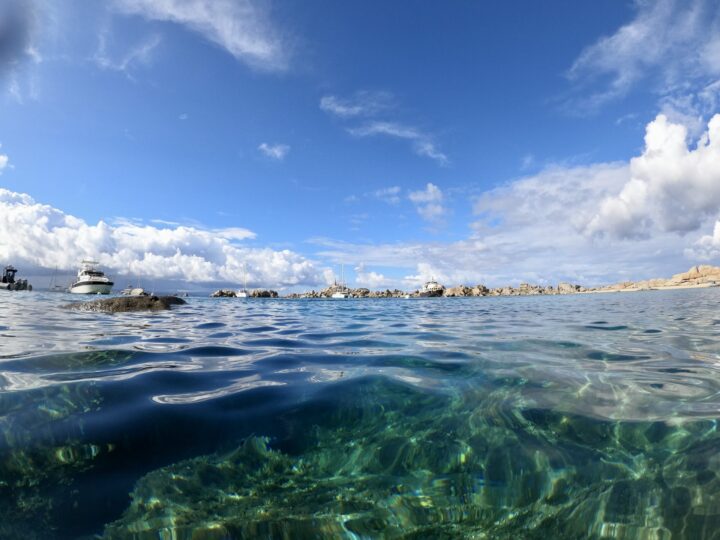
Sailing is another beautiful way to explore Corsica. Boats and sailing yachts fill the marinas around the island, and day trips are available from several coastal towns. From the water, you can see cliffs, beaches and small bays that are difficult to reach by car. Some longer sailing routes continue towards Sardinia, which lies across the Strait of Bonifacio. Check whether a trip includes swimming and snorkeling stops. Some excursions focus mainly on the scenery, while others give you more time to enjoy the water.
Shop for local Corsican products
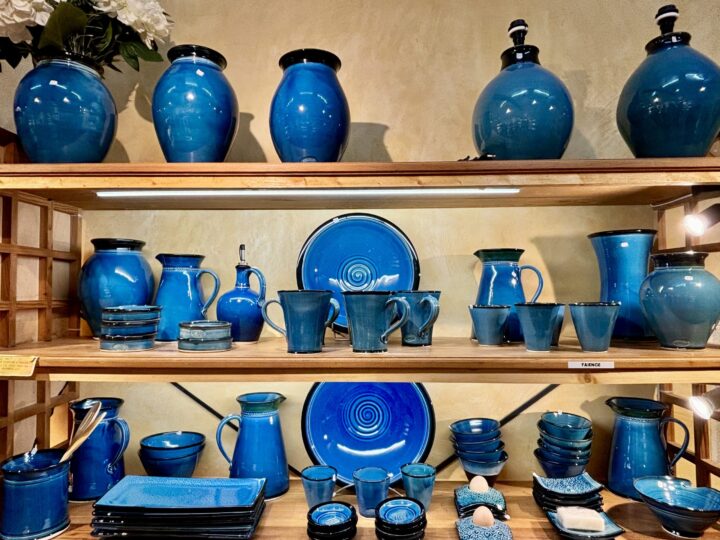
Small shops were one of the nicest surprises in Corsica. You will find local clothes, food, pottery, posters and gifts in many villages and old town centers. The products feel more personal than souvenirs sold in larger tourist shops. The printed posters of Bastia, Ajaccio, Calvi, Bonifacio and Porto-Vecchio especially caught my eye. A poster of Palombaggia Beach near Porto-Vecchio came home with me, together with a Calvi magnet. In Pigna, a beautiful bottle of olive oil came from a tiny and rather dark shop inside an old building.
Look for products labelled as produits corses. Olive oil, honey, wine, cheese, pottery and handmade soaps are easy to find. Canistrelli, the traditional Corsican biscuits, also make a practical souvenir because they travel well and come in several flavors.
Try snorkeling, SUP or diving
The clear Mediterranean water makes Corsica ideal for snorkeling. Rocky bays often have more fish and underwater life than wide sandy beaches, and a simple mask and snorkel are easy to keep in the car. Stand-up paddleboarding is another good option when the sea is calm. It allows you to explore the coastline at a slower pace and reach small coves that are harder to access from the road. The wind can increase during the day, so early morning is often the most comfortable time.
Diving schools can be found in several coastal towns, including Bonifacio, Porto-Vecchio, Calvi and Ajaccio. Beginners can book an introduction dive, while experienced divers have access to deeper sites and boat trips. Always check conditions locally, because the weather can differ from one side of the island to the other.
Visit a winery near Patrimonio
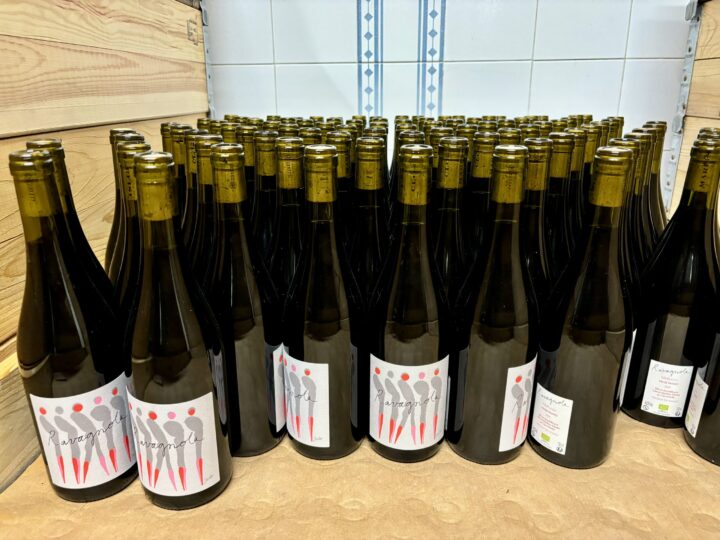
Corsica has its own wine regions, and the area around Patrimonio is one of the best known. The town lies between Bastia and Saint-Florent, surrounded by vineyards and mountains, so a winery visit fits naturally into a road trip through the north. Clos Marfisi was the small winery I visited. The tasting felt relaxed and personal, and the setting was as enjoyable as the wine itself. Smaller producers may have limited opening hours, so checking ahead is sensible.
Plan your wine tasting on a quiet day without a long mountain drive afterwards. Distances can look short, but Corsican roads often take longer than expected.
Look for surfing, kitesurfing and foiling
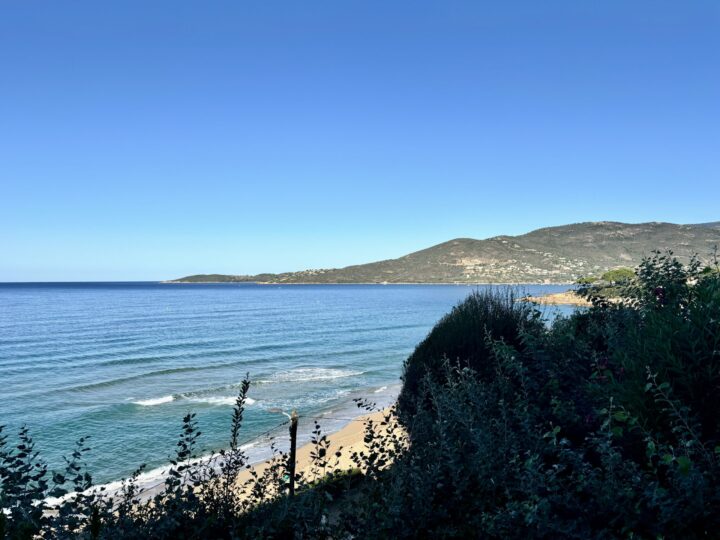
Corsica is not as famous for surfing as the Atlantic coast, but waves are possible when conditions are right. I saw a few surfers at Plage du Santana, north of Ajaccio. The southwest coast can receive swell, although the conditions are not reliable enough to plan an entire surf trip around them. Kitesurfing and foiling are also possible in southern Corsica. It was often breezy during my September trip, but conditions depend on the beach and wind direction. Local schools can help with equipment, lessons and choosing the best spot for that day.
Surfing may not be one of the main reasons to visit Corsica, but it is worth checking the forecast when you already enjoy board sports. Having a surfboard in the car or camper gives you the freedom to take advantage of the right conditions.
Travel around Corsica by camper
Corsica is also well suited to campervan travel. Many campers were already on the ferry, and I saw them at campsites near beaches and in the mountains. Traveling with your own bed and kitchen gives you more flexibility and can reduce accommodation costs during the busy summer season. A camper trip around Corsica is still on my list. A SUP board, snorkel and surfboard in the van would make it easy to follow the weather and choose a beach each day. The downside is the road system, as some coastal and mountain routes are narrow and winding.
Use official campsites and check the access before driving into remote areas. A smaller campervan is likely to be more comfortable than a large motorhome on the most challenging roads. Read my practical tips before a Corsica road trip for more information about driving, distances and preparing your journey.
Enjoy Corsica at a slower pace
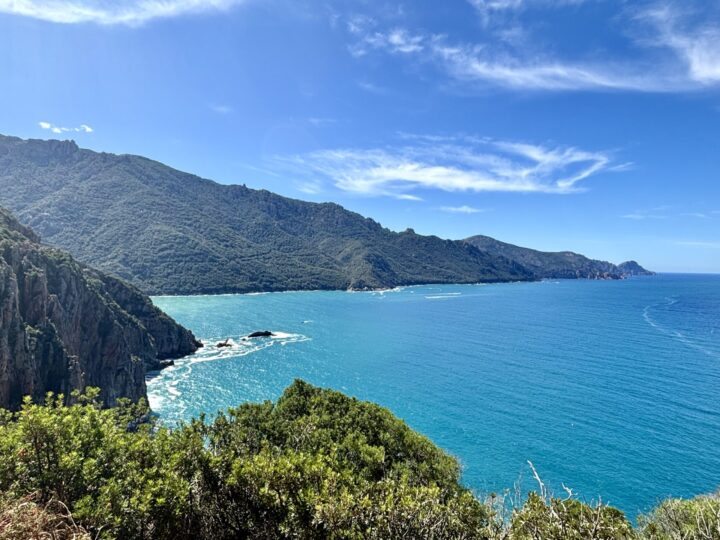
Corsica may not look very large on a map, but driving takes time. The roads bend around mountains and bays, and you will want to stop more often than expected. Trying to combine too many towns, beaches and hikes in one day quickly removes the pleasure from the trip. One week is enough to focus on one region. Ten days to two weeks gives you more freedom to combine the coast, mountains and villages without constantly changing hotels. The northwest and southeast each have a different atmosphere, so dividing the island into regions makes planning easier.
The best things to do in Corsica are not limited to one checklist. Walk in the mountains, swim in clear water, take a boat trip, taste local wine and leave room for an unexpected village or beach. That mixture is what makes the island such a rewarding road trip destination.
For more travel inspiration, continue with my northwest Corsica guide, southeast Corsica route or my two-week Côte d’Azur and Corsica itinerary.