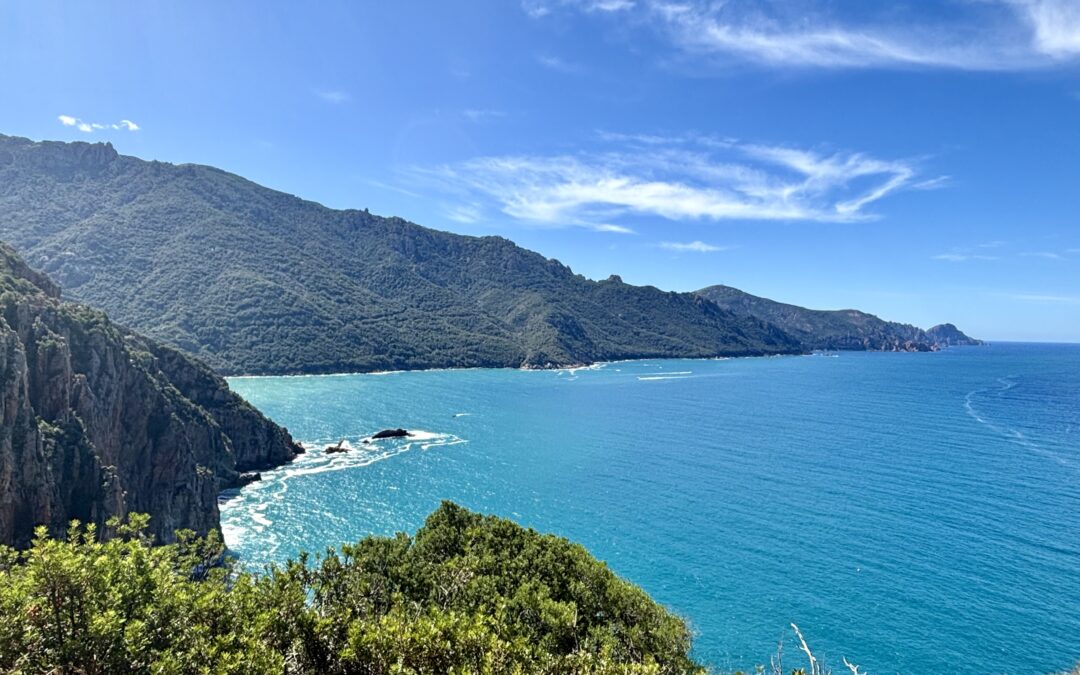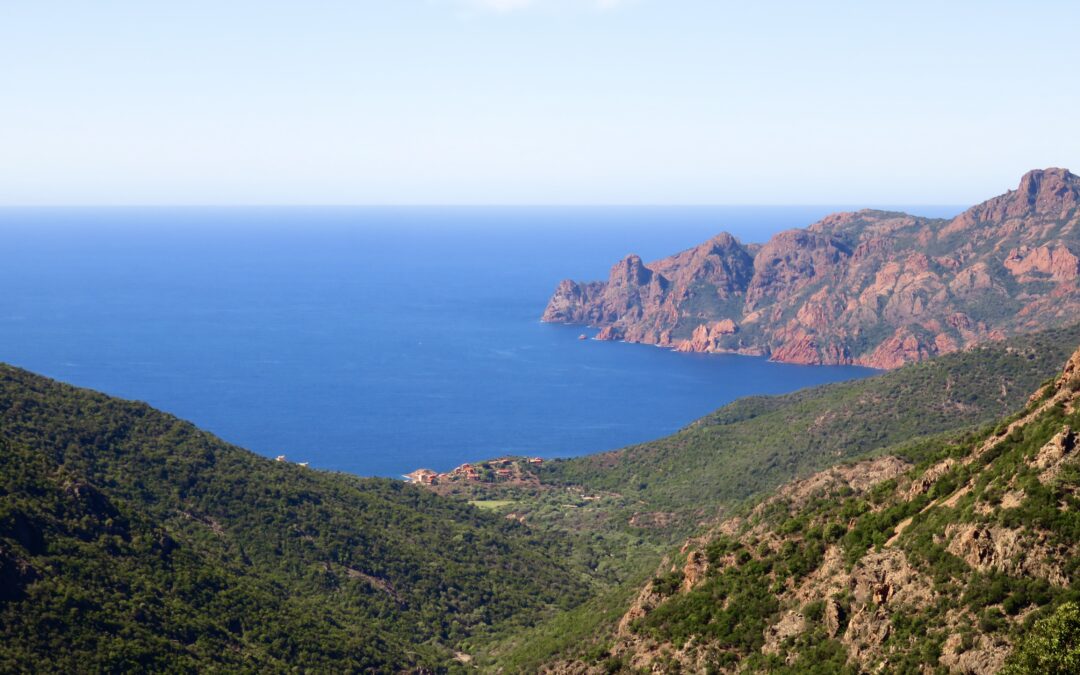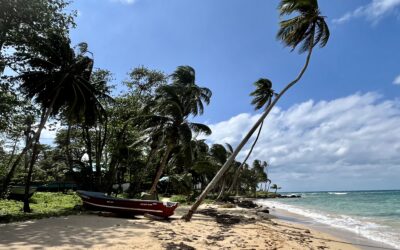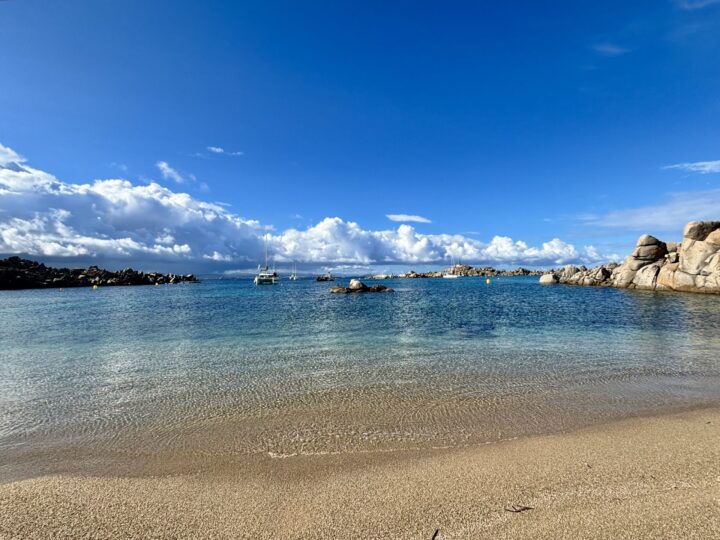
Corsica is worth visiting if you enjoy beautiful beaches, mountain scenery, historic towns and the freedom of a road trip. The island feels wilder than many other Mediterranean destinations, while still offering French food, good wine and comfortable places to stay. It is not the easiest or cheapest island to explore. Driving takes time, accommodation can be expensive and the most popular places become busy in summer. Still, the combination of nature, villages and clear blue water made Corsica one of the most varied road trips I have taken in Europe.
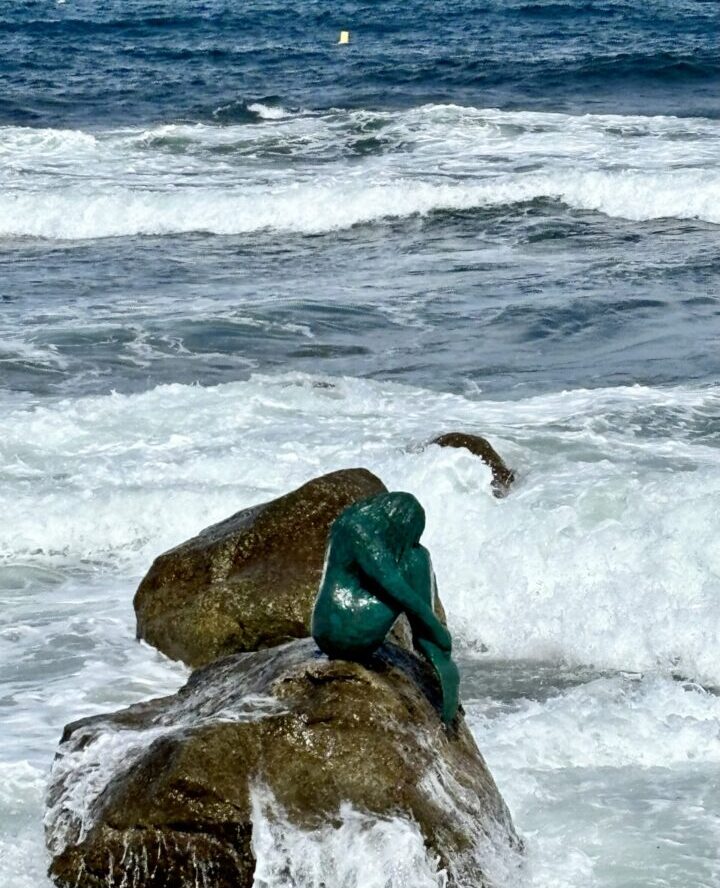
What makes Corsica different?
Corsica has a strong identity of its own. The island was ruled for centuries by Genoa before becoming part of France, and you still notice both French and Italian influences. French is widely spoken, while Corsican is a local language closely related to Italian. Ajaccio is known as the birthplace of Napoleon Bonaparte, and his name appears everywhere. You will see statues, street names, hotels and souvenirs connected to him. Several people also mentioned the Asterix adventure set in Corsica when I told them about my trip, although that was not a book I had read myself. History is only one reason to visit Corsica. Mountains dominate the interior, while beaches, bays and old towns sit around the coast. That contrast keeps the island interesting and gives every part of a road trip a different atmosphere.
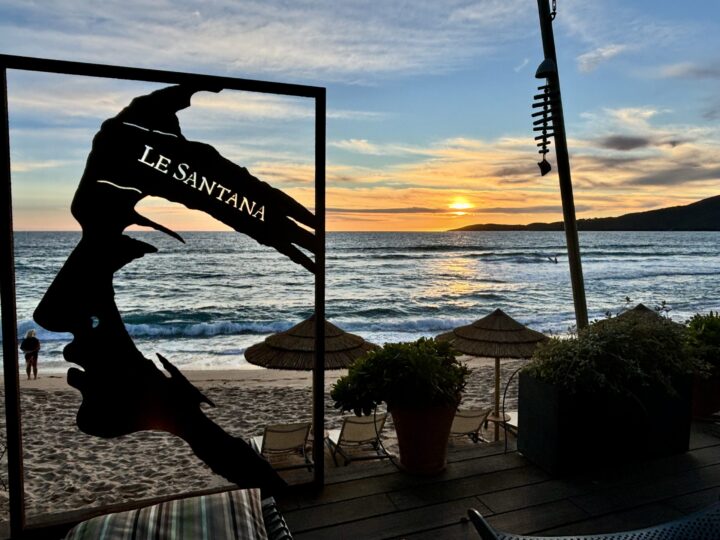
Are the beaches in Corsica really that beautiful?
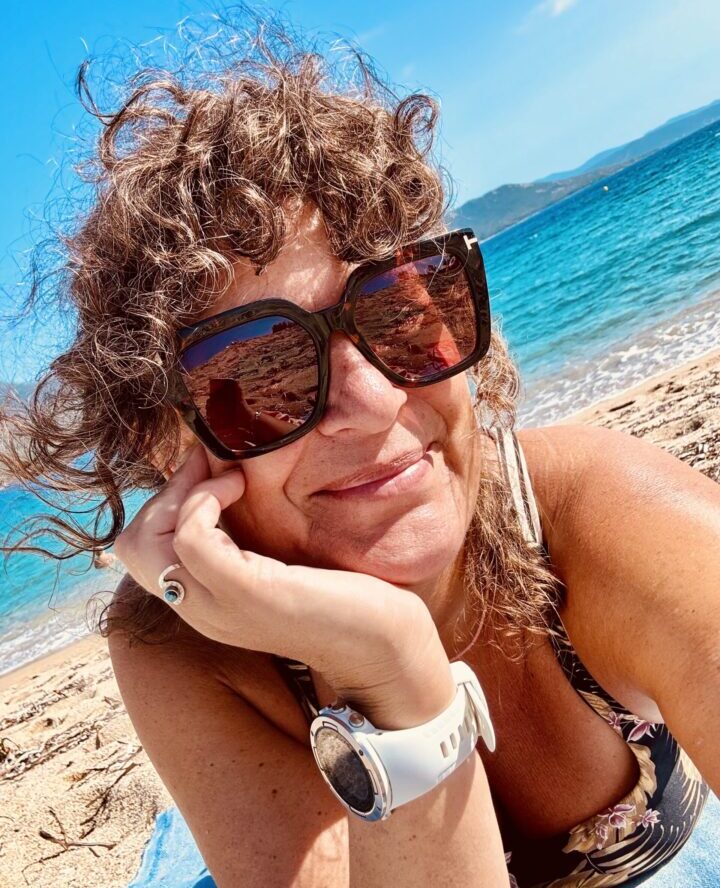
Yes, the beaches are one of the main reasons Corsica is worth visiting. The island has white sandy beaches, rocky bays and beautifully clear turquoise water. In some places, the colors really do feel more Caribbean than Mediterranean. Palombaggia near Porto-Vecchio was my favorite. The combination of clear water, rocks and pine trees makes it easy to understand why it is often named as one of the best beaches in Corsica. Rondinara, between Porto-Vecchio and Bonifacio, is another beautiful stop, with a rounded bay and calm-looking water. Other beaches stood out for different reasons. Plage du Lido near Propriano was perfect after a day of driving, especially with an Aperol Spritz at beach bar Le Corsaire. Plage du Santana, north of Ajaccio, had a beautiful bay and a few surfers in the water. Waking up with that view was a very good start to the day.
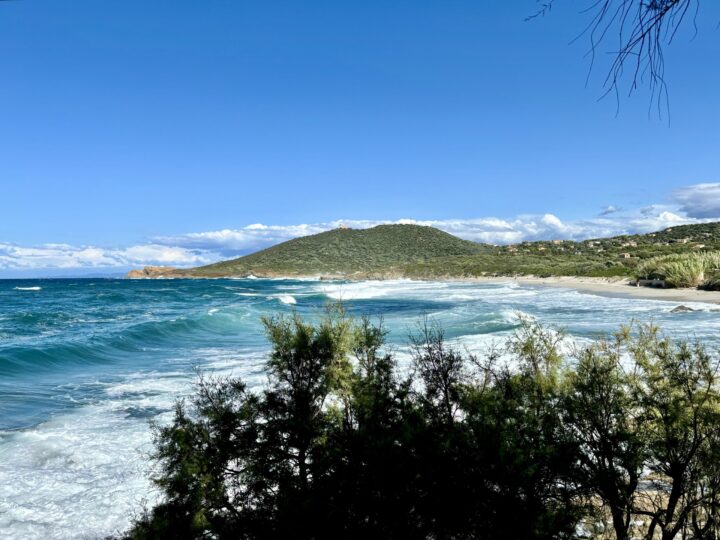
Not every beach was easy to reach. The road to Plage de Ghjunchitu, between Calvi and L’Île-Rousse, was unpaved and full of potholes. For a moment, it felt as though I had taken the wrong road, but it was the actual route to the beach and restaurant. Plage de Ficaghjola near Piana also looked tempting, but the winding road made me turn back. The viewpoint still gave me a beautiful photo. Corsica sometimes makes you choose between the beach and your nerves.
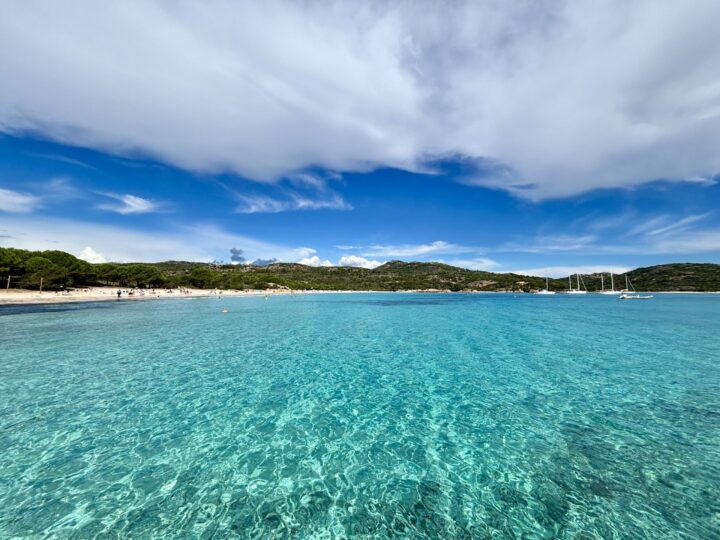
Keep swimwear, a towel and comfortable shoes in the car. A quick stop at a viewpoint can easily turn into a beach afternoon or a short walk.
Is driving in Corsica difficult?
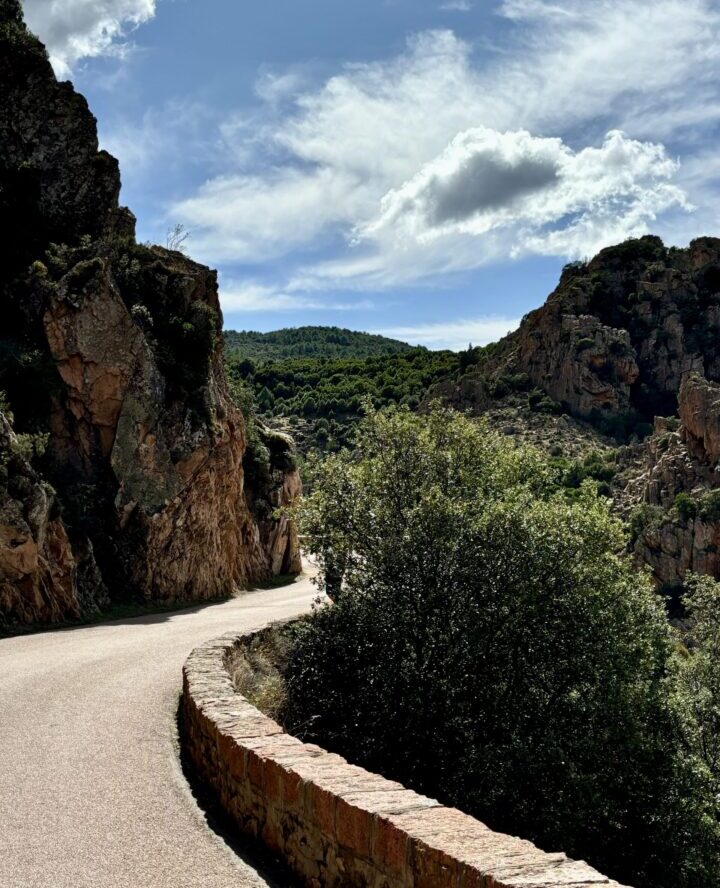
Driving in Corsica is not impossible, but it requires patience. The main roads are generally fine, although many are narrow, winding and only have one lane in each direction. Overtaking can be difficult when a truck is in front of you, and motorcycles often appear quickly around the corners. Distances are misleading. A route that looks short on the map can take much longer because speeds regularly drop to between 30 and 50 kilometers per hour. Near Piana, parts of the road are so narrow that one vehicle may need to stop to let another pass. The views make the slower pace easier to accept. Mountains, sea and villages appear around almost every bend, so the drive becomes part of the experience rather than only transport between two places. Roads leading to beaches can be rougher, with potholes, narrow sections and occasional unpaved stretches.
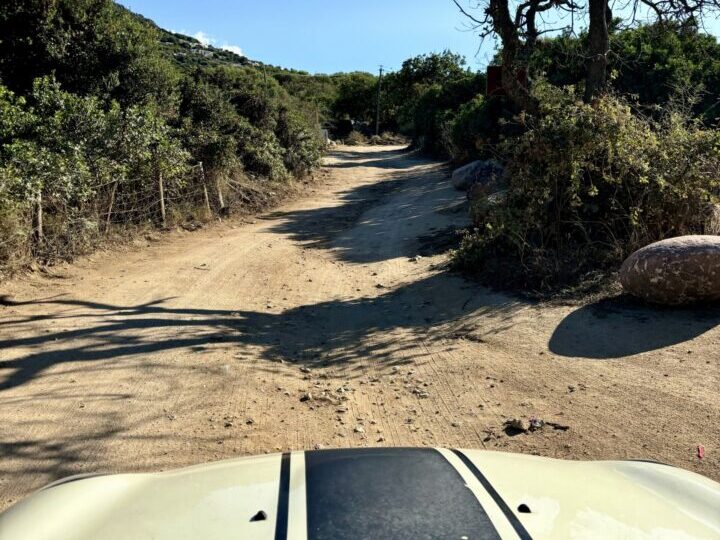
Plan fewer stops than you think you can manage. Driving 100 kilometers in Corsica can take much longer than driving the same distance at home.
Read my practical tips before a Corsica road trip for more information about the roads, distances and preparing your route.
Do you need a car in Corsica?
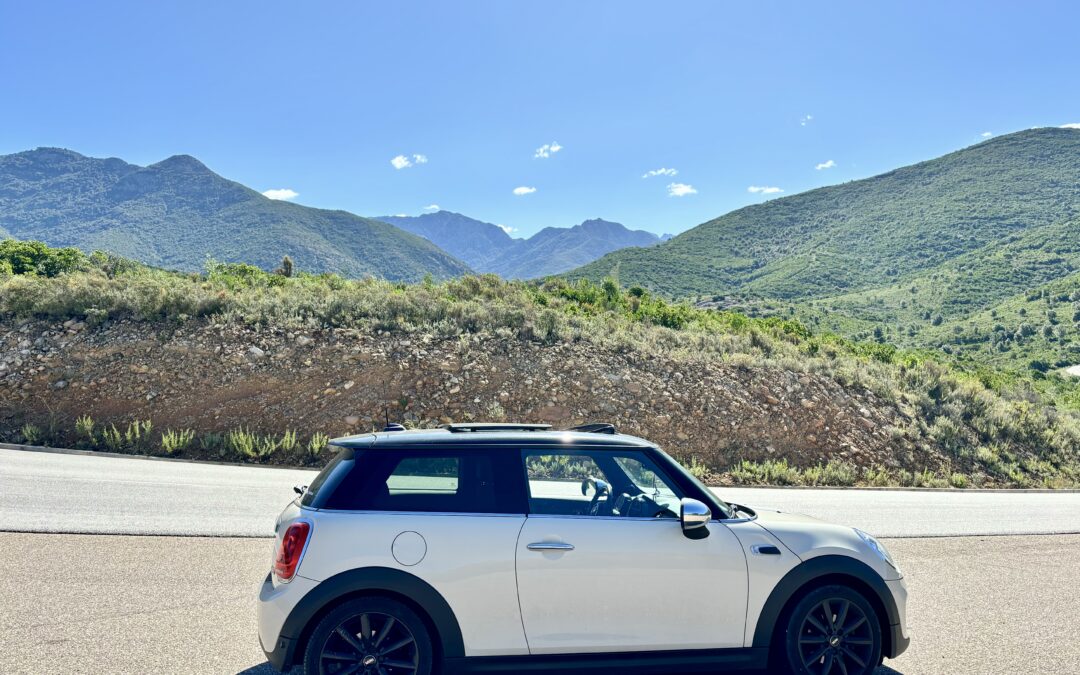
For a road trip, a car is close to essential. Public transport is limited outside the main towns, and many beaches, villages and viewpoints are difficult to reach without your own transport. You can bring your own car on the ferry or fly to Corsica and rent one. Bringing my own car worked well because it gave me complete freedom and plenty of space for luggage, beach gear and shopping. A small or medium-sized car is easier to handle than a large vehicle on narrow roads and in village parking spaces. A car is less important when you plan to stay in one town and only take organized excursions. Anyone wanting to explore several regions will find the island much easier with independent transport.
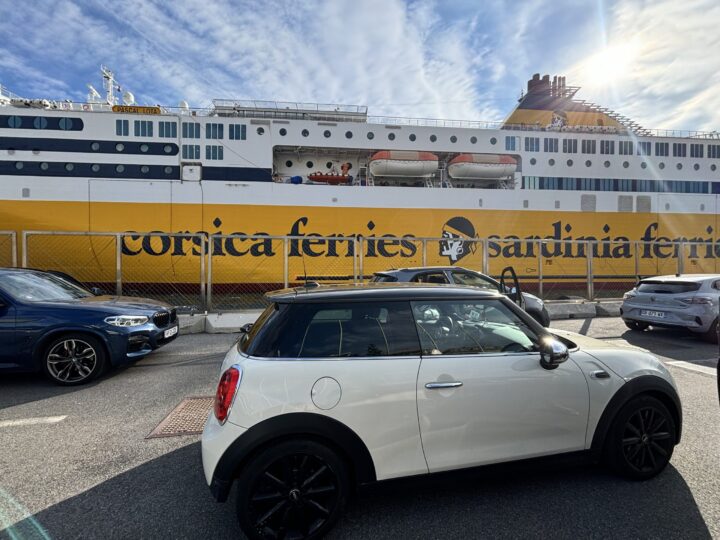
Flying to the island? Compare rental cars in Corsica through Discover Cars. When bringing your own car, you can also compare ferry routes and prices to Corsica.
Are the towns and villages worth visiting?
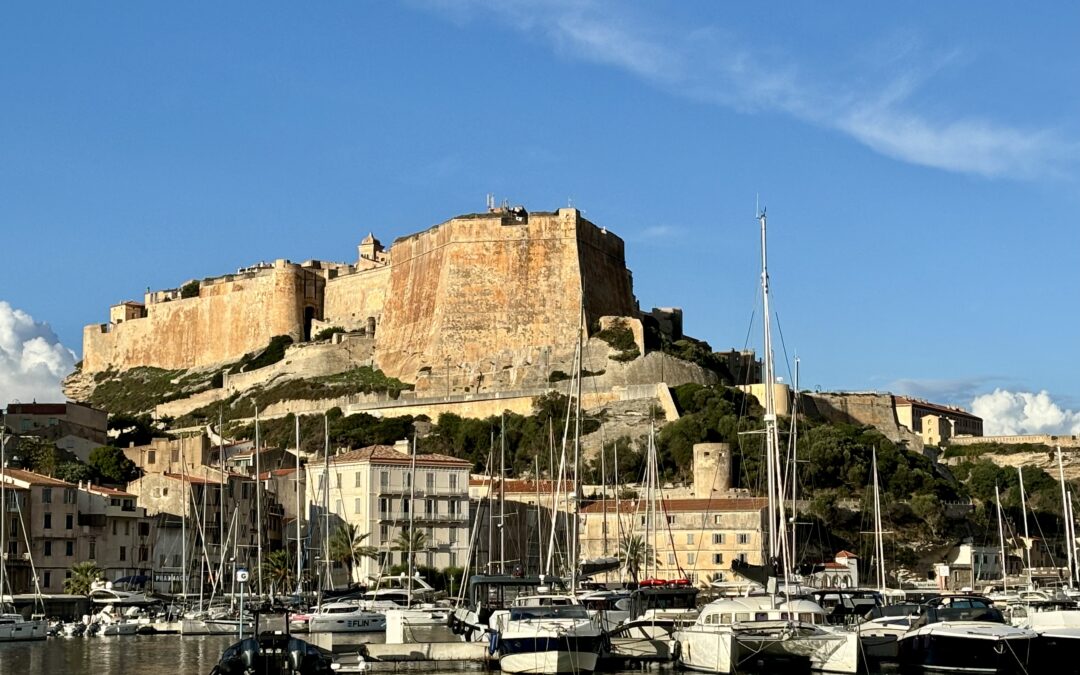
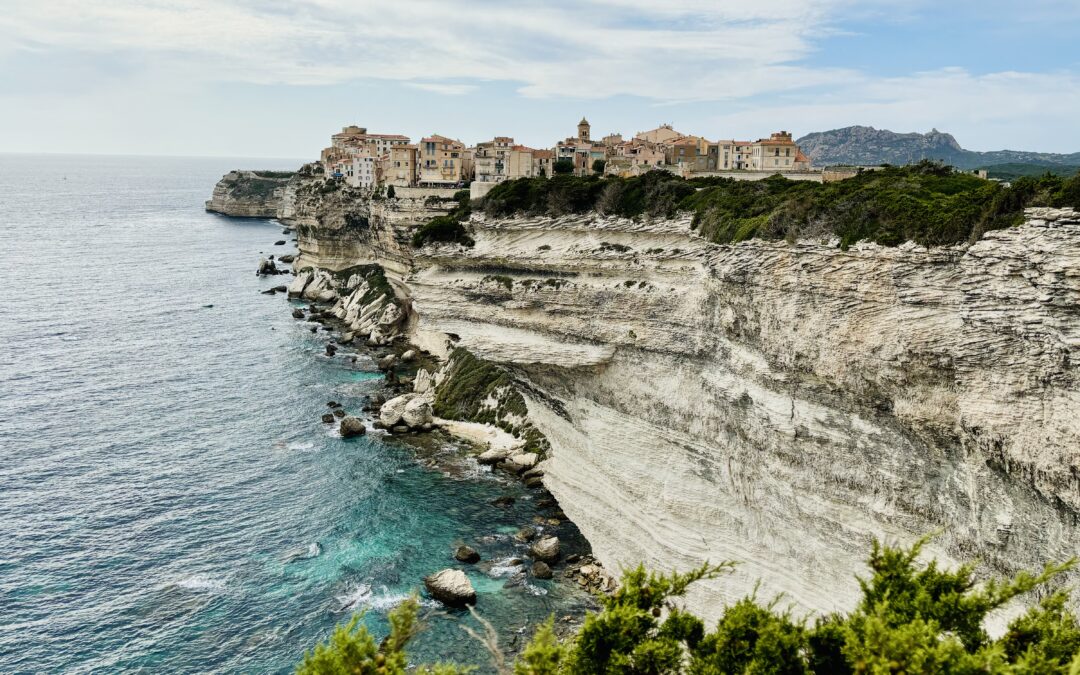
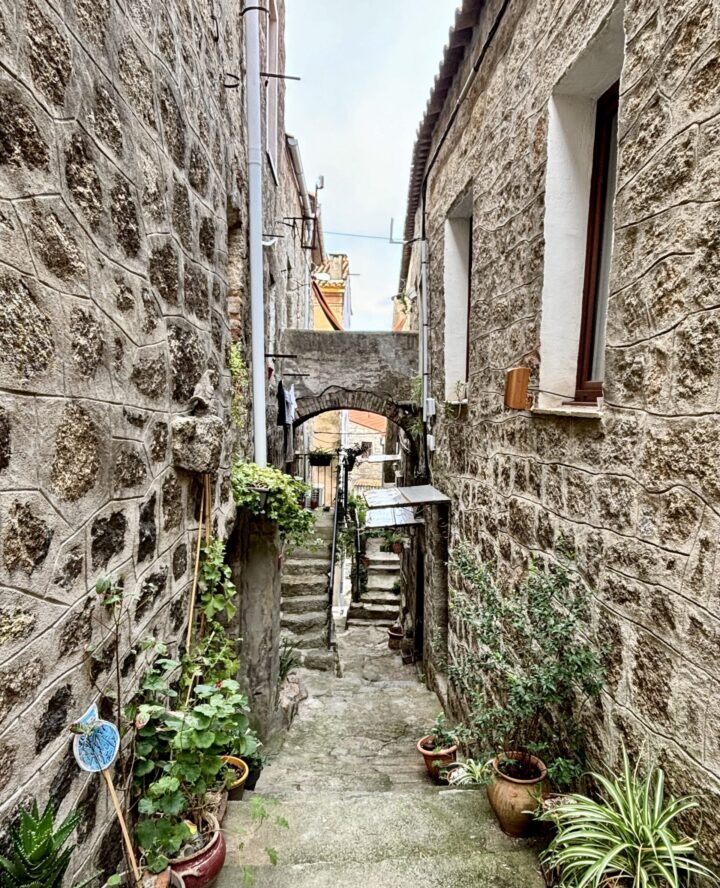
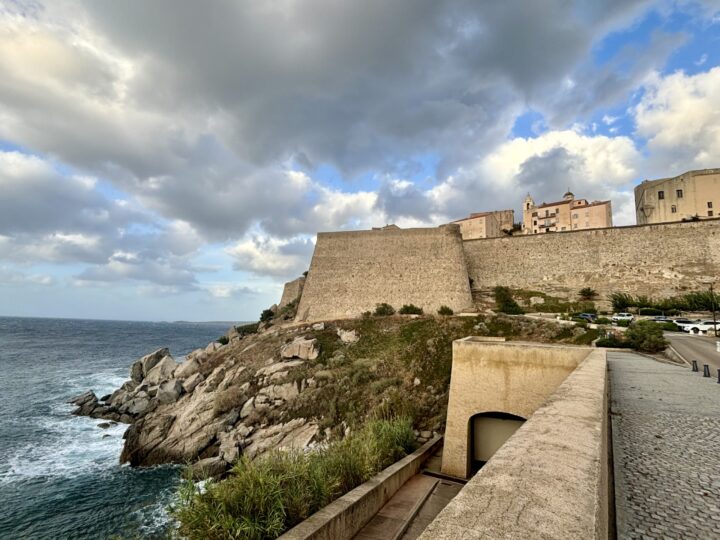
Corsica is not only about beaches and mountains. The towns and villages add history, atmosphere and a welcome change from driving. Calvi, L’Île-Rousse, Ajaccio, Sartène, Bonifacio, Porto-Vecchio, Corte and Bastia all have a different character. Several have a citadel or old town with steep streets, stone buildings and views over the coast. Bonifacio and Calvi are especially impressive because their fortified centers stand high above the sea. Smaller villages were just as memorable. Sant’Antonino and Pigna are surrounded by mountain scenery and known for local crafts. Pigna has pottery workshops, small shops and narrow streets that are easy to explore on foot. You will also see Genoese towers along the coastline. These watchtowers were built as part of the island’s coastal defense system and are a reminder of Corsica’s long and complicated history.
What is the food like in Corsica?
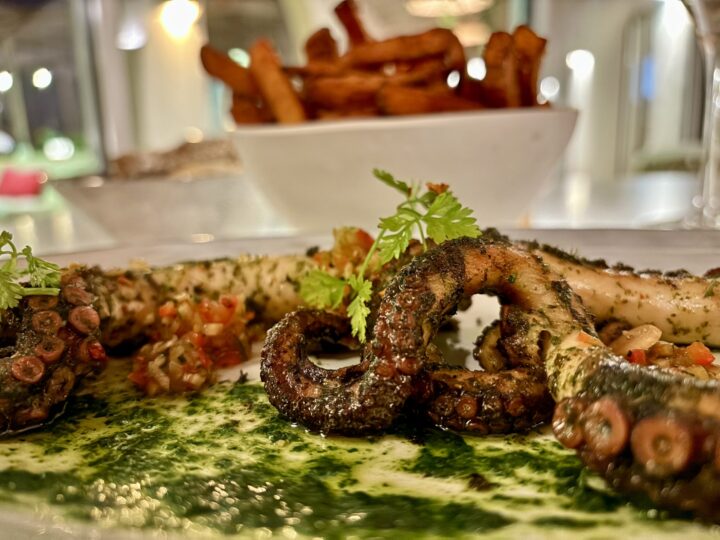
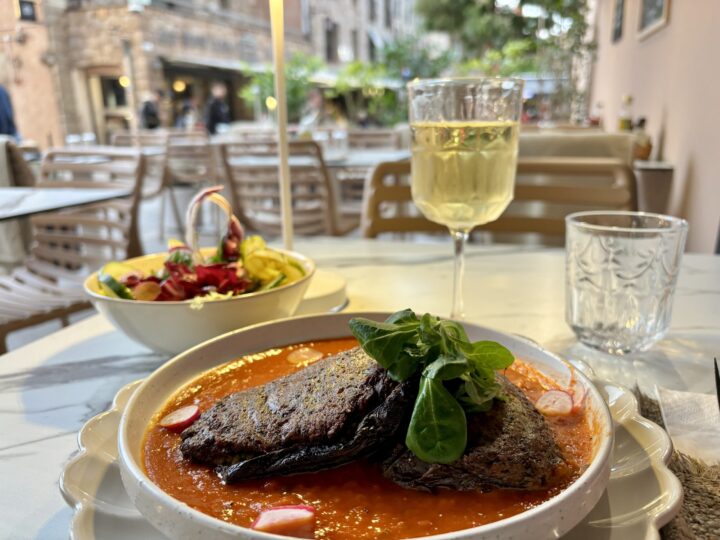
Food is another good reason to visit Corsica. French influences are easy to recognize in the boulangeries and patisseries, with croissants, éclairs, macarons and savory quiches available in many towns. A quiche or pastry makes an easy lunch during a driving day. Restaurants serve local cheeses, wine, fish, meat and vegetarian dishes. Coastal locations naturally have plenty of seafood, while mountain areas often offer heavier regional food. Menus of the day can be better value than ordering several separate courses.
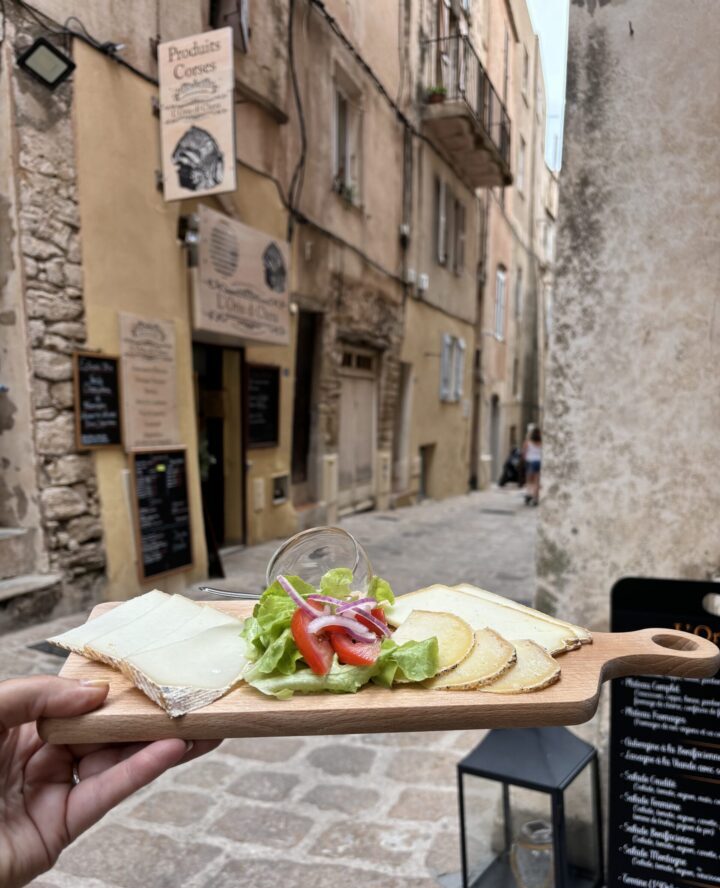
Eating out is not especially cheap. Supermarket prices also felt high, so cooking for yourself does not always save as much as expected. Still, shopping in a French supermarket is never a complete punishment, especially when cheese, bread and wine are involved. Restaurants and terraces were often busy from lunch until dinner. That lively atmosphere made the towns enjoyable, although reservations can be useful during the high season.
Is Corsica expensive?
Corsica is not a budget destination. Accommodation, restaurants, groceries, ferries and fuel can all cost more than expected, particularly around popular beaches and towns. Hotel prices usually drop after the peak summer period. Traveling in September helped, although the island was certainly not empty. Booking ahead is still sensible when you want a characterful hotel in a specific location. A campervan or apartment with a kitchen may help control costs, but neither option removes them completely. Campsites, parking and fuel also add up. Corsica is better suited to thoughtful planning than trying to travel as cheaply as possible.
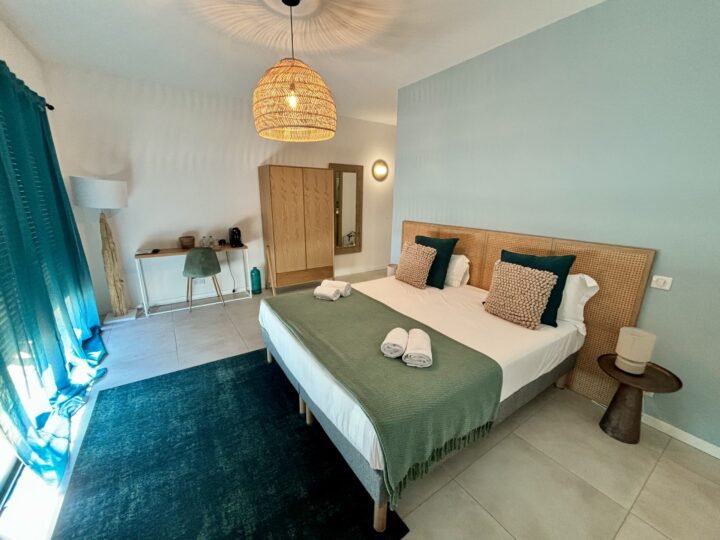
Compare accommodation before fixing your route. Staying slightly outside a popular town can offer better value, easier parking and a quieter evening.
Check available hotels and apartments in Corsica through Booking.com, especially when traveling in summer or staying near the most popular beaches.
What is the weather like in Corsica?
Corsica has a Mediterranean climate, with hot, dry summers and milder weather in spring and autumn. July is usually hot, while September is still warm but more comfortable for driving and sightseeing. The weather during my September trip was pleasant. It was warm without feeling too hot, although evenings could be cooler and rain was possible, especially in the mountains. A light sweater and a rain jacket were useful additions to the suitcase. Spring and early autumn are good periods when you want warm weather with fewer visitors. The island becomes much quieter in late autumn and winter, and some tourist businesses may close outside the main season.
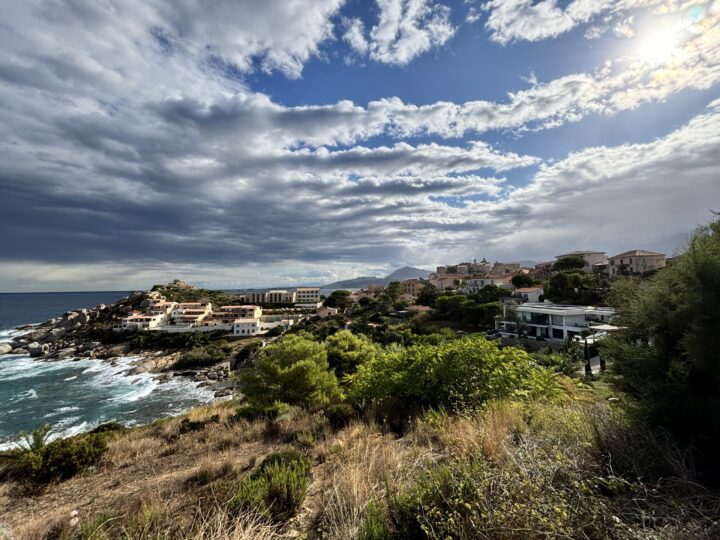
Pack for both the beach and the mountains. Even after a warm day, the temperature can feel much cooler in the evening or at higher elevations.
What are the disadvantages of visiting Corsica?
The main disadvantages are the cost, the driving and the summer crowds. Travel times are longer than they appear, and narrow roads can be tiring when you are not used to driving in the mountains. Popular beaches are not always peaceful. Parking can fill up, restaurants become busy and accommodation prices rise during the summer holidays. Some beaches also require more effort to reach than their photos suggest. Corsica is less suitable when you want an easy resort holiday without a car, a cheap island trip or a fast itinerary with many stops. The island rewards slower travel, but it can feel frustrating when you try to rush it.
Who will enjoy Corsica most?
Corsica is a good choice for travelers who enjoy beaches but want more than a beach holiday. It works well for people who like scenic drives, historic towns, local food, short walks and the occasional boat trip. The island also suits independent travelers who are comfortable organizing their own route. You do not need to be a serious hiker, but you should enjoy nature and be willing to spend time on the road. Anyone looking for nightlife, mass tourism or a very cheap trip may find better options elsewhere. Corsica feels more rewarding when you appreciate variety, scenery and a slightly slower pace.
How long do you need in Corsica?
One week is enough when you focus on one region. Trying to see the entire island in seven days would mean a lot of driving and little time to enjoy the beaches or villages. Ten days to two weeks gives you a better balance. You can combine the northwest and southeast with a few nights in the mountains, while still leaving time for a boat trip or a relaxed beach afternoon. Corsica looks smaller on a map than it feels on the road. Staying for two or three nights in several locations is more comfortable than changing hotels every day.
Would I return to Corsica?
Yes, I would return. The variety made the trip special: mountains, beaches, historic villages, good food and the bright turquoise colors of the sea. Few European islands offer so many different landscapes within one road trip. A future trip by campervan would be tempting, with a SUP board, snorkel and surfboard in the van. It would make it easier to spend more time at the beaches and follow the weather without changing hotels as often. Corsica is not perfect, but that is part of its character. The roads demand patience, the prices can be high and some places are busy. Even so, the scenery and freedom of the journey made the effort worthwhile.
For more inspiration, read my guide to the best things to do in Corsica, including hiking, beaches, boat trips, villages, wine tasting and water activities.