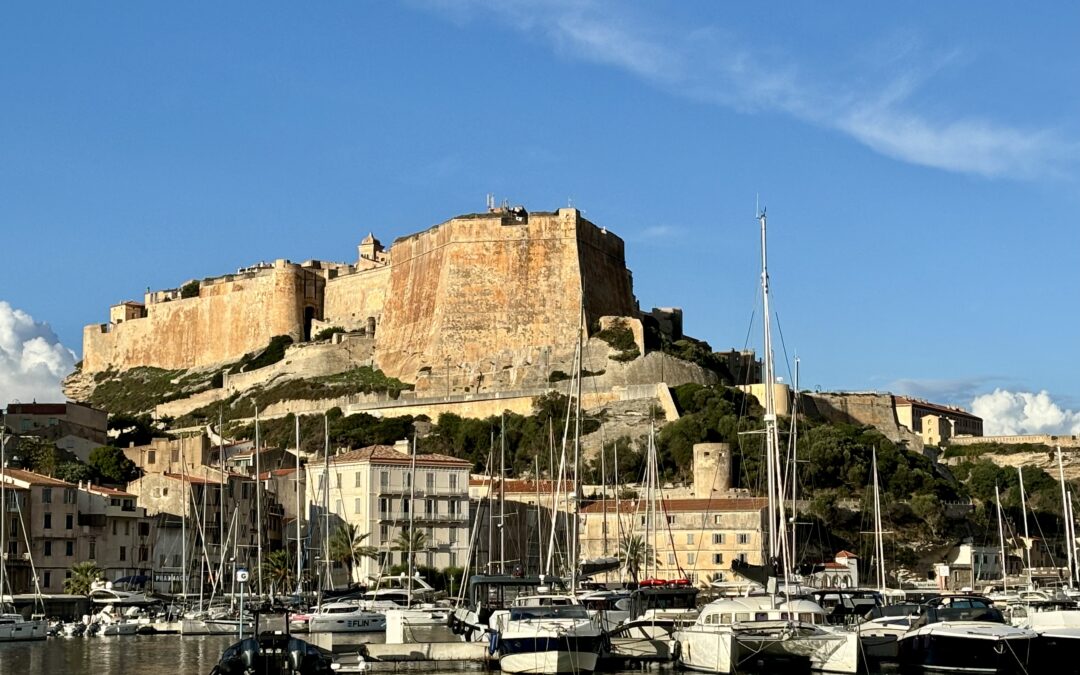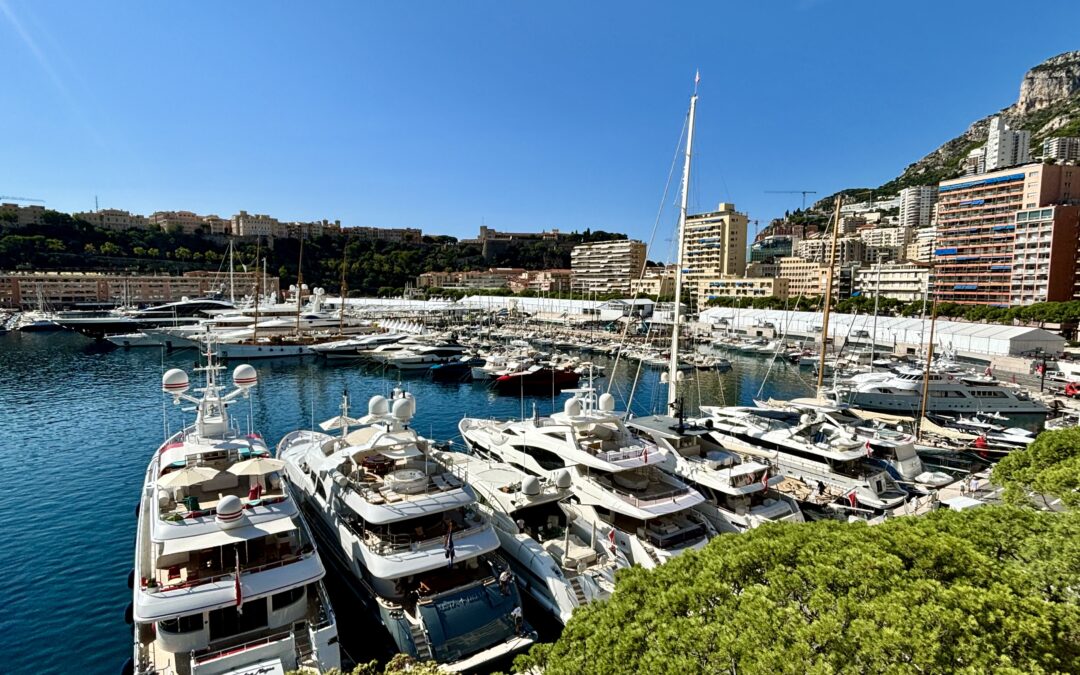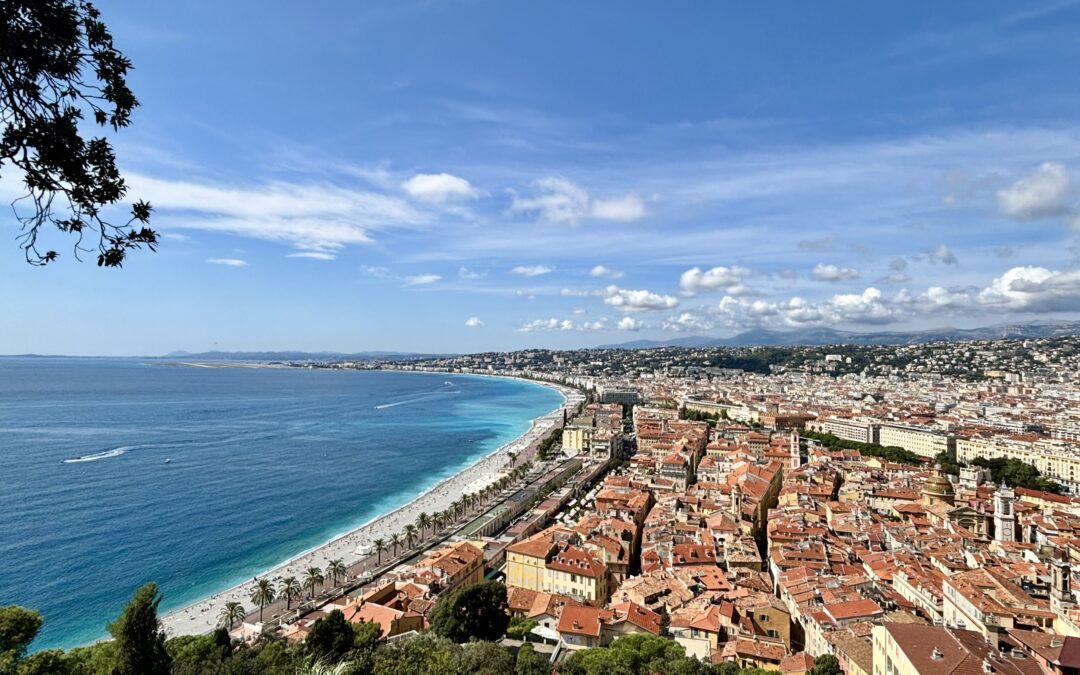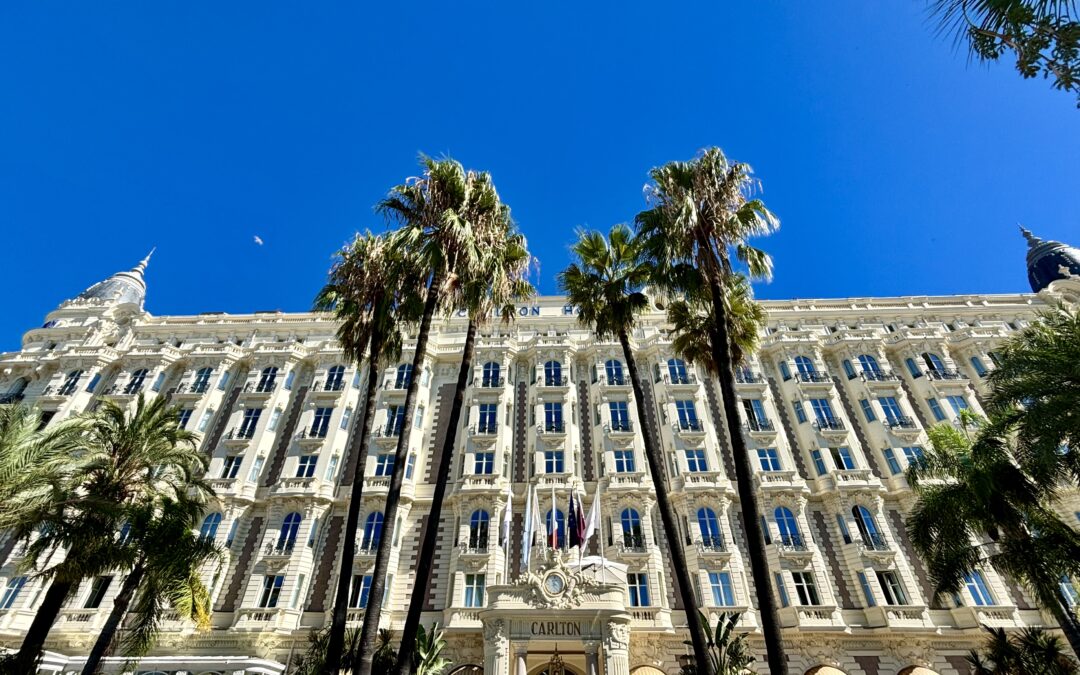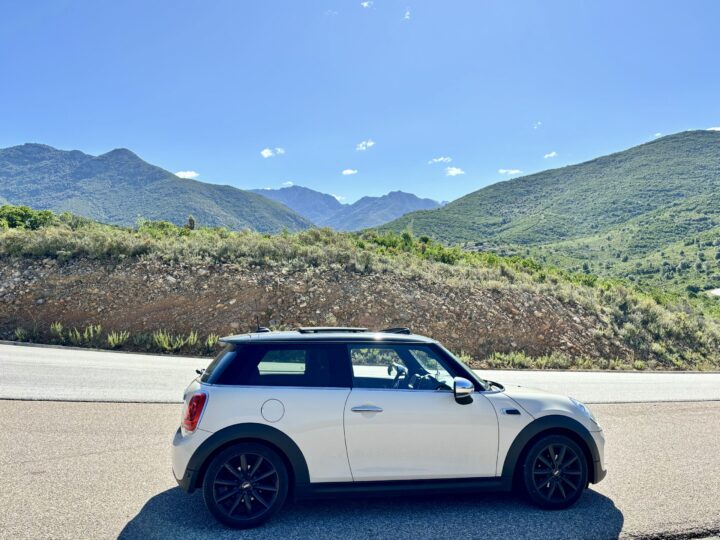
Living in the Netherlands makes France an easy country for me to reach by car. I drove to the French Riviera and Corsica in my own small car, which worked perfectly for the trip. The sunroof was a very nice bonus once the weather turned warmer and added to that road trip feeling. Taking your own car can also keep costs down, especially when you are traveling for several weeks. You can take more luggage and have complete freedom to change your plans along the way. If driving all the way to southern France is not practical for you, renting a car is a good alternative. You can compare rental cars with Discover Cars before your trip.
I combined the French Riviera and Corsica on one longer journey. You can find the complete route in my separate Côte d’Azur and Corsica itinerary. These are the practical things I learned while driving from Northern Europe to the French Riviera and continuing by ferry to Corsica.
1. Have your car checked before leaving
Before a long European road trip, I like to know that my car is in good condition. Have the tires, brakes, fluids, lights and air-conditioning checked before you leave. You will be driving many kilometers and it is much nicer to start the journey without wondering whether that strange little noise really was there yesterday. France also requires you to carry a warning triangle and a high-visibility safety vest in the car. Keep the vest somewhere you can reach easily rather than buried underneath your luggage.
I also carry a basic first-aid kit, flashlight and a few useful car essentials. Spare bulbs are useful too, especially on a longer journey.
2. Arrange European roadside assistance
I have roadside assistance through the Dutch ANWB. Other countries have similar services, and it is worth checking whether your policy covers breakdowns abroad before leaving. Also check what happens if your car cannot be repaired immediately. Replacement transport, accommodation or getting your car back home can become important when something goes wrong several hundred kilometers from home. It is one of those things you hope you never need, but it makes a long road trip much more relaxed.
3. Check whether you need a Crit’Air sticker
The French Crit’Air sticker is an environmental classification for vehicles. It is important to know that you do not simply need one because you are driving on a French motorway. Crit’Air is used in French low-emission zones, known as ZFE, and during certain temporary pollution restrictions. Several cities you may pass through on the way south have these zones, including Lyon, Nice and the Aix-Marseille area. Rules can differ by city and can change, so check your route shortly before departure. Foreign-registered cars can also apply for a Crit’Air sticker online.
Only order your Crit’Air sticker through the official French government website and couple of weeks before our departure to receive it in time!
4. Understand French toll roads and when they are worth it
France does not have one motorway vignette that gives you access to all toll roads. Instead, many autoroutes use a péage system. You pay for the section of motorway you use. The main route south through France is often called the Route du Soleil. The A6 and A7 take you towards Lyon and the Mediterranean and are a fast option if your priority is getting south. You can avoid some toll roads, but that does not automatically make it the better option. Alternative routes usually take longer and can add extra fuel costs. When I want to cover a long distance, I prefer the motorway and save the slower roads for places where there is actually something to see.
Toll costs depend on your exact route and vehicle, so check the current amount shortly before leaving rather than planning around one fixed price. If you drive in France regularly, a télépéage badge can make the toll booths easier. For an occasional road trip, paying the toll normally works perfectly well too. During the summer holidays, the Route du Soleil can become very busy. Leaving early, avoiding the busiest travel days and checking traffic before departure can make the drive much more pleasant.
5. Make the journey part of the holiday
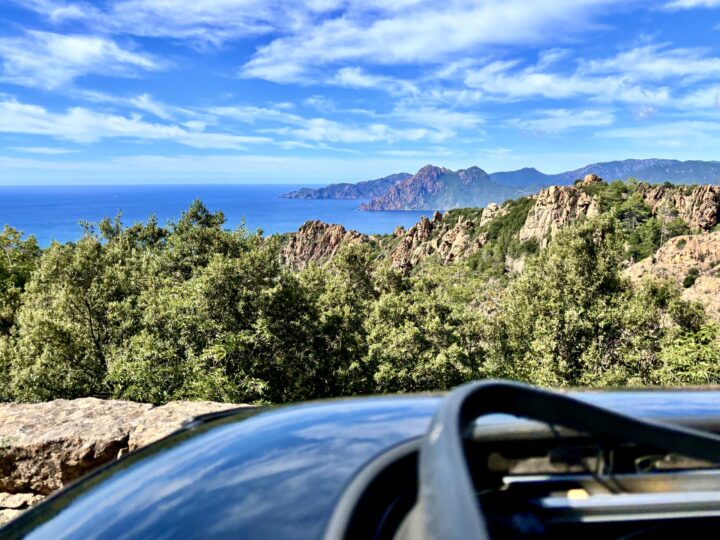
This was always my father’s philosophy when we drove to the South of France or Spain when I was younger: we are not in a hurry, and spontaneous detours are part of the journey. I still like that approach. Stop for coffee. Have lunch somewhere instead of eating next to the car. Stay overnight if the drive becomes too long. You are already traveling, so there is no reason the holiday should only start when you reach Nice. This is especially useful if you have several weeks. A road trip becomes much more enjoyable when every day is not about covering the maximum number of kilometers.
6. Consider driving via Luxembourg
If you are driving south from the Netherlands, Belgium or another part of Northern Europe, Luxembourg can be worth considering as part of your route, especially because fuel is often cheaper there than in France, Belgium or the Netherlands. I usually stopped there to refuel before continuing south, which saved me some money on fuel. Whether it is worth it for you depends on your route, traffic and final destination, so it is always good to compare options before leaving.
7. Mobile data and eSIM for France and Corsica
Good mobile data is almost essential on a road trip. I use my phone constantly for Google Maps, checking ferry information, finding parking, contacting hotels and making last-minute bookings. Travelers with an EU or EEA mobile subscription can normally use their calls, messages and data in France under EU roaming rules, although fair-use limits can apply. Check your own provider before leaving if you expect to use a lot of data. If you are traveling from outside the EU, or simply want additional travel data, an eSIM is another convenient option. Airalo lets you install an eSIM before your trip without replacing your physical SIM card.
Need an eSIM for your trip? Check the Airalo eSIM options here. New Airalo users can save 15% on their first eSIM with code NEWTOAIRALO15.
8. Book your Corsica ferry in advance
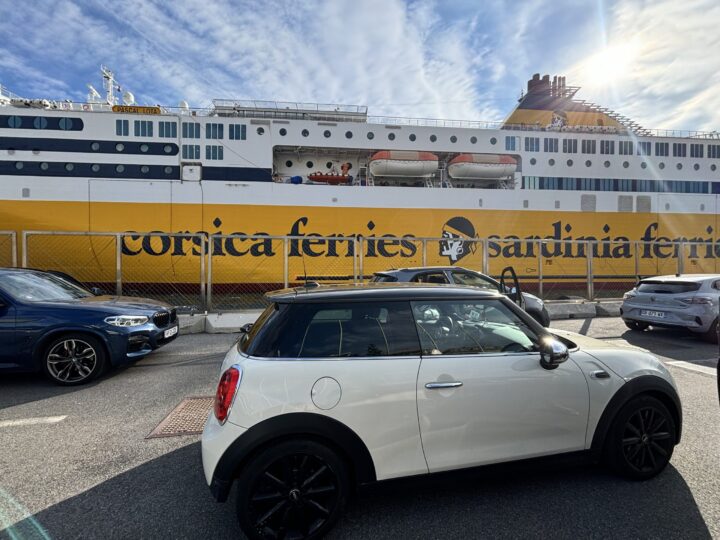
If Corsica is part of your road trip, you will need to take your car across by ferry. During summer and other busy periods, I would book this well in advance. The best departure times and cabins on overnight crossings can disappear first. Your departure port will depend on your route and ferry schedule. Several ports in mainland France and Italy have connections to Corsica, so compare the crossing as part of your complete itinerary rather than looking only at the cheapest ticket. I have written a separate guide with more details about taking the ferry to Corsica with your car.
You can compare Corsica ferry routes and prices with Direct Ferries.
9. Do not underestimate the weather
The Côte d’Azur is famous for sunshine, but southern France is not guaranteed to be dry every day. The mountains are close to the coast and weather conditions can change surprisingly quickly. I experienced extremely heavy rain during my own trip, with roads starting to flood. Since then, I always keep a light rain jacket within reach and check the forecast when I know I have a long driving day ahead. Layers are useful as well, particularly when your route takes you away from the coast or into higher areas.
10. Take your time when driving in Corsica
Once you arrive in Corsica, the style of driving changes. Distances on the map can look short, but mountain roads, bends and villages mean that journeys can take longer than expected. Do not plan every day based purely on the driving time Google Maps gives you. Leave room for photo stops, viewpoints and slower sections of road. That is part of what makes a Corsica road trip so beautiful. Use your navigation, but keep watching the road signs and use common sense. A navigation app may suggest a smaller road simply because it looks quicker on the map. Quicker and more enjoyable are not always the same thing in Corsica.
Is a French Riviera and Corsica road trip worth it?
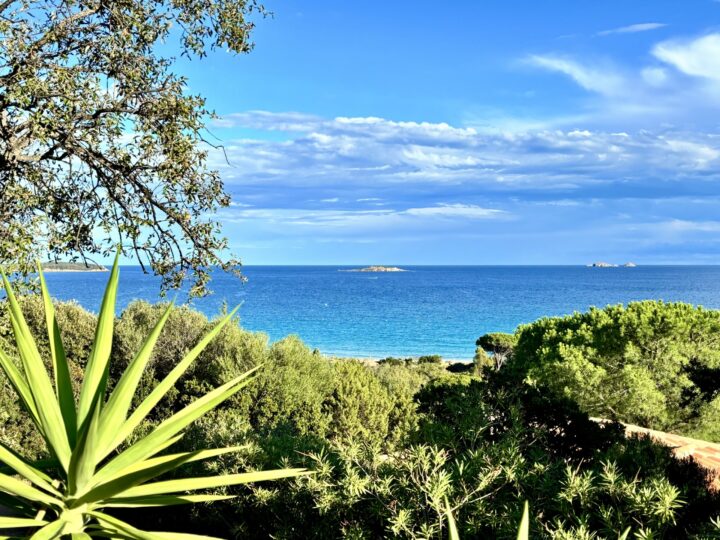
For me, absolutely. Driving gave me the freedom to combine cities, beaches, villages and Corsica without constantly thinking about train schedules or transfers. The journey south was part of the experience rather than something I simply had to get through. Once in Corsica, having my own car gave me even more freedom to explore the island at my own pace. If you are planning a similar trip, start with my complete Côte d’Azur and Corsica itinerary. You can also continue with my blogs about Nice, my Cannes, Grasse and Antibes road trip, or my road trip through Northwest Corsica.
Knowing a few basic French phrases is useful too. You do not need perfect French, but a simple bonjour, merci and au revoir goes a long way.