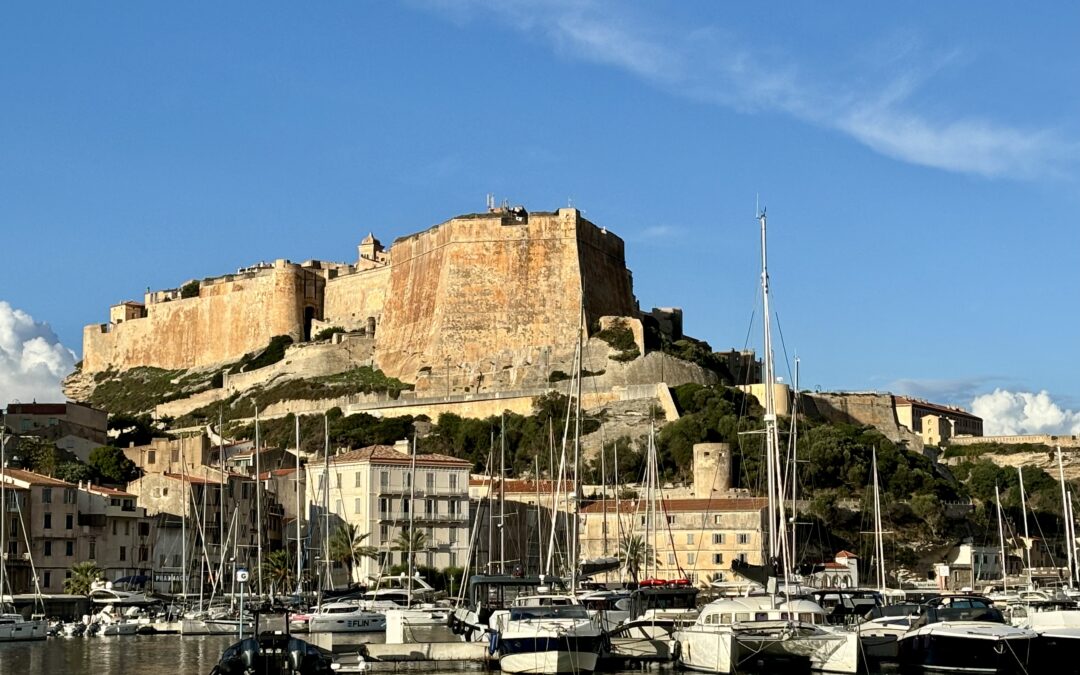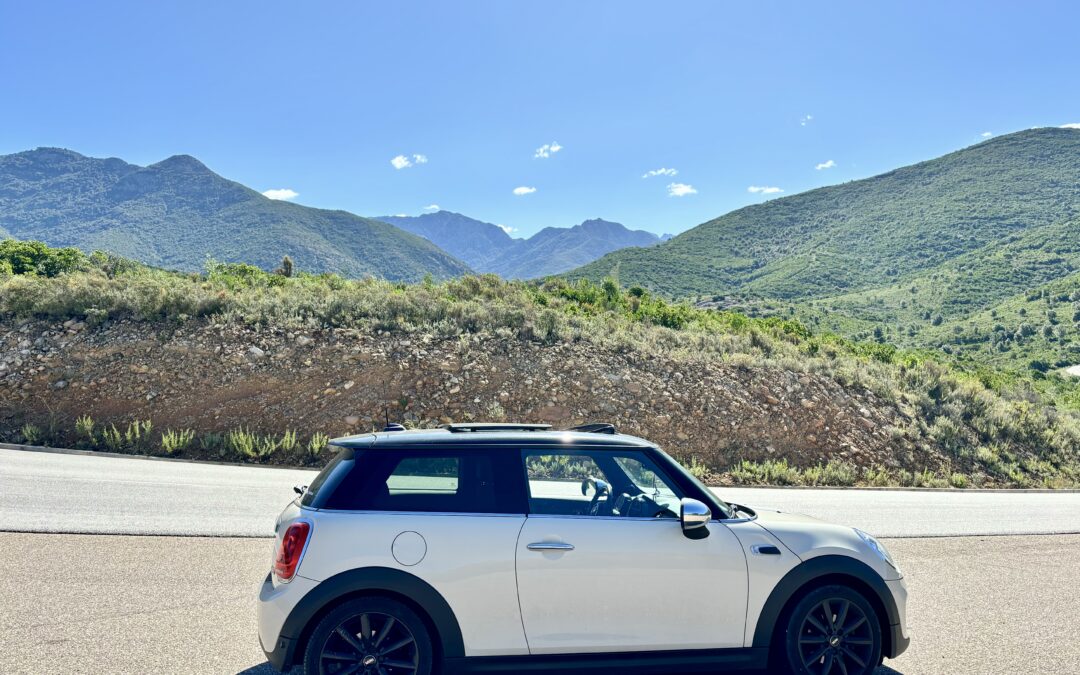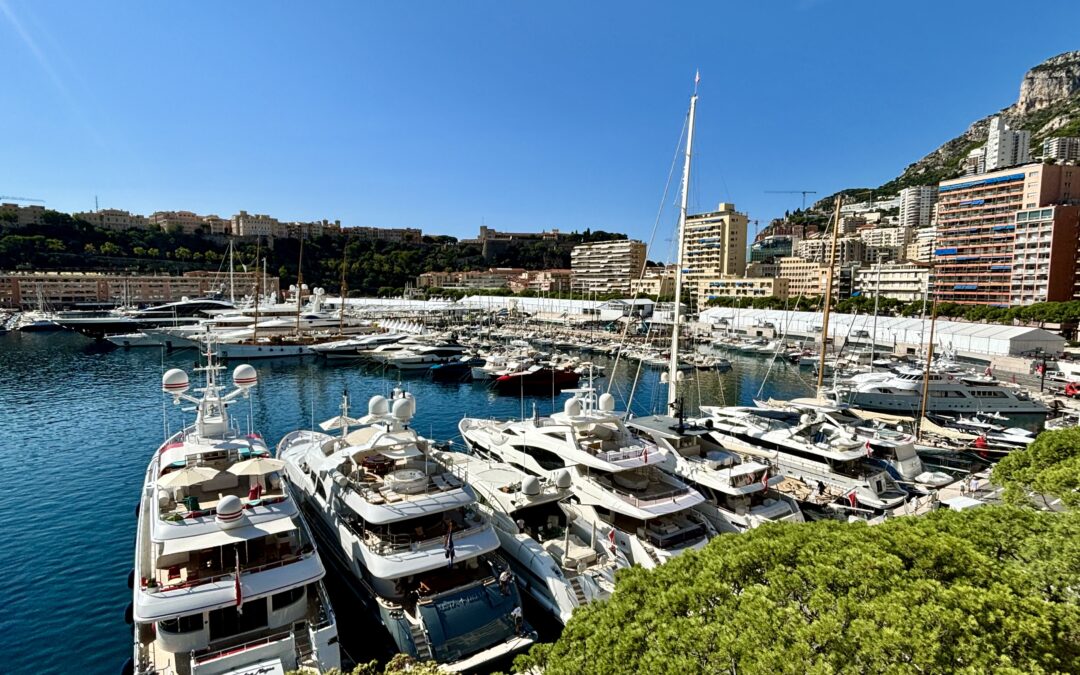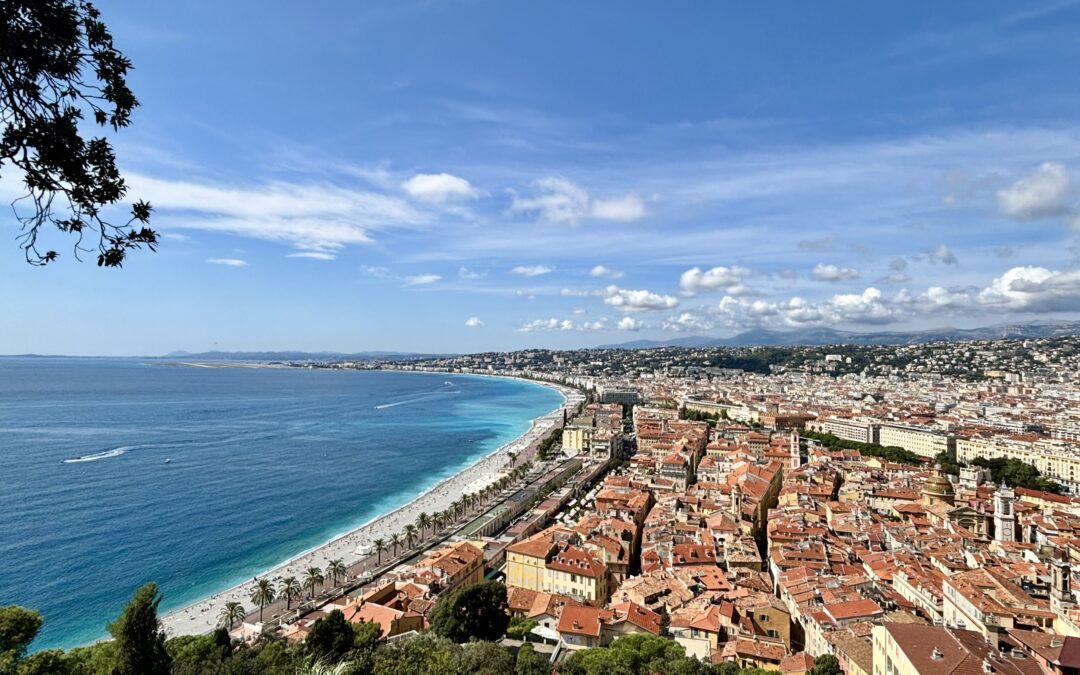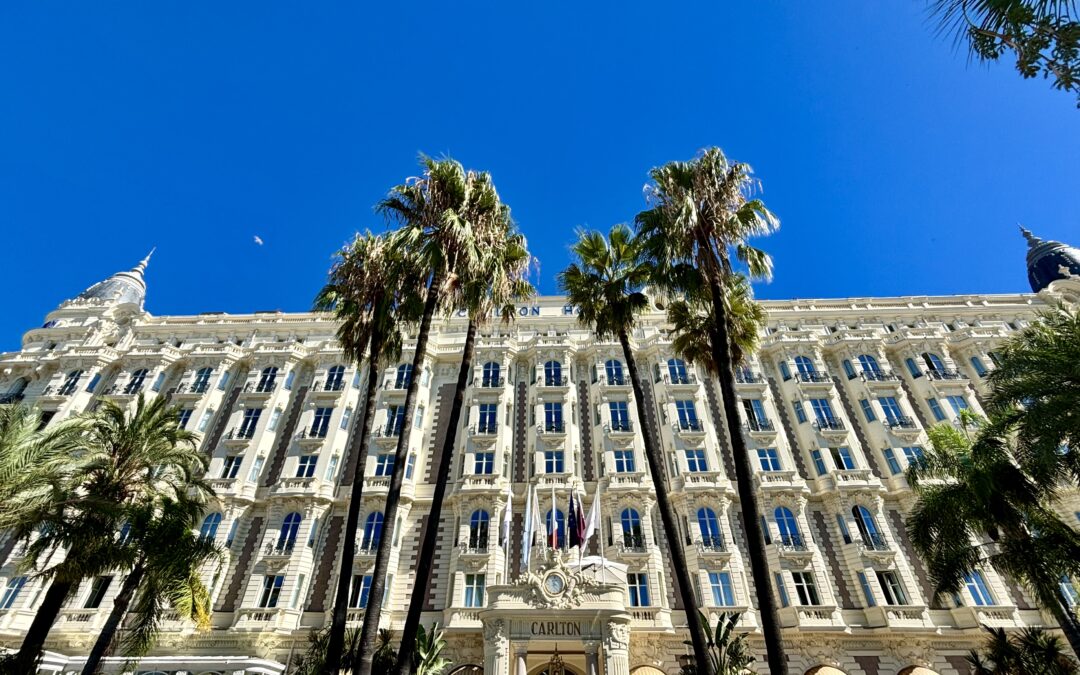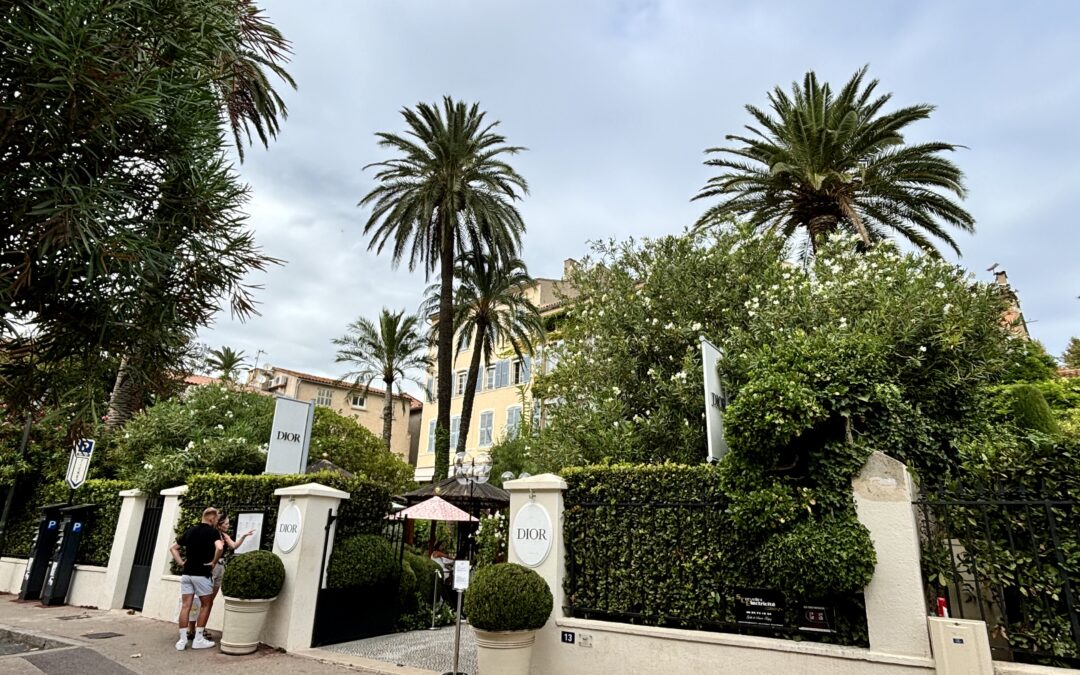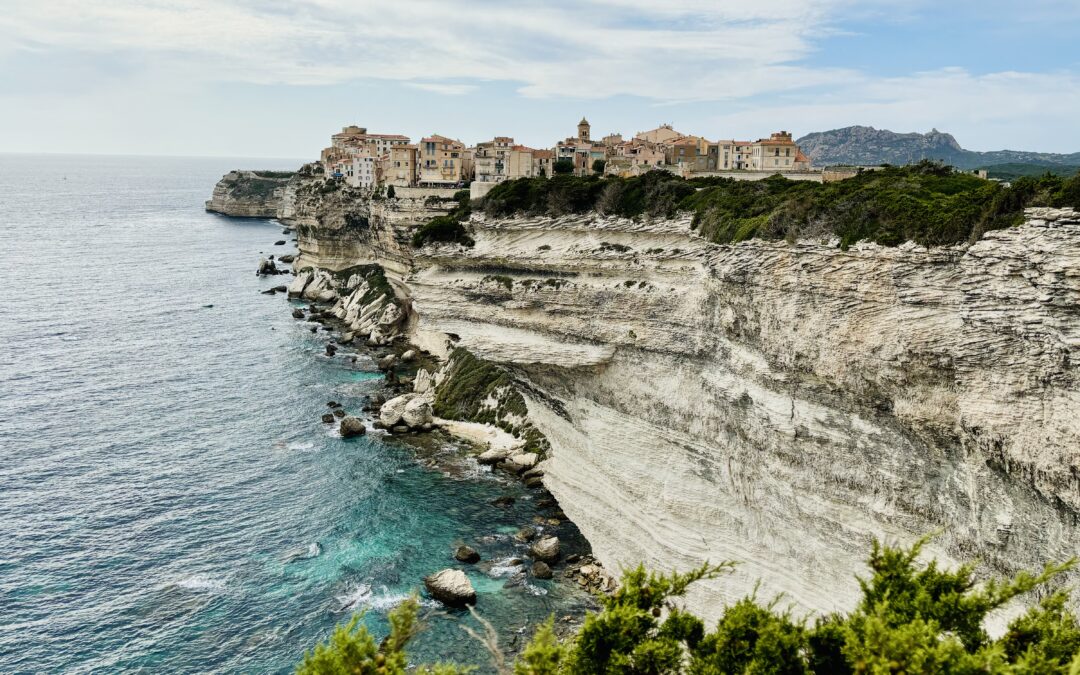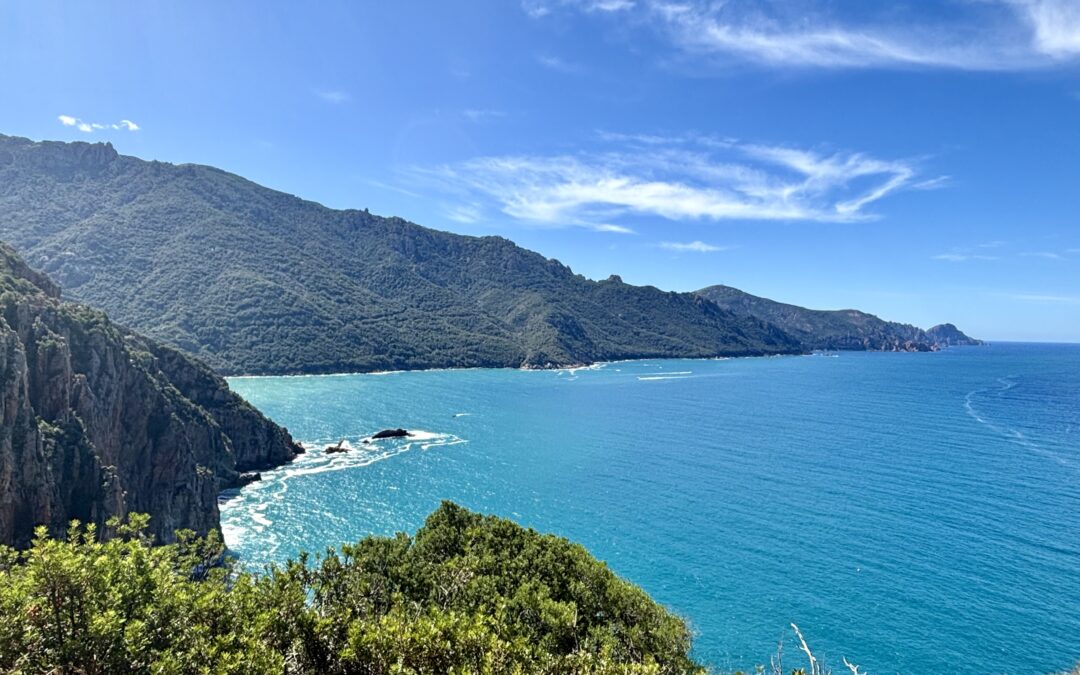
Corsica works very well as a road trip destination. Having a car gives you the freedom to combine beaches, mountain roads, small towns and different parts of the coast without planning everything around public transport. I took my own car from the Netherlands, drove through France and continued to Corsica by ferry. For me, that was part of the adventure. I like driving, I know my own car and I loved having the freedom to take as much luggage as I wanted without thinking about airline restrictions.
If you are planning a similar trip, these are the practical Corsica road trip tips I found most useful, from taking your car on the ferry to driving around the island, costs, weather and a few things I would definitely do again.
1. Getting to Corsica by ferry or plane
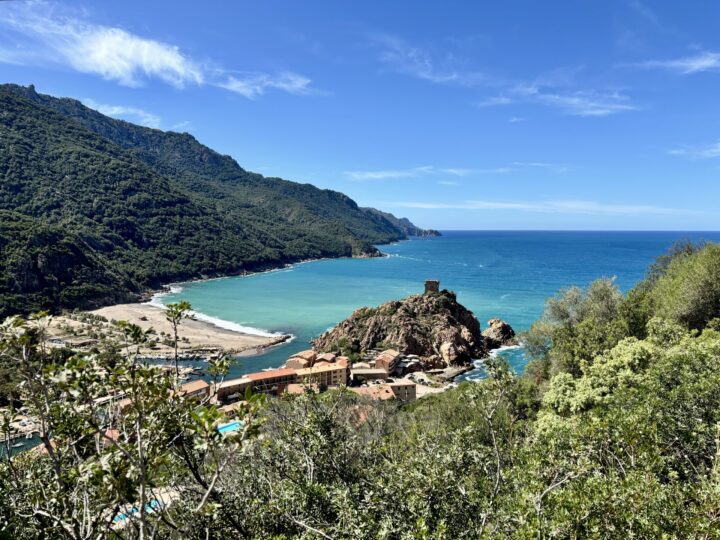
You can reach Corsica by plane and rent a car on arrival, or travel to one of the ferry ports in France or Italy and take your own car across. For me, taking my own car was the easy choice. I was already traveling through the South of France and continued from Nice to Bastia by ferry. On the way back, I sailed from Bastia to Toulon, which also saved me from driving back towards Nice. Flying can obviously save time, especially if you are traveling from outside Europe or only have a short holiday. If you fly to Corsica, I would still rent a car. You can compare rental cars with Discover Cars. Having your own transport makes exploring the island much easier. If you want to know more about the drive through France, toll roads, Crit’Air and preparing your car, read my separate French Riviera and Corsica road trip tips.
Corsica has four airports: Ajaccio, Bastia, Calvi and Figari. Which one works best depends on where you want to start your road trip.You can compare flights to Corsica with Expedia.
2. My experience taking the ferry to Corsica with a car
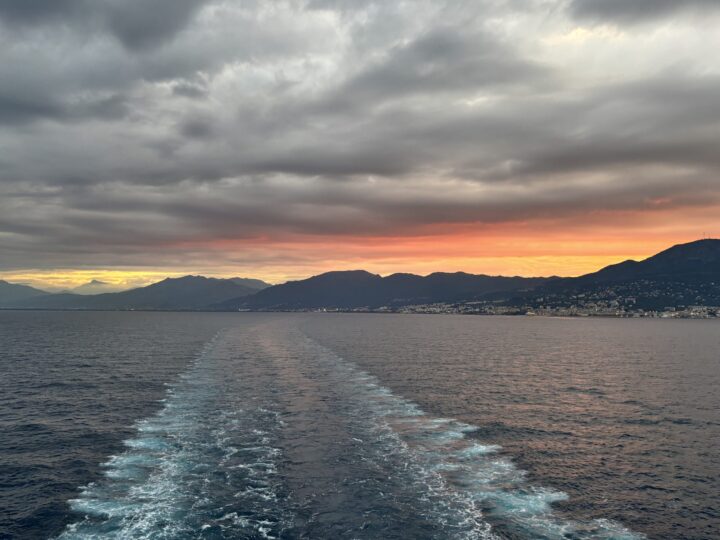
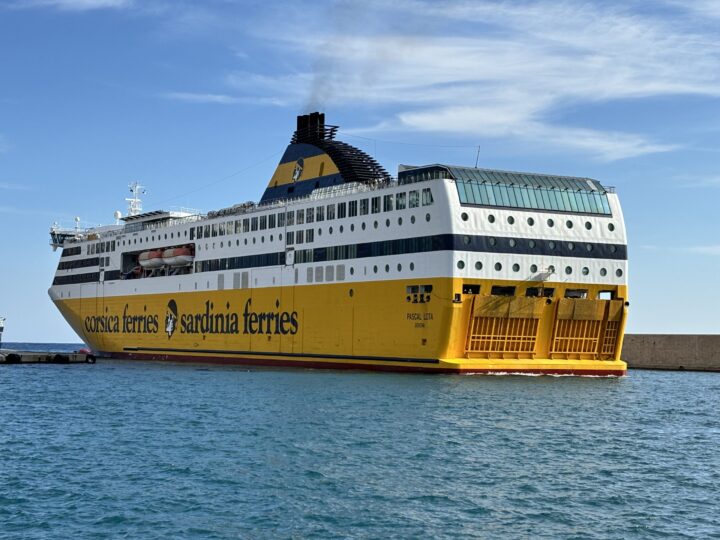
I really enjoyed the ferry. Taking an overnight crossing felt almost like a small cruise and made the journey to Corsica part of the holiday instead of simply a transfer. A night ferry also means you can sleep while crossing and arrive ready to continue your trip the next morning. I booked a cabin and found it much better than expected. Compared with some of the hotel prices I later paid in Corsica, the cabin did not even feel particularly expensive. You can compare ferry routes and prices with Direct Ferries. During summer, I would book early if you want a particular departure time or a private cabin.
Take a small overnight bag out of the car before you go to your cabin. Leave your large suitcase behind. The space between the parked cars can be extremely narrow and dragging all your luggage through the ferry is not much fun.
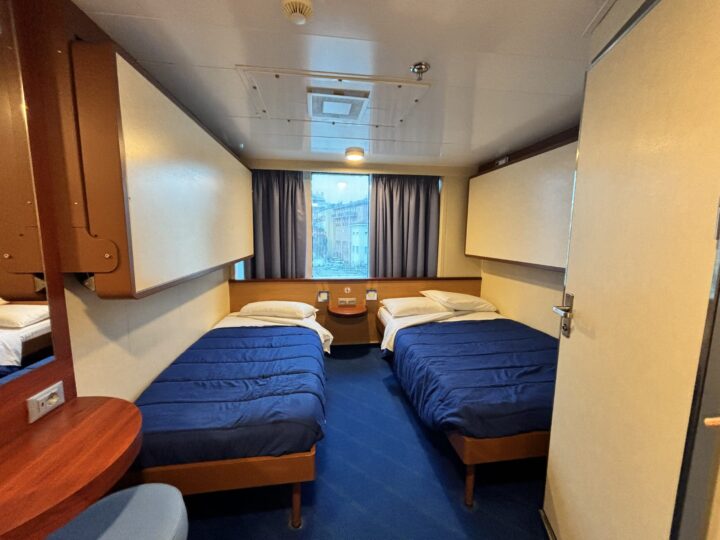
There were a few other little things that made my ferry journey easier:
Take a photo of your cabin number and another photo showing exactly where you parked the car. Ferries are big and all those decks start looking remarkably similar when you are trying to find your car again.
I also stuck the cabin-number sticker they gave me onto my phone case. Very simple, but very useful.
And bring earplugs!! My cabin was comfortable, but I could hear the engines. I was very happy I had mine with me.
3. Driving in Corsica takes longer than you think
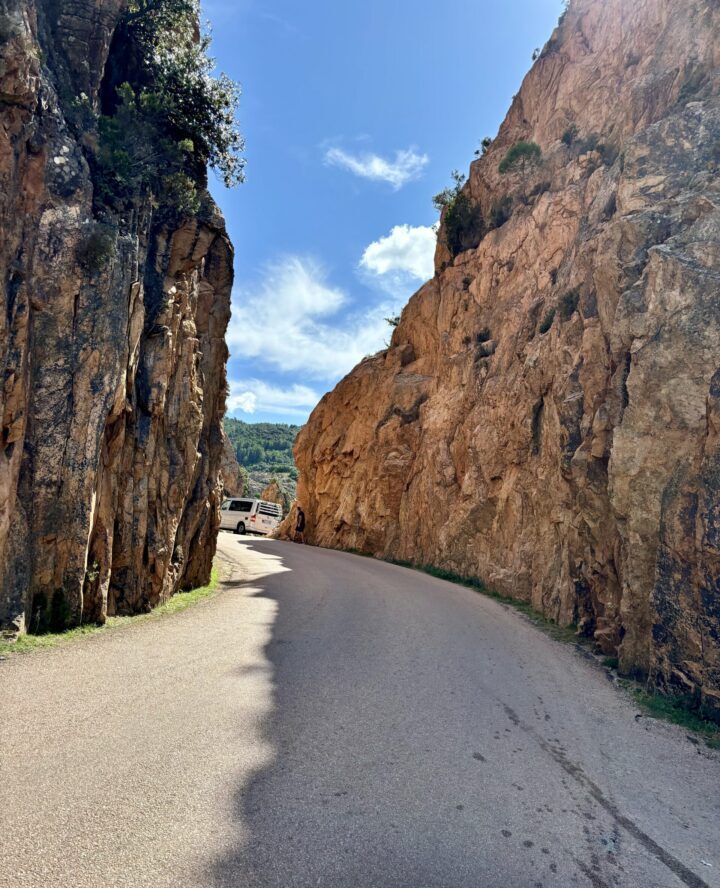
This was probably the biggest thing I learned once I started driving around Corsica. Distances on the map can look quite short, but the roads are often winding and you simply do not travel very fast. The main roads were generally good and the signs clear, but many roads have only one lane in each direction. If you get stuck behind a truck or slower vehicle, overtaking is not always possible. My average speed was often only around 40–50 km per hour.
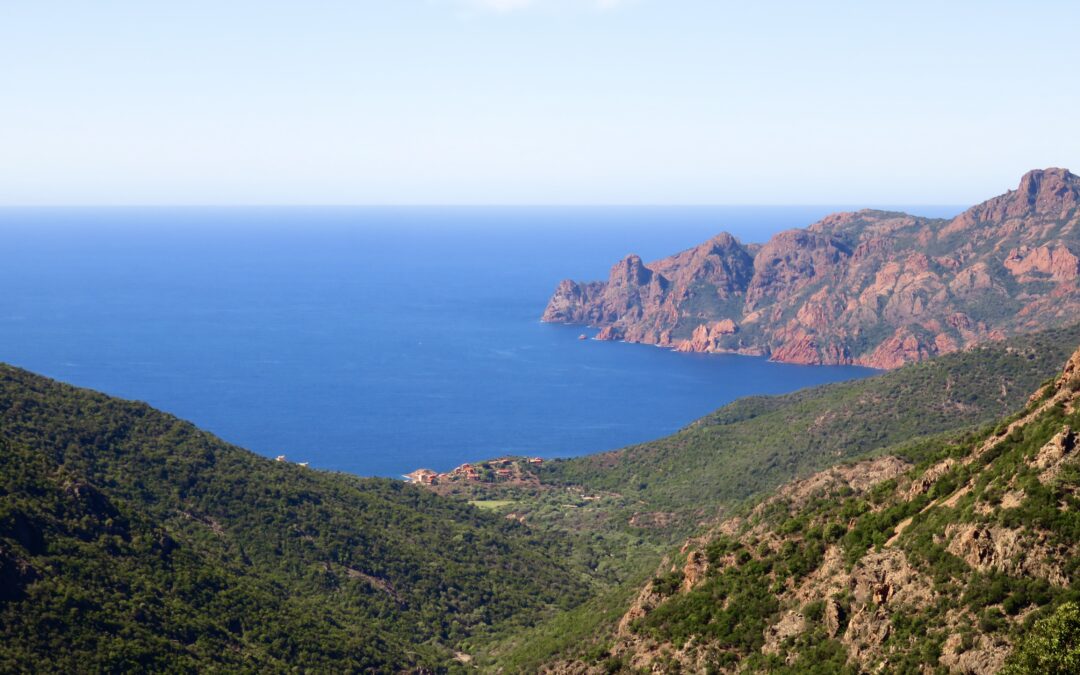
That sounds frustrating, but strangely enough it wasn’t. The scenery is so beautiful that driving became part of the experience. Mountains, coastline and sea views appear constantly and I wanted to stop for photos all the time anyway. Some roads are much smaller than they look on your navigation app. Keep an eye on signs as well as Google Maps and do not automatically assume that the shortest route is the best route.
Do not plan too many kilometers in one day. Give yourself time for the road itself, viewpoints and spontaneous stops.
4. Corsica is not a cheap destination
Corsica surprised me with its prices. Hotels in particular were more expensive than I had expected. I often booked accommodation at the last minute because I did not always know exactly where I would end up that evening. That freedom was great, but it did not help my budget. For fairly normal hotel rooms I regularly paid around €120–€170 per night. One ibis Styles outside the center of Porto-Vecchio cost me around €165 including breakfast.
Even a peach at a market in Ajaccio cost me €1. I remember thinking: they grow peaches here! Of course, one peach is not exactly scientific evidence that an entire island is expensive, but it summed up my feeling rather well. With Corsica being an island, I can imagine transport costs play a part in some of the higher prices too. If you are traveling during the busy summer months, booking accommodation earlier will usually give you more choice. Camping is another option if you want to keep costs lower.
If you want to get a better idea of the island before planning your route, you can also read my blog about why I think Corsica is worth visiting.
5. What is the weather like in Corsica?
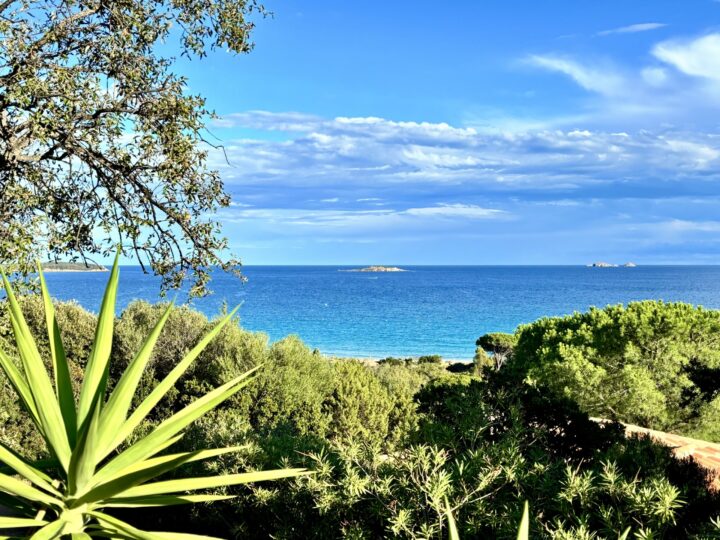
Corsica has a Mediterranean climate, with warm and generally dry summers. I traveled in September and experienced a mix of sunshine, clouds and some rain. What surprised me was how much conditions could differ between the mountains and the coast. It could be cloudy and cooler at higher altitude while the weather closer to the sea was much clearer. That makes layers useful even when you are traveling outside the colder months.
Bring a sweater or light jacket and something waterproof, especially when you plan to drive through the mountains.
6. Mobile data and eSIM in Corsica
I used my phone constantly while driving around Corsica. Google Maps, hotel bookings, finding restaurants and checking routes all become much easier when you have reliable data. If you have an EU or EEA mobile plan, you can normally use your phone in France under EU roaming rules. Always check the fair-use limits of your own provider before traveling. If you are coming from outside Europe or want additional data, an eSIM can be useful. Airalo lets you install an eSIM before departure without changing your physical SIM card.
Need an eSIM for Corsica? Check the Airalo eSIM options here. New users can currently save 15% on their first eSIM with code NEWTOAIRALO15.
7. Money and paying in Corsica
Corsica is part of France, so the currency is the euro. I paid by card almost everywhere and used very little cash. My Visa and Mastercard worked without problems in most places. Still, take some cash with you. Smaller markets, cafés or restaurants do not always accept cards. I once ended up making a bank transfer because I did not have enough cash with me. That worked, but carrying a few euros would obviously have been easier.
Although Corsica is very card-friendly, I would never travel around the island completely cashless.
8. A little French helps
French is the main language used in Corsica and Corsican is also spoken on the island. I do not speak much French. In tourist areas I usually managed perfectly well with English, but in smaller places and markets that was not always the case. You do not need to become fluent before your holiday. A few basic words make things much easier and are appreciated. Bonjour, merci, s’il vous plaît and au revoir will already get you quite far.
Would I road trip Corsica again?
Yes. What I liked most was the freedom. Corsica is not an island where I would want to rush from highlight to highlight. Some of my favorite moments came from simply driving, stopping somewhere because the view looked good and changing the plan along the way. The ferry was part of the adventure, and having a car gave me the freedom to go wherever I wanted. Driving in Corsica takes time, but with all those views along the way, I didn’t really mind. If you are planning your own trip, allow more driving time than you think you need, keep some flexibility in your itinerary and do not try to see the whole island in a few days.
Taking your own car to Corsica? Compare the ferry routes first, book your cabin early in busy periods and keep that small overnight bag somewhere you can reach before you drive onto the ferry.